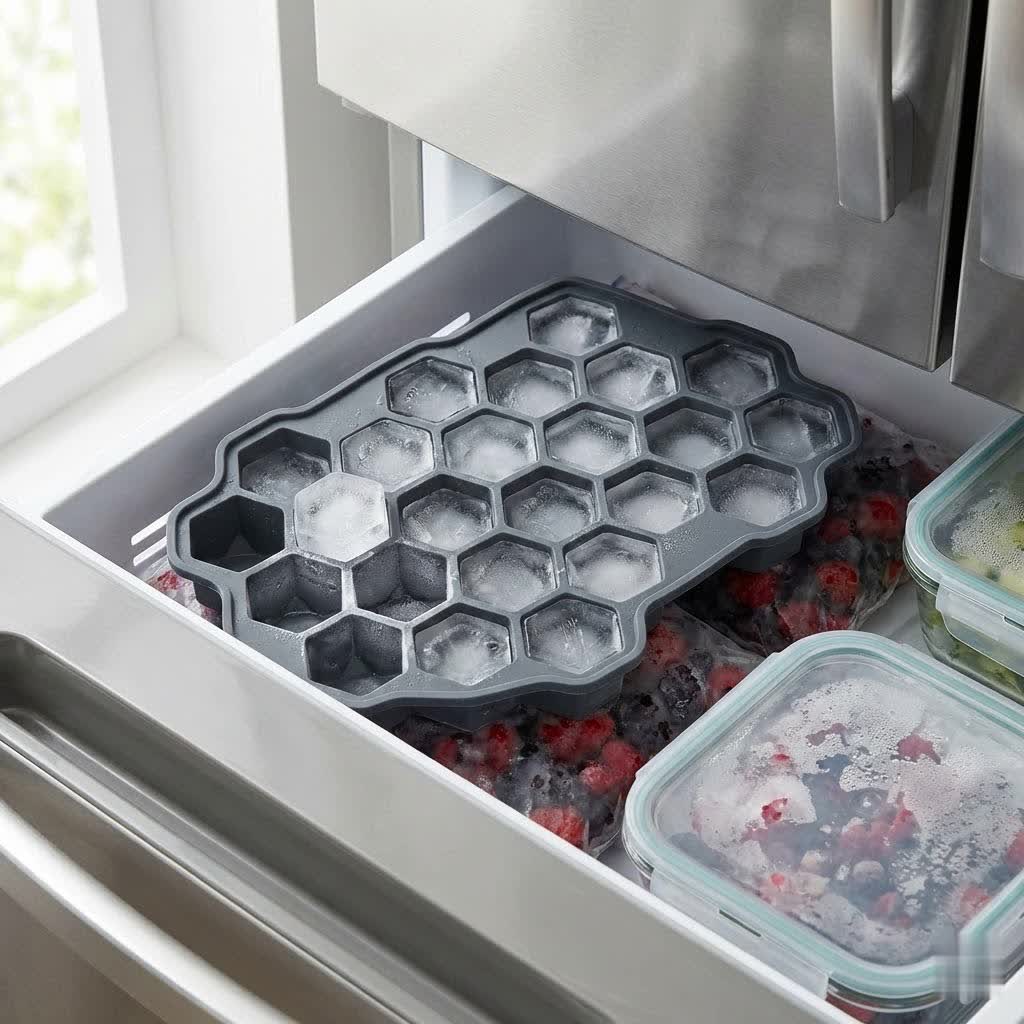
Have you ever wondered why the ice in your favorite cocktail bar seems to last significantly longer than the cloudy cubes from your home freezer? It’s not just an illusion; the difference between crystal-clear ice and its opaque counterpart is rooted deeply in physics and chemistry. Understanding why clear ice melts slower can transform your beverage experience, preserving flavor and chill for extended enjoyment. This article will delve into the fascinating science behind this phenomenon, offering insights for both casual enthusiasts and seasoned mixologists in 2026.
The Tale of Two Ices: Clear vs. Cloudy
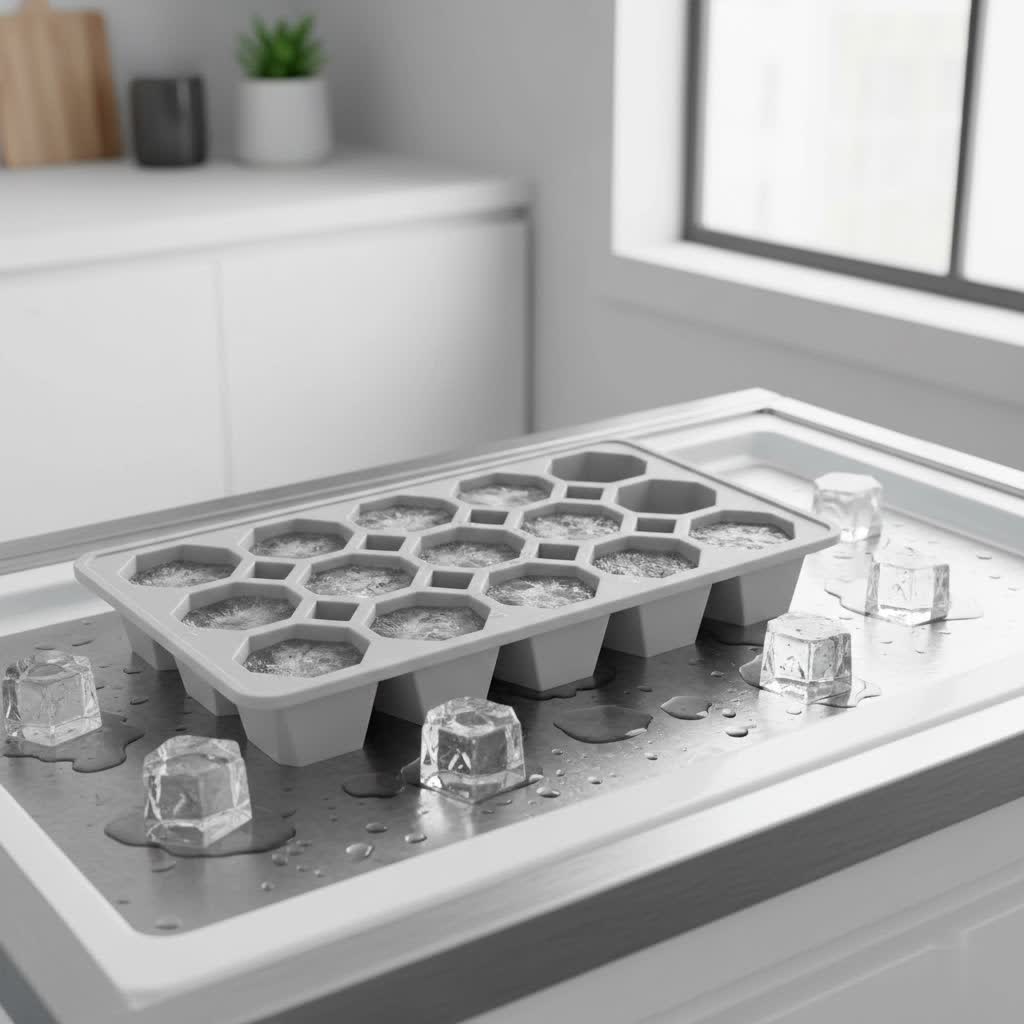
At first glance, ice is just frozen water, but a closer look reveals two distinct types: clear and cloudy. Clear ice is exactly as its name suggests – transparent, allowing light to pass through it without obstruction. It’s dense, pure, and often found in high-end establishments. Cloudy ice, in contrast, is opaque, featuring a milky, white core. This common form of ice, often produced by standard home freezers, is riddled with imperfections invisible to the naked eye. The visual difference isn’t merely aesthetic; it’s a window into their fundamental structures and, crucially, their melting rates.
The Science Behind Slower Melting: Density and Purity
The primary reason clear ice melts slower boils down to its superior density and purity. When water freezes, it usually traps dissolved gases and mineral impurities within its structure. As these elements are forced together during the rapid freezing process in typical ice trays, they form countless microscopic air bubbles and pockets, which scatter light and give cloudy ice its characteristic murky appearance.
Clear ice, however, is formed through a process that minimizes or eliminates these trapped elements. Without air bubbles and impurities, the water molecules can arrange themselves into a tightly packed, uniform crystalline lattice. This results in ice that is significantly denser than cloudy ice. A denser structure means there’s simply more frozen water (mass) per unit of volume, requiring more energy (heat) to transition back into a liquid state. This increased density allows clear ice to maintain its frigid temperature for a much longer duration.
Heat Transfer: The Core Difference
The difference in melting speed is largely governed by how heat transfers to the ice. Cloudy ice, with its multitude of trapped air bubbles and structural imperfections, presents a less uniform barrier to heat. While air itself is an insulator, the presence of these tiny pockets within the ice creates a fragmented structure that can actually facilitate heat penetration. The internal cracks and surfaces created by these bubbles provide more opportunities for heat from the surrounding liquid or air to initiate the melting process from within, causing cloudy ice to break down and dilute your drink faster.
Conversely, the solid, homogeneous structure of clear ice offers fewer pathways for heat to penetrate. Its smooth, unbroken surface and dense internal composition mean that heat transfer primarily occurs from the exterior of the cube. This consolidated form allows clear ice to maintain its integrity longer, enduring the onslaught of warmer liquids and ambient temperatures more effectively. The absence of internal voids ensures a more consistent and predictable melting pattern, extending the life of your chill.
The Impact on Your Drink: Beyond Just Appearance
The benefits of clear ice extend far beyond its visual appeal. For anyone who appreciates a well-crafted beverage, the practical advantages are substantial.
Less Dilution: The most significant benefit of clear ice’s slower melting rate is the reduced dilution of your drink. Whether it’s a meticulously mixed cocktail, a fine whiskey, or even a refreshing iced coffee, clear ice ensures that your beverage maintains its intended strength and flavor profile for longer. You can savor your drink at a consistently cold temperature without it becoming watered down prematurely.
Enhanced Flavor: Cloudy ice can sometimes impart an “off” taste to drinks. This is often due to the impurities and trapped gases, as well as any odors absorbed from the freezer environment, which are then released as the ice melts. Clear ice, being purer, offers a neutral chilling experience, allowing the true flavors of your drink to shine through unobstructed.
Longer Lasting Chill: Because clear ice takes longer to melt, it provides a sustained cooling effect. This means your drink stays colder, for longer, offering a more enjoyable and prolonged experience, especially in warmer environments or during extended social gatherings.
“Clear ice is not merely a fancy aesthetic; it’s a functional upgrade that significantly improves the quality of your drink by preserving its integrity and flavor.” – An Admin at ReviewYo.com, a technician with over 10 years of experience in home appliances, specializing in ice-related products.
Achieving Crystal Clarity: How to Make Clear Ice
The secret to crafting clear ice lies in a technique known as directional freezing. This method controls how water freezes, allowing dissolved gases and impurities to be pushed out of the forming ice block rather than trapped within it.
Typically, home freezers freeze water from all directions simultaneously, trapping impurities in the center. Directional freezing forces the water to freeze from only one direction, usually from the top down.
Here are common methods for achieving clear ice:
- The Cooler Method: Place a small, insulated cooler (without its lid) filled with water into your freezer. The insulation on the sides and bottom slows down freezing from those directions, forcing the water to freeze from the exposed top surface downwards. This pushes impurities to the bottom layer, which you can then discard. Once mostly frozen, you can remove the clear ice block and cut it into desired shapes.
- Specialized Molds: Several commercially available clear ice makers and molds use the principle of directional freezing on a smaller scale. These often consist of an insulated container that holds a silicone mold, ensuring that freezing occurs from a single direction.
- Boiled or Filtered Water (Supplementary): While not sufficient on its own, using water that has been boiled (to remove dissolved gases) or filtered (to remove mineral impurities) can contribute to a clearer end product when combined with directional freezing.
Experimenting with these methods allows you to create restaurant-quality clear ice right in your own kitchen, elevating your home bar experience.
Conclusion
The enduring appeal and superior performance of clear ice are no mystery; they are a direct consequence of its scientific composition. By eliminating trapped air and impurities, clear ice achieves a higher density and a uniform structure that significantly slows down its melting rate. This translates into less diluted, better-tasting, and longer-lasting cold beverages, making it a clear winner for anyone seeking to enhance their drinking experience. As we move further into 2026, the pursuit of perfection in everyday consumables continues, and mastering the art of clear ice remains a testament to appreciating the finer details. Why not elevate your next drink with the pristine chill of clear ice? You might just find it’s the simplest upgrade with the biggest impact.
Frequently Asked Questions
Does boiling water before freezing guarantee clear ice?
|
Our Picks for the Best Ice tray in 2026
As an Amazon Associate I earn from qualifying purchases.
|
||
| Num | Product | Action |
|---|---|---|
| 1 | WIBIMEN Mini Ice Cube Trays, 0.55” Tiny Pebble Ice for Iced Coffee & Cocktails, Fast Chill, Easy Twist Release, Stackable with Lid & Storage Bin (2 Pack, Blue) |

|
| 2 | WIBIMEN Ice Cube Tray with Lid and Bin - Round Ice Trays for Freezer with Lid - Ice Cube Trays for Freezer with Ice Container (1"-2PACK Blue) |
|
| 3 | Ice Cube Trays, Silicone Easy-Release and Flexible 14-Ice Trays with Spill-Resistant Removable Lid, BPA Free, Durable and Dishwasher Safe, 2 Pack |
|
| 4 | NFK Ice Cube Tray with Lid & Bin - 4 Pack 48 Cubes Stackable Silicone Trays for Freezer with Storage Container, Leak-Proof Lids, BPA-Free, Easy Release for Kitchen, RV, Party, Cocktail & Coffee |
|
| 5 | ChefAide Ice Cube Tray with Lid, 4 Packs 56 Cubes Durable Stackable Ice Cube Trays for Freezer with Removable Lids, Easy-Release Plastic & Silicone Ice Tray for Cocktail, Coffee |
|
| 6 | Optish 3 Pack Ice Trays for Freezer, 99 PCS Ice Cube Tray with Lid and Bin, Round Ice Cube Mold, Circle Ice Maker for Chilling Drinks (0.8 inch, Blue) |
|
| 7 | ChefAide Ice Cube Tray with Lid, 2 Packs 28 Cubes Durable Stackable Ice Cube Trays for Freezer with Removable Lids, Easy-Release Plastic & Silicone Ice Tray for Cocktail, Coffee |
|
| 8 | Ice Cube Tray 5 Pack, Stackable Silicone Ice Cube Trays with Lid– Easy Release Reusable Ice Tray, BPA-Free Rectangular Ice Cube Mold Set for Cocktails, Coffee, Whiskey & Drinks- Black |
|
| 9 | OXO Good Grips Ice Cube Tray - 2 Pack White |
|
| 10 | DOQAUS Ice Cube Tray with Lid and Bin - 4 Pack Silicone Ice Cube Trays for Freezer, Stackable Ice Bucket Kits with Storage Container & Scoop for Kitchen, RV, Cocktail, Coffee |
|
While boiling water helps by removing dissolved gases, which are a major cause of cloudiness, it doesn’t guarantee perfectly clear ice on its own. The most effective method is directional freezing, which physically pushes remaining impurities out of the ice as it forms. Boiling is a helpful supplementary step, but not a standalone solution.
Can clear ice truly improve the taste of my drink?
Yes, absolutely. Cloudy ice can impart subtle “off” flavors due to the minerals and absorbed freezer odors trapped within its structure. Clear ice, being purer and free of these impurities, melts without altering the flavor profile of your beverage, allowing the drink’s true taste to shine through.
Is making clear ice at home worth the extra effort?
For enthusiasts who prioritize the quality and enjoyment of their beverages, the effort of making clear ice is often considered well worth it. The benefits of slower dilution, purer taste, and a more aesthetically pleasing presentation significantly elevate the drinking experience, making it a valuable addition to any home bar.
Does the shape of the ice also affect how quickly it melts?
Yes, the shape of an ice cube significantly affects its melting rate due to the surface-area-to-volume ratio. Larger, denser pieces of ice, especially spheres or large cubes, have a smaller surface area relative to their volume compared to smaller or irregularly shaped pieces. This reduced exposed surface area minimizes contact with the warmer liquid, leading to a slower melt and less dilution.