There’s nothing quite like a refreshing iced coffee on a warm day, yet many coffee lovers face a common dilemma: the dreaded watered-down drink. As traditional ice cubes melt, they dilute your carefully crafted brew, leaving you with a weak, flavorless concoction. But what if there was a simple, genius hack to keep your iced coffee perfectly chilled and deliciously creamy from the first sip to the last? Enter milk cubes – the ultimate secret weapon for an undiluted, flavorful iced coffee experience. This guide will walk you through everything you need to know about making and using milk cubes, transforming your morning ritual into a consistently delightful treat.
The Problem with Traditional Ice and the Milk Cube Solution
For generations, ice has been the go-to for chilling beverages. While effective, when it comes to iced coffee, plain water ice cubes are the enemy of flavor. As the ice melts, it introduces water into your drink, slowly but surely diluting the rich coffee and creamy milk. This leads to a less satisfying experience, especially as you reach the bottom of your cup.
Milk cubes offer an elegant solution to this age-old problem. By freezing milk into cubes, you replace diluting water with flavor-enhancing milk. As these cubes melt, they don’t water down your coffee; instead, they gradually release more creamy milk, intensifying the flavor and maintaining a consistent richness throughout your drink. This innovative approach ensures that your iced coffee stays strong, creamy, and delicious, delivering a superior experience that regular ice simply cannot match. It’s a simple shift that makes a world of difference, keeping your coffee delightful even as the cubes disappear.
Choosing Your Milk: Dairy vs. Non-Dairy Options for Freezing
The type of milk you choose for your milk cubes can significantly influence the taste and texture of your iced coffee. Both dairy and various non-dairy alternatives work wonderfully, each offering unique characteristics when frozen and slowly melted into your brew.
Dairy Milk Options
|
Our Picks for the Best Ice tray in 2026
As an Amazon Associate I earn from qualifying purchases.
|
||
| Num | Product | Action |
|---|---|---|
| 1 | OXO Good Grips Ice Cube Tray - 2 Pack White |

|
| 2 | WIBIMEN Mini Ice Cube Trays, 0.55” Tiny Pebble Ice for Iced Coffee & Cocktails, Fast Chill, Easy Twist Release, Stackable with Lid & Storage Bin (2 Pack, Blue) |
|
| 3 | WIBIMEN Ice Cube Tray with Lid and Bin - Round Ice Trays for Freezer with Lid - Ice Cube Trays for Freezer with Ice Container (1"-2PACK Blue) |
|
| 4 | Ice Cube Tray 5 Pack, Stackable Silicone Ice Cube Trays with Lid– Easy Release Reusable Ice Tray, BPA-Free Rectangular Ice Cube Mold Set for Cocktails, Coffee, Whiskey & Drinks- Black |
|
| 5 | NFK Ice Cube Tray with Lid & Bin - 4 Pack 48 Cubes Stackable Silicone Trays for Freezer with Storage Container, Leak-Proof Lids, BPA-Free, Easy Release for Kitchen, RV, Party, Cocktail & Coffee |
|
| 6 | Ice Cube Trays, Silicone Easy-Release and Flexible 14-Ice Trays with Spill-Resistant Removable Lid, BPA Free, Durable and Dishwasher Safe, 2 Pack |
|
| 7 | Optish 3 Pack Ice Trays for Freezer, 99 PCS Ice Cube Tray with Lid and Bin, Round Ice Cube Mold, Circle Ice Maker for Chilling Drinks (0.8 inch, Blue) |
|
| 8 | ChefAide Ice Cube Tray with Lid, 2 Packs 28 Cubes Durable Stackable Ice Cube Trays for Freezer with Removable Lids, Easy-Release Plastic & Silicone Ice Tray for Cocktail, Coffee |
|
| 9 | ChefAide Ice Cube Tray with Lid, 4 Packs 56 Cubes Durable Stackable Ice Cube Trays for Freezer with Removable Lids, Easy-Release Plastic & Silicone Ice Tray for Cocktail, Coffee |
|
| 10 | DOQAUS Ice Cube Tray with Lid and Bin - 4 Pack Silicone Ice Cube Trays for Freezer, Stackable Ice Bucket Kits with Storage Container & Scoop for Kitchen, RV, Cocktail, Coffee |
|
For those who prefer traditional dairy, regular cow’s milk is an excellent choice. Whole milk, with its higher fat content, often provides the most balanced taste and creamy texture, making it a favorite among baristas for its ability to blend harmoniously with coffee flavors. Half-and-half or even cream can also be frozen for an extra rich and indulgent iced coffee. When these dairy cubes melt, they contribute a smooth, familiar creaminess that enhances the coffee without overwhelming it.
Non-Dairy Milk Alternatives
The world of non-dairy milks offers a fantastic array of options for milk cubes, catering to different dietary needs and taste preferences. Each type has distinct properties that affect the final product:
- Oat Milk: Highly recommended for iced coffee, oat milk is celebrated for its mellow, smooth, and slightly sweet profile. It’s renowned for not overpowering the coffee’s natural flavors, allowing the brew to shine while adding a lovely creaminess. [cite: 2 (search 2)] Many find it to be a neutral yet enriching addition.
- Almond Milk: This nutty alternative works well, but its consistency can vary. Some almond milks might be thinner, potentially leading to a less creamy result, and unsweetened varieties can sometimes introduce a slightly tangy or bitter note. Sweetened almond milk might offer a better balance for many iced coffee enthusiasts.
- Soy Milk: A long-standing non-dairy option, soy milk can be a good choice, though some individuals find it imparts a distinct “soy” flavor that might compete with the coffee. However, others appreciate its mild creaminess.
- Coconut Milk: While offering a rich, exotic flavor, coconut milk’s strong taste can sometimes overpower the nuanced notes of coffee. It’s best suited for those who enjoy a pronounced coconut presence in their beverage.
- Cashew Milk: Known for its creamy and smooth texture, cashew milk is another excellent choice that doesn’t bring an overly nutty flavor, making it a good contender for those seeking a less impactful non-dairy creaminess.
When selecting your milk, consider if you prefer it sweetened or unsweetened. Many commercially available non-dairy milks come in both options, allowing you to tailor the sweetness of your milk cubes to your personal preference.
Step-by-Step Guide: Making Perfect Milk Cubes
Crafting your own milk cubes is incredibly simple and requires minimal effort, yet it yields a substantial payoff in your iced coffee experience. You only need two main ingredients: your choice of milk and an ice cube tray.
What You’ll Need:
- Your Preferred Milk: Whether it’s whole dairy milk, oat milk, or any other variety, ensure it’s fresh.
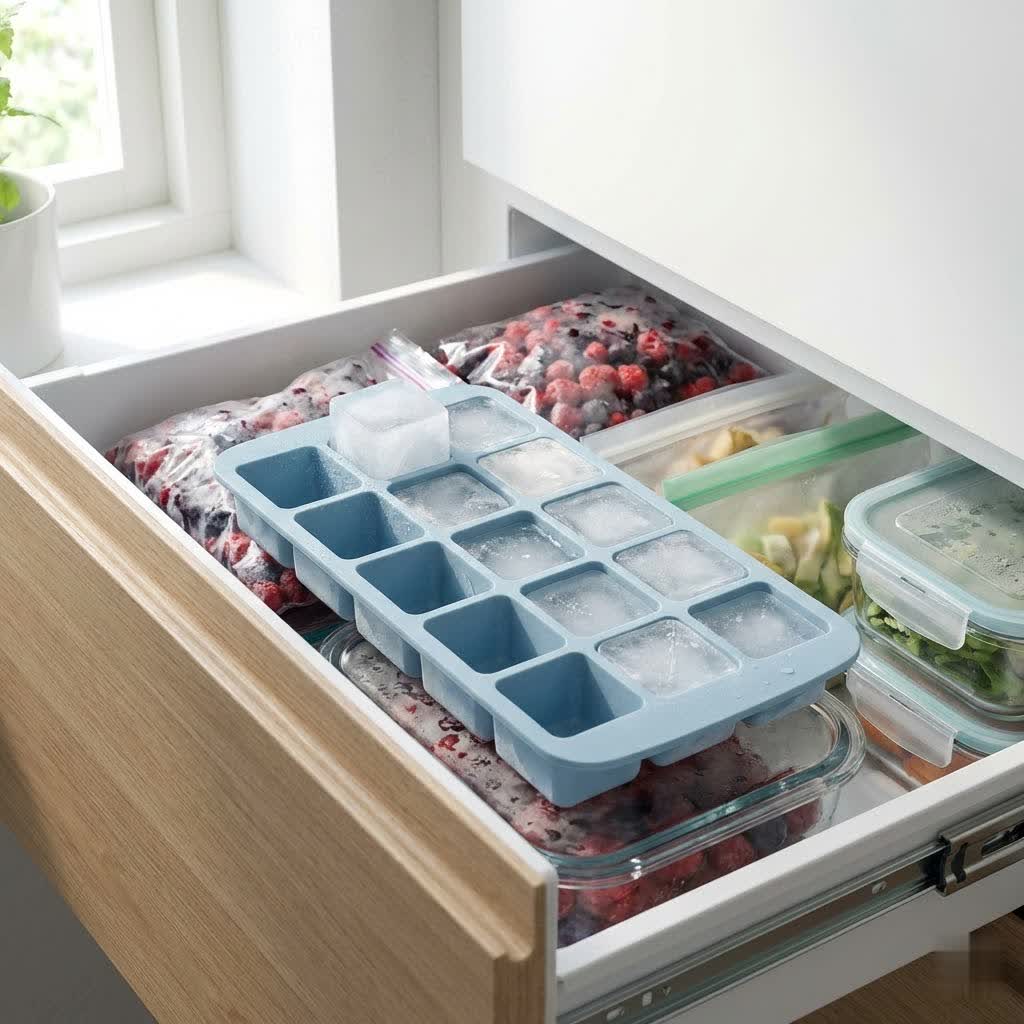
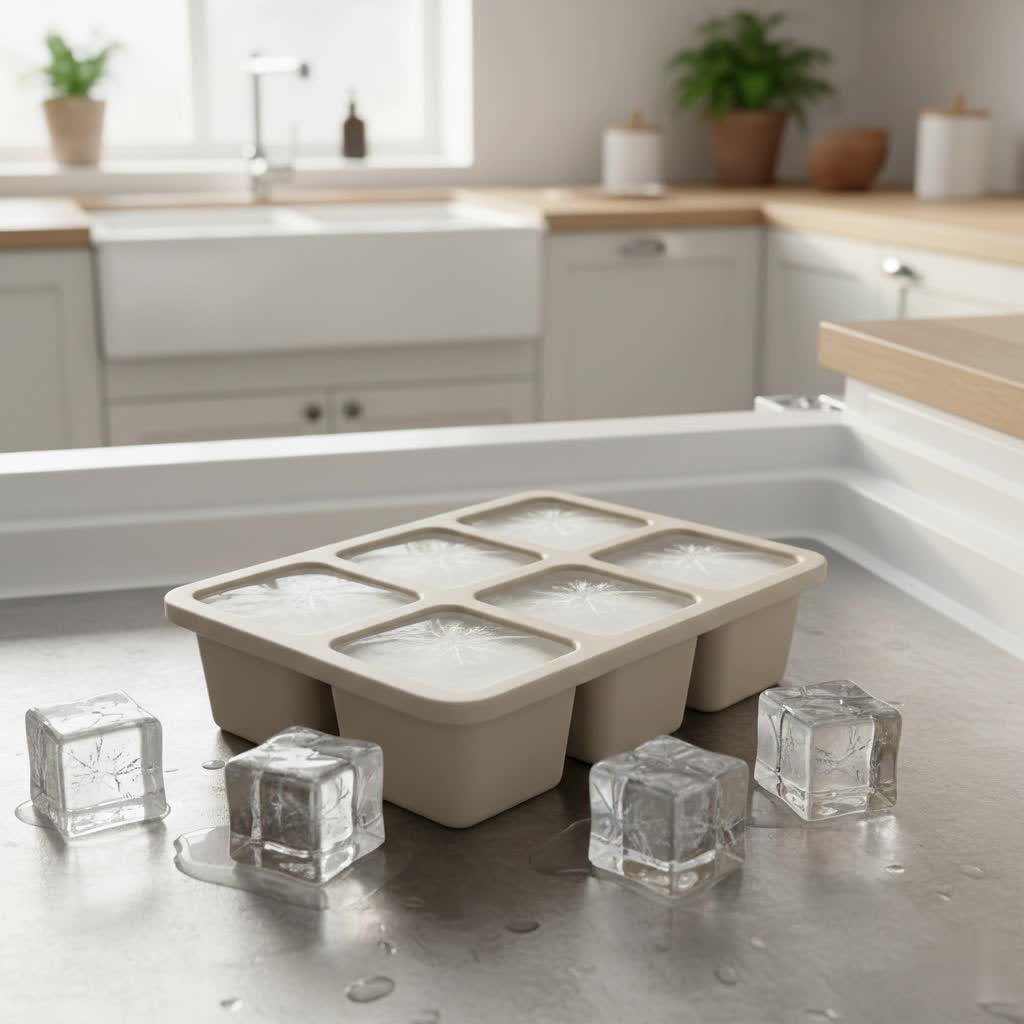
- Ice Cube Trays: Standard plastic trays work perfectly, but silicone trays are often easier for releasing the frozen cubes. Trays with lids are a bonus, as they prevent freezer burn and odor absorption.
Instructions:
- Prepare Your Milk (Optional Sweetening): If you enjoy a sweeter iced coffee, consider adding a touch of sweetener directly to your milk before freezing. You can use sugar, honey, maple syrup, or a flavored coffee syrup. Stir well until dissolved. This ensures every cube melts with your desired level of sweetness.
- Pour into Trays: Carefully pour your milk into the compartments of your ice cube tray. Avoid overfilling, as liquids expand slightly when frozen. Leave a small gap at the top of each compartment.
- Freeze: Place the filled trays in your freezer. For best results, allow them to freeze for at least 4-6 hours, or preferably overnight, to ensure they are solid through and through.
- Store (Optional): Once completely frozen, you can transfer the milk cubes from the trays into an airtight freezer bag or container. This frees up your ice cube trays for more batches and helps prevent the cubes from absorbing any freezer odors, keeping them fresh for longer.
Maximizing Your Iced Coffee Experience with Milk Cubes
With your homemade milk cubes ready, you’re just a few steps away from enjoying a perfectly chilled and wonderfully flavorful iced coffee that never gets watered down.
How to Use Milk Cubes in Your Iced Coffee:
- Brew Your Coffee: Prepare your favorite coffee as usual, whether it’s a hot brew or a cold brew concentrate. For hot coffee, allow it to cool slightly before adding to the milk cubes to prevent them from melting too rapidly.
- Add Milk Cubes: Place 3-5 milk cubes (or more, depending on your glass size and preference for creaminess) into your serving glass.
- Pour Coffee: Gently pour your cooled coffee over the milk cubes. As the coffee chills, the cubes will slowly begin to melt, releasing creamy goodness into your drink.
- Top with Milk (Optional): If you desire an extra creamy or milder coffee, you can add a splash of fresh milk on top.
- Stir and Enjoy: Give your drink a gentle stir and savor the consistent flavor and temperature. As the milk cubes melt, they continue to enrich your coffee, ensuring a delightful experience until the very last drop. This is the beauty of a reverse iced coffee, where your drink gets creamier, not weaker, as time passes. [cite: 1 (search 1)]
Creative Uses Beyond Iced Coffee:
Milk cubes aren’t just for coffee; they’re incredibly versatile!
- Iced Tea: Add them to your iced tea for a creamy twist, especially chai lattes or Earl Grey lattes.
- Smoothies: Toss a few milk cubes into your blender for extra creaminess and a thicker texture in your morning smoothie.
- Hot Beverages: Use them to cool down a hot cup of coffee or tea without dilution.
- Cooking and Baking: Keep them on hand to quickly add milk to recipes without measuring, or to chill sauces and soups.
Common Questions About Milk Cubes
Here are some frequently asked questions to help you get the most out of your milk cube experience:
How long do milk cubes last in the freezer?
When stored properly in an airtight container or freezer bag, milk cubes can typically last for up to 1-2 months in the freezer. Freezing milk helps prevent food waste and ensures you always have a creamy addition ready for your beverages.
Can I use any type of milk to make milk cubes?
Yes, you can freeze almost any type of dairy or non-dairy milk, including whole milk, skim milk, oat milk, almond milk, and soy milk. While different milks may yield slightly different textures or flavors when frozen, the core principle of preventing dilution remains. Full-fat milks like whole milk or coconut milk might show slight separation when frozen but the flavor is generally unaffected. [cite: 3 (search 2)]
Will the milk cubes separate when they thaw?
Dairy milk, especially lower-fat varieties, may sometimes exhibit minor separation (a slightly grainy texture) after freezing and thawing, but this typically doesn’t impact the flavor or overall enjoyment when mixed into coffee. Non-dairy milks generally hold up well. Stirring the coffee will usually reintegrate the milk.
Are milk cubes healthier than regular ice cubes?
From a nutritional standpoint, milk cubes contribute the nutrients present in milk (e.g., protein, calcium), whereas water ice cubes do not. They are a healthier alternative to adding sugary syrups or creamers if you are aiming for richness without extra sugar. For many, the primary benefit is taste and texture preservation. [cite: 5 (search 1)]
Conclusion
Say goodbye to watery iced coffee forever! Making milk cubes is a simple yet revolutionary hack that ensures your cold brew or iced latte remains perfectly creamy, flavorful, and robust until the very last drop. By swapping out traditional ice for frozen milk, you elevate your home coffee experience, prevent dilution, and unlock a world of consistent, delightful taste. Whether you prefer the richness of dairy or the nuanced flavors of plant-based alternatives, milk cubes are your ticket to an endlessly enjoyable iced coffee. So, why not give it a try and transform your next cup? Your taste buds will thank you! What kind of milk will you freeze first to perfect your iced coffee?
Frequently Asked Questions
What is the ideal type of ice cube tray for freezing milk?
Silicone ice cube trays are generally ideal for freezing milk because their flexible nature makes it incredibly easy to pop out the frozen cubes without cracking the tray or struggling. Trays with lids are also a great choice as they prevent freezer burn and keep the milk cubes from absorbing other food odors. [cite: 2 (search 1)]
Can I add flavorings like vanilla or caramel to my milk before freezing?
Absolutely! Adding flavorings like vanilla extract, caramel syrup, or a dash of cinnamon directly to your milk before freezing is an excellent way to infuse extra taste into your iced coffee as the cubes melt. Just ensure the flavorings are well mixed before pouring into the trays for consistent results.