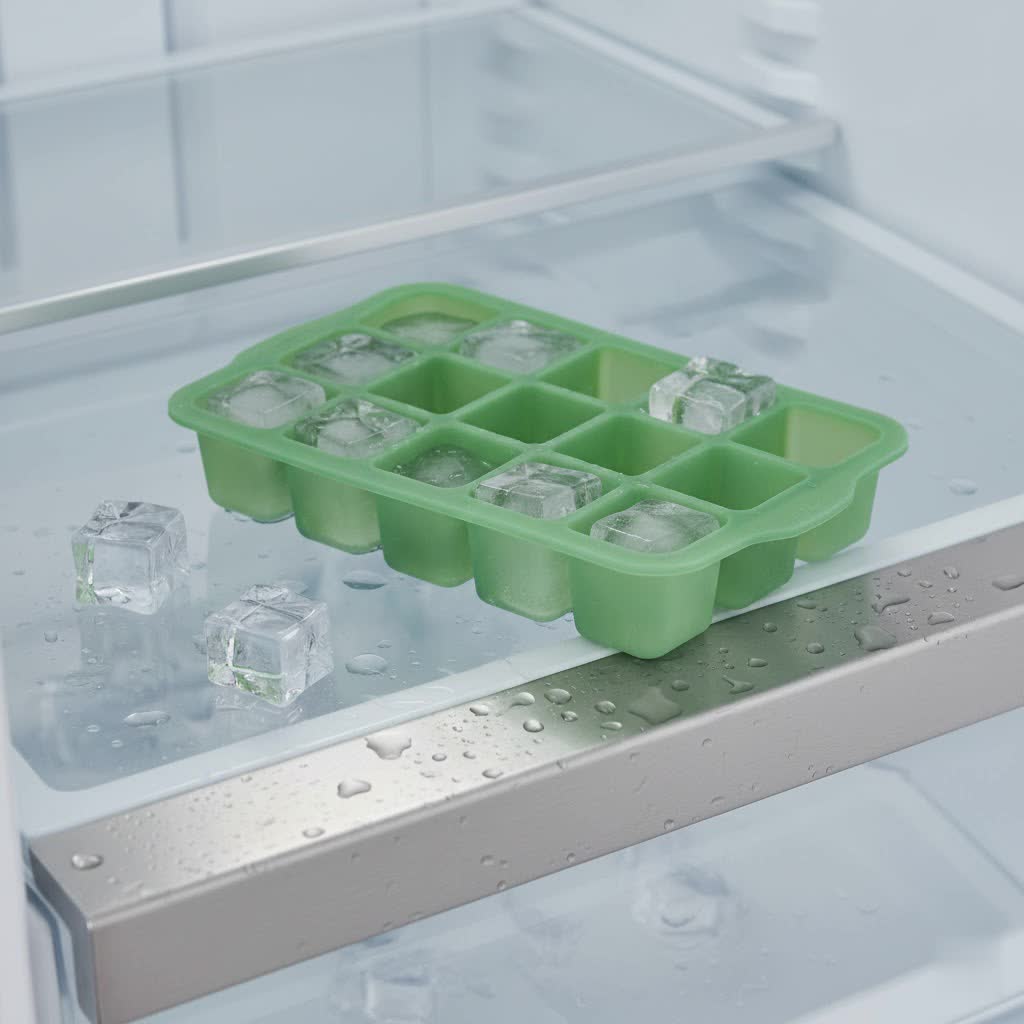
Is there anything more delightful to a child than a drink that sparkles with every color of the rainbow? Boring, clear ice cubes are a thing of the past. With a splash of imagination and a few simple ingredients, you can transform ordinary beverages into dazzling, “magic” concoctions that kids will adore. Creating colorful ice cubes is not just a fun activity, it’s also a clever way to encourage little ones to stay hydrated, especially during warmer months. This guide will walk you through everything you need to know, from choosing safe coloring methods to innovative serving ideas, ensuring your kids’ drinks are both exciting and refreshing.
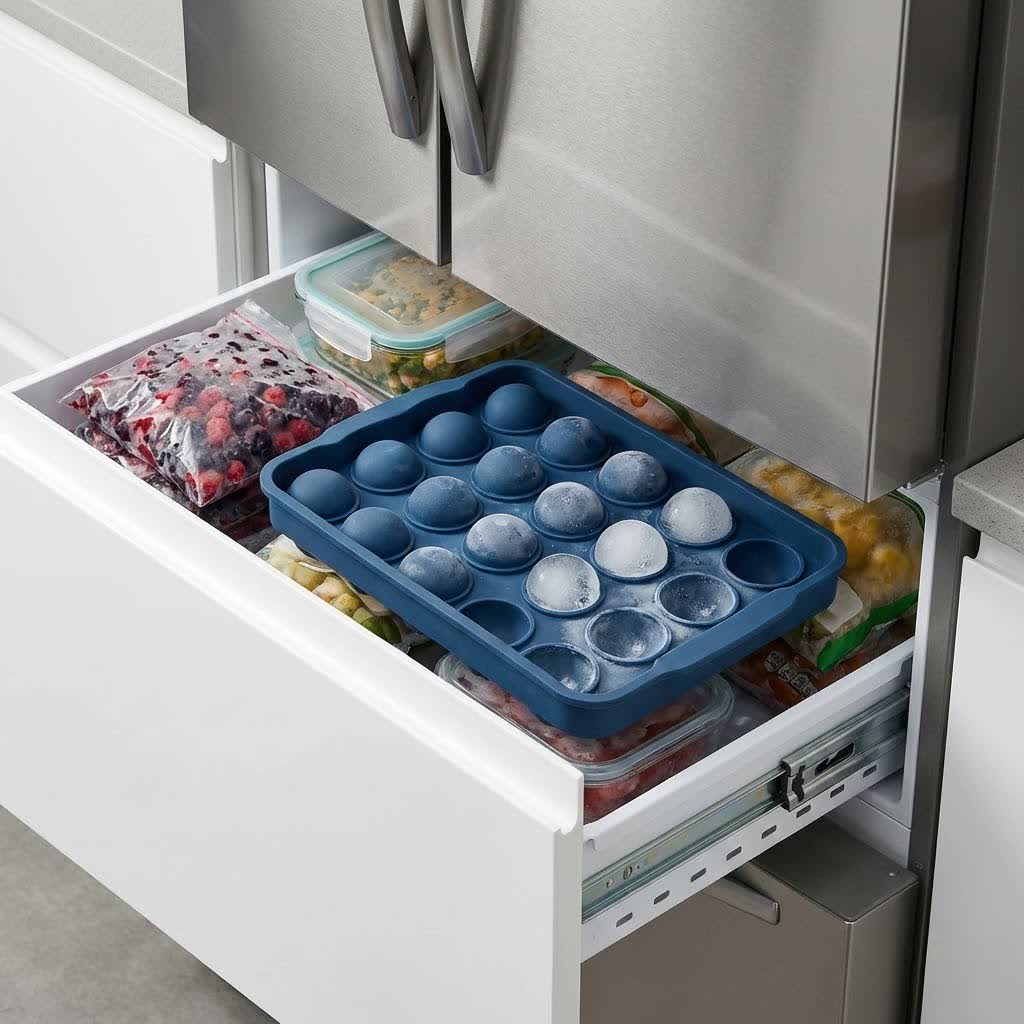
Why Colored Ice Cubes Are a Hit with Kids
The appeal of colored ice cubes goes beyond just their pretty appearance; they tap into a child’s natural curiosity and love for play. When these vibrant cubes are dropped into a glass, they slowly release their hues, turning a plain drink into a swirling masterpiece. This “magic potion” effect is captivating, making every sip an adventure. For parents, it’s a simple yet effective trick to make water or healthier drinks more enticing, reducing the struggle to meet daily fluid intake. It’s an effortless way to bring a touch of festivity to everyday moments or special celebrations.
Choosing Your Coloring Method: Artificial vs. Natural
When it comes to adding color, you have several options, each with its own advantages. The best choice often depends on your preference for artificial versus natural ingredients and the intensity of color you desire.
Food-Grade Liquid Food Coloring
Standard food coloring is the quickest and easiest way to achieve brilliant, consistent colors.
- Pros: Readily available, inexpensive, offers a vast spectrum of vibrant shades, and is simple to use.
- Cons: It’s an artificial additive, and excessive use can sometimes leave a subtle taste or, more commonly, stain hands and surfaces.
- Tips for Use: A single drop or two of concentrated liquid or gel food coloring per ice cube compartment is often sufficient for a bright color. For larger batches, mix a few drops into a pitcher of water until you achieve the desired hue before pouring into trays. Always opt for non-toxic, food-grade colorings, which are regulated for safety.
|
Our Picks for the Best Ice tray in 2026
As an Amazon Associate I earn from qualifying purchases.
|
||
| Num | Product | Action |
|---|---|---|
| 1 | DOQAUS Ice Cube Tray with Lid and Bin - 4 Pack Silicone Ice Cube Trays for Freezer, Stackable Ice Bucket Kits with Storage Container & Scoop for Kitchen, RV, Cocktail, Coffee |

|
| 2 | NFK Ice Cube Tray with Lid & Bin - 4 Pack 48 Cubes Stackable Silicone Trays for Freezer with Storage Container, Leak-Proof Lids, BPA-Free, Easy Release for Kitchen, RV, Party, Cocktail & Coffee |
|
| 3 | Ice Cube Trays, Silicone Easy-Release and Flexible 14-Ice Trays with Spill-Resistant Removable Lid, BPA Free, Durable and Dishwasher Safe, 2 Pack |
|
| 4 | ChefAide Ice Cube Tray with Lid, 2 Packs 28 Cubes Durable Stackable Ice Cube Trays for Freezer with Removable Lids, Easy-Release Plastic & Silicone Ice Tray for Cocktail, Coffee |
|
| 5 | WIBIMEN Mini Ice Cube Trays, 0.55” Tiny Pebble Ice for Iced Coffee & Cocktails, Fast Chill, Easy Twist Release, Stackable with Lid & Storage Bin (2 Pack, Blue) |
|
| 6 | OXO Good Grips Ice Cube Tray - 2 Pack White |
|
| 7 | Optish 3 Pack Ice Trays for Freezer, 99 PCS Ice Cube Tray with Lid and Bin, Round Ice Cube Mold, Circle Ice Maker for Chilling Drinks (0.8 inch, Blue) |
|
| 8 | Ice Cube Tray 5 Pack, Stackable Silicone Ice Cube Trays with Lid– Easy Release Reusable Ice Tray, BPA-Free Rectangular Ice Cube Mold Set for Cocktails, Coffee, Whiskey & Drinks- Black |
|
| 9 | WIBIMEN Ice Cube Tray with Lid and Bin - Round Ice Trays for Freezer with Lid - Ice Cube Trays for Freezer with Ice Container (1"-2PACK Blue) |
|
| 10 | ChefAide Ice Cube Tray with Lid, 4 Packs 56 Cubes Durable Stackable Ice Cube Trays for Freezer with Removable Lids, Easy-Release Plastic & Silicone Ice Tray for Cocktail, Coffee |
|
Fruit Juices and Purees
For a naturally vibrant and flavorful option, fruit juices and purees are excellent. They offer a healthier alternative while adding subtle fruity notes to drinks as they melt.
- Pros: All-natural, adds flavor and some nutritional value, and avoids artificial dyes.
- Cons: Colors might be less intense or varied compared to artificial food coloring, and strong-flavored juices can alter the taste of the drink significantly.
- Examples:
- Red: Raspberry juice, cherry juice, pomegranate juice.
- Orange: Orange juice, carrot juice.
- Yellow: Pineapple juice, mango puree (strained).
- Green: Spinach juice (blended with a little water and strained), green grape juice.
- Blue/Purple: Blueberry juice, purple grape juice.
Drink Mixes (Kool-Aid, Hawaiian Punch, Gatorade)
Powdered drink mixes are another popular choice, combining color and flavor in one convenient package.
- Pros: Produces intense, appealing colors and infuses drinks with a familiar, kid-friendly taste. They are simple to prepare.
- Cons: Many contain sugar and artificial flavors/colors, so consider sugar-free options if desired. The added flavor will definitely change the taste of the drink.
- Tips for Use: Follow the package instructions to prepare the drink mix, then pour into ice cube trays and freeze. One water bottle’s worth of Hawaiian Punch singles can fill one ice tray.
Natural Steeping (Hibiscus, Butterfly Pea Flower)
For a unique and truly natural approach, consider steeping certain flowers or herbs to create natural dyes.
- Pros: Creates beautiful, natural colors, and some offer fascinating color-changing properties.
- Cons: Requires a bit more preparation, and some steeped ingredients might impart a subtle flavor.
- Examples:
- Hibiscus Flowers: Steep in hot water to create a vibrant red or pink.
- Butterfly Pea Flowers: Steeping these creates a deep blue liquid that magically transforms into purple when exposed to acidity, like lemon juice in lemonade. This creates a truly enchanting “magic drink” experience!
Step-by-Step Guide to Making Colored Ice Cubes
Making colored ice cubes is incredibly simple, requiring minimal supplies and effort.
Materials You’ll Need:
- Ice cube trays (silicone trays make removing cubes easier)
- Water (filtered or boiled for clearer ice, if desired)
- Your chosen coloring agent: liquid food coloring, fruit juice, or powdered drink mix
- Measuring cups or a pitcher for mixing
- Small bowls or cups for mixing individual colors
The Process:
-
Prepare Your Liquid:
- For Food Coloring: Pour water into separate small bowls or directly into the ice cube tray compartments. Add 1-2 drops of food coloring to each, or mix a larger batch in a pitcher and then pour. Stir well until the color is evenly distributed.
- For Fruit Juice/Drink Mixes: Prepare your chosen fruit juice or drink mix according to its instructions. No additional water is usually needed, unless you want to dilute the color or flavor.
- Pro Tip for Clearer Ice: If you want ice cubes that are crystal clear, boil your water, let it cool, and then boil it again before adding color and freezing. This process removes dissolved air bubbles that cause cloudiness.
-
Fill the Ice Cube Trays: Carefully pour the colored liquid into each compartment of your ice cube trays. Avoid overfilling, as water expands when it freezes, which could cause cubes to stick together or overflow.
-
Freeze Until Solid: Place the filled trays in the freezer. Allow them to freeze overnight, or for at least 2-4 hours, until they are completely solid.
-
Remove and Store: Once frozen, twist the trays gently to release the colorful cubes. Store any unused cubes in an airtight freezer bag or container to keep them fresh and prevent them from absorbing freezer odors.
Creative Twists and Serving Suggestions
Unleash your inner mixologist with these fun ideas to elevate your colored ice cube game:
- Fruit-Infused Cubes: Before freezing, add small pieces of fruit like raspberries, blueberries, thin lemon slices, or mint leaves to the ice cube compartments with the colored water or juice. This adds an extra burst of flavor and visual appeal.
- Layered Cubes: For a rainbow effect within a single cube, freeze one layer of colored water, then add another color and freeze, repeating until the tray is full. This requires patience but yields impressive results.
- Shaped Ice Cubes: Use novelty ice cube trays (stars, hearts, animal shapes) to make the experience even more engaging for kids.
- “Magic Potion” Drinks: Serve these colored ice cubes with light-colored or clear beverages like sparkling water, lemon-lime soda (Sprite, 7UP), clear lemonade, or plain water. As the cubes melt, the drink slowly changes color and flavor, creating a delightful surprise. Kids especially love watching the colors swirl and transform!
- Ice Cube “Art”: Offer a glass of assorted colored ice cubes, letting kids choose their favorite colors to add to their drink, allowing them to create their own vibrant masterpiece.
Safety Considerations & Tips for Success
Ensuring safety and achieving the best results are key when making treats for children.
- Food-Grade Ingredients Only: Always use non-toxic, food-grade coloring agents and ingredients safe for consumption. This is paramount for children’s health.
- Mind the Dye Amount: While vibrant colors are fun, using excessive artificial food coloring can sometimes impart a slight chemical taste or lead to staining of teeth or clothing. A little goes a long way!
- Prevent Stains: Be mindful when handling colored liquids and fresh ice cubes, as they can temporarily stain countertops, clothing, and even the inside of your freezer if spilled.
- Storage: Store colored ice cubes separately from regular ice to prevent cross-contamination of flavors or accidental dyeing of other foods. An airtight container or freezer bag is ideal.
- Hydration Focus: While fun, remember the primary goal is often to encourage hydration. Balance colorful, flavored ice cubes with plain water or naturally flavored options.
“Colored ice cubes are a simple yet effective tool for engaging children with healthy hydration. The visual appeal and the ‘magic’ of colors blending make drinking water an exciting activity.” – Sarah Miller, Pediatric Nutritionist
Top Picks: Popular Ice Cube Trays for DIY Fun
While the choice of tray often depends on personal preference, certain features can enhance your colored ice cube experience.
- Silicone Ice Cube Trays: Highly recommended for their flexibility, which makes removing individual cubes effortless without cracking or breaking them. They come in various shapes and sizes.
- Trays with Lids: These are great for preventing spills when transferring to the freezer and also protect the ice from absorbing odors from other foods in the freezer.
- Large Cube Trays: Jumbo ice cubes melt slower, meaning the color and flavor last longer in the drink.
Conclusion
Making colored ice cubes is a simple, budget-friendly, and incredibly fun DIY project that can brighten up any day for your kids. Whether you opt for the vibrant punch of artificial food coloring or the subtle goodness of natural fruit juices, these “magic” cubes are sure to be a hit. Not only do they add a burst of color and excitement to drinks, but they also serve as a fantastic way to encourage healthy hydration habits. So, grab your ice cube trays, unleash your creativity, and get ready to transform ordinary sips into extraordinary sips.
What color ice cubes will you make first to surprise your little ones?
Frequently Asked Questions
Can I use Kool-Aid to make flavored ice cubes for kids?
Yes, absolutely! Kool-Aid is a popular choice for making flavored and colored ice cubes. Simply mix a packet of Kool-Aid with water according to package directions, pour into an ice cube tray, and freeze. This adds both vibrant color and a burst of fruity flavor to kids’ drinks.
How do I prevent colored ice cubes from staining glasses or surfaces?
To minimize staining, use a conservative amount of food coloring; often, just 1-2 drops per cube is enough. Ensure the color is fully mixed into the water before freezing. If using strong colors, opt for glasses that are easy to clean or consider using them with darker beverages where any slight tint won’t be noticeable. Promptly wipe up any spills on countertops.
Are natural coloring agents as vibrant as artificial food coloring for ice cubes?
Natural coloring agents like fruit juices or steeped flowers might produce slightly less intense or a different range of colors compared to artificial food dyes. However, they offer a beautiful, subtle vibrancy and often add a natural flavor profile, making them a great alternative for those seeking to avoid artificial ingredients.
How long do homemade colored ice cubes last in the freezer?
Colored ice cubes, like regular ice, can last for several weeks to a few months in the freezer when stored properly in an airtight container or freezer bag. This prevents them from absorbing freezer odors and maintains their flavor and color integrity.