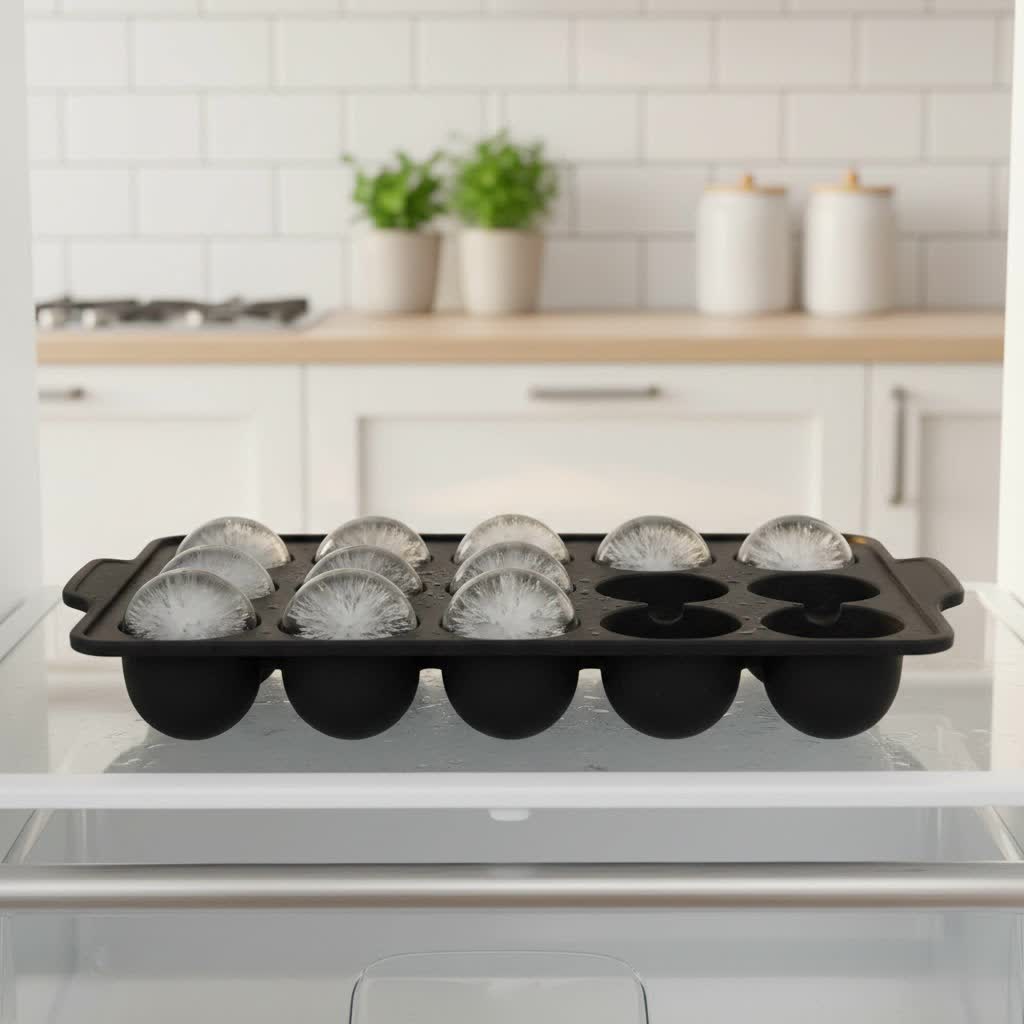
Have you ever wondered why your favorite cocktail tastes perfect at a bar but falls flat at home? Or why some drinks seem to get watery almost instantly, while others maintain their integrity for ages? The unsung hero, or sometimes villain, in this scenario is often the ice. As an expert with over a decade in home appliances, particularly ice-related products, I’ve seen countless innovations in ice trays, from traditional plastic to sophisticated silicone designs. The truth is, the size and shape of your ice cubes dramatically influence the cooling speed and, crucially, the dilution of your beverages. Understanding this distinction is key to elevating your home drinking experience, whether it’s a meticulously crafted cocktail or a simple glass of iced tea.
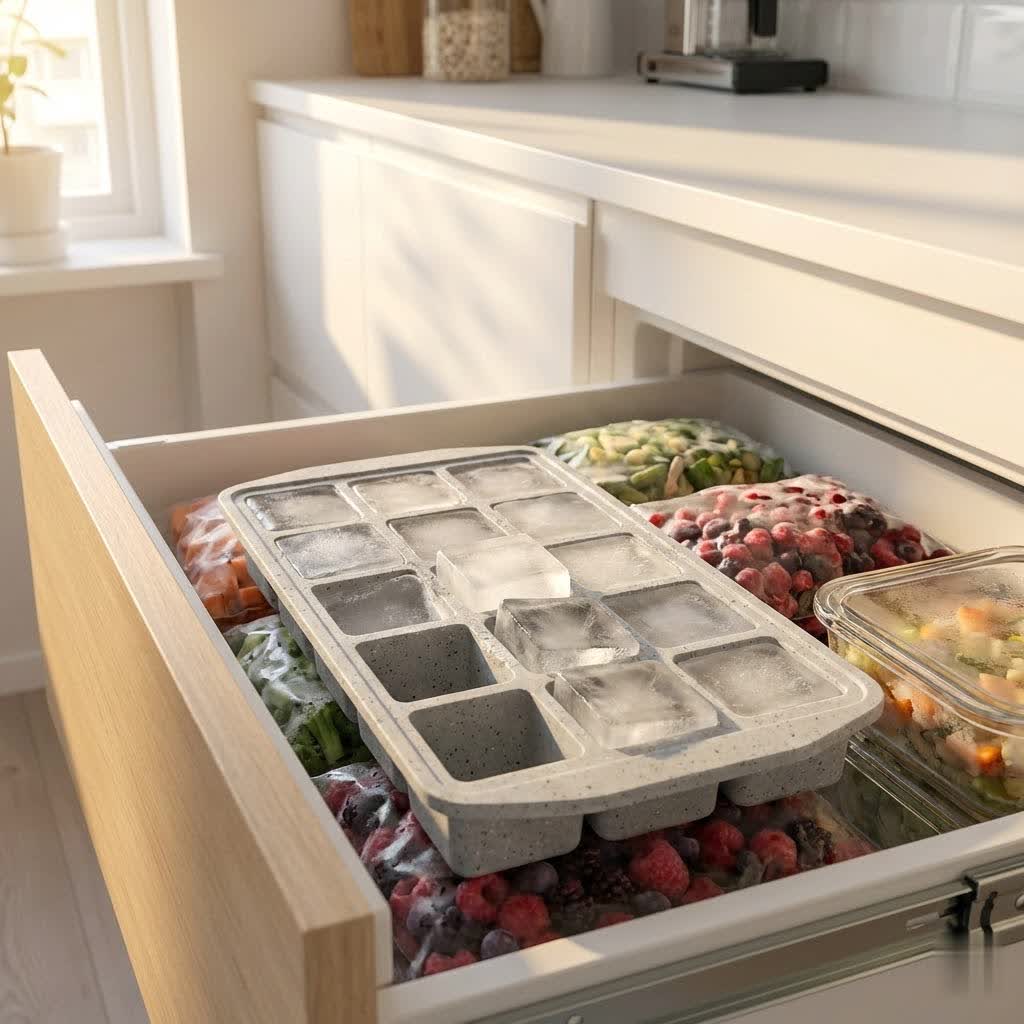
Understanding Ice: The Foundation of Your Drink
At its core, ice serves two primary functions in a drink: chilling and dilution. While cooling is intuitive, the role of dilution is often misunderstood, yet it’s absolutely vital to a balanced beverage. Ice doesn’t just make your drink cold; as it melts, it introduces water, which can either enhance or destroy the flavor profile. The science behind this lies in the surface area to volume ratio. Ice extracts heat from your drink, and the rate at which this happens, along with the rate at which the ice melts, is directly tied to how much surface area of ice is exposed to the liquid. This fundamental principle dictates how quickly your drink chills and how much it dilutes over time, making ice size a critical consideration for any beverage enthusiast.
The Contenders: Large vs. Small Ice Cubes
The world of ice isn’t just one-size-fits-all; it’s a spectrum of shapes and sizes, each offering distinct advantages and disadvantages when it comes to chilling and dilution. Let’s explore the common types you’ll find and how they perform.
Small Ice Cubes: The Quick Chillers
Small ice cubes, typically ranging from standard 1×1 inch cubes found in most refrigerator ice makers to crushed ice, offer a rapid cooling effect. Their higher surface area to volume ratio allows for more immediate contact with the liquid, transferring cold quickly. This fast action means your drink gets cold almost instantly, which can be ideal for certain preparations.
- Pros:
- Rapid Chilling: Excellent for quickly bringing a drink to temperature.
- Versatility: Fits easily into most glasses and shakers, making them a go-to for many mixed drinks and everyday beverages.
- Desired Dilution: For some drinks, like a shaken sour, a certain amount of dilution is necessary for balance and texture.
- Cons:
- Fast Dilution: Their rapid melting can quickly water down delicate or spirit-forward drinks, diminishing their intended flavor.
- “Brain Freeze” Effect: Can make drinks excessively cold initially, potentially dulling the palate.
- Best for: Shaken cocktails (where controlled dilution is part of the recipe), sodas, iced coffee, slushies, or any drink you plan to consume quickly.
|
Our Picks for the Best Ice tray in 2026
As an Amazon Associate I earn from qualifying purchases.
|
||
| Num | Product | Action |
|---|---|---|
| 1 | Optish 3 Pack Ice Trays for Freezer, 99 PCS Ice Cube Tray with Lid and Bin, Round Ice Cube Mold, Circle Ice Maker for Chilling Drinks (0.8 inch, Blue) |

|
| 2 | Ice Cube Tray 5 Pack, Stackable Silicone Ice Cube Trays with Lid– Easy Release Reusable Ice Tray, BPA-Free Rectangular Ice Cube Mold Set for Cocktails, Coffee, Whiskey & Drinks- Black |
|
| 3 | DOQAUS Ice Cube Tray with Lid and Bin - 4 Pack Silicone Ice Cube Trays for Freezer, Stackable Ice Bucket Kits with Storage Container & Scoop for Kitchen, RV, Cocktail, Coffee |
|
| 4 | ChefAide Ice Cube Tray with Lid, 4 Packs 56 Cubes Durable Stackable Ice Cube Trays for Freezer with Removable Lids, Easy-Release Plastic & Silicone Ice Tray for Cocktail, Coffee |
|
| 5 | NFK Ice Cube Tray with Lid & Bin - 4 Pack 48 Cubes Stackable Silicone Trays for Freezer with Storage Container, Leak-Proof Lids, BPA-Free, Easy Release for Kitchen, RV, Party, Cocktail & Coffee |
|
| 6 | WIBIMEN Mini Ice Cube Trays, 0.55” Tiny Pebble Ice for Iced Coffee & Cocktails, Fast Chill, Easy Twist Release, Stackable with Lid & Storage Bin (2 Pack, Blue) |
|
| 7 | WIBIMEN Ice Cube Tray with Lid and Bin - Round Ice Trays for Freezer with Lid - Ice Cube Trays for Freezer with Ice Container (1"-2PACK Blue) |
|
| 8 | Ice Cube Trays, Silicone Easy-Release and Flexible 14-Ice Trays with Spill-Resistant Removable Lid, BPA Free, Durable and Dishwasher Safe, 2 Pack |
|
| 9 | ChefAide Ice Cube Tray with Lid, 2 Packs 28 Cubes Durable Stackable Ice Cube Trays for Freezer with Removable Lids, Easy-Release Plastic & Silicone Ice Tray for Cocktail, Coffee |
|
| 10 | OXO Good Grips Ice Cube Tray - 2 Pack White |
|
Large Ice Cubes: The Slow Dilution Specialists
On the other end of the spectrum are large format ice cubes, including oversized cubes (often 2×2 inches or larger), spheres, and Collins spears. These formidable pieces of ice boast a lower surface area to volume ratio, meaning less of their icy surface is in direct contact with your drink at any given moment.
- Pros:
- Controlled Dilution: They melt much slower, preserving the drink’s flavor and alcohol content for a longer duration. This is paramount for drinks meant to be savored slowly.
- Sustained Chill: Keeps a drink cold for an extended period without over-diluting.
- Premium Aesthetics: Large, crystal-clear ice adds a touch of sophistication and visual appeal, often signaling a quality drink.
- Cons:
- Slower Initial Chill: Takes longer to bring the drink to its optimal cold temperature.
- Requires Specialized Molds: You’ll need specific ice trays or molds to produce these larger shapes.
- Best for: Spirit-forward cocktails like Old Fashioneds and Manhattans, whiskey on the rocks, or any high-quality spirit you want to sip and enjoy without rapid dilution.
Detailed Comparison: Impact on Your Drink
Let’s break down the practical differences between large and small ice cubes and how they ultimately affect your drinking experience.
| Feature | Small Ice Cubes | Large Ice Cubes |
|---|---|---|
| Cooling Speed | Faster initial chill | Slower initial chill, but sustained over time |
| Dilution Rate | Faster, more significant dilution | Slower, more controlled dilution |
| Flavor Impact | Can quickly water down delicate flavors; good for necessary dilution in some recipes | Preserves drink’s integrity and flavor longer; less flavor compromise |
| Versatility | High (fits most glasses, shakers, everyday use) | Moderate (best for specific glass types and sipping drinks) |
| Aesthetics | Standard, functional | Premium, elegant, often clear |
| Ideal Uses | Quick drinks, shaken cocktails, sodas, iced coffee | Sipping spirits, spirit-forward cocktails, long drinks |
This table clearly illustrates that neither type of ice is universally “better”; rather, their superiority depends entirely on the context of the drink and your personal preference. For a refreshing iced tea on a hot day, where rapid cooling and a little dilution are welcome, small cubes might be perfect. However, for a fine single malt Scotch, a large, slow-melting cube is the undisputed champion.
Choosing the Right Ice Tray for Your Cubes
The quality and type of ice you produce directly stem from the ice tray you use. As a technician specializing in these very products, I can tell you that not all trays are created equal, and selecting the right one is crucial for achieving your desired ice cubes.
- Silicone Ice Trays: These are incredibly popular for producing large ice cubes and spheres. Their flexibility allows for easy removal of even the largest, most stubbornly frozen shapes without cracking the tray or the ice. Many silicone molds are also excellent for crafting clear ice.
- Advantages: Easy ice release, durable, often BPA-free, great for large, artisanal cubes.
- Disadvantages: Can sometimes absorb odors if not cleaned properly, typically more expensive than plastic.
- Plastic Ice Trays: The classic choice, plastic trays are affordable and widely available, primarily producing standard-sized cubes. Modern designs often include lids to prevent spills and freezer odors.
- Advantages: Inexpensive, common, good for high volume of standard cubes.
- Disadvantages: Can be brittle and crack over time, ice can be difficult to remove, some older plastics may contain BPA.
- Stainless Steel Ice Trays: While less common for everyday home use, stainless steel trays offer exceptional durability and can contribute to clearer ice due to slower freezing from their material properties. They often produce classic, smaller cubes.
- Advantages: Extremely durable, easy to clean, non-reactive.
- Disadvantages: Can be the most expensive, ice release can be challenging without proper technique, can be noisy.
When making your choice, consider the primary type of drinks you enjoy. If you’re a whiskey aficionado, investing in a good silicone large cube or sphere mold is a game-changer. For daily use in sodas and iced tea, a sturdy, lidded plastic or stainless steel tray for standard cubes will serve you well.
Beyond Size: Tips for Perfect Ice & Optimal Dilution
Creating exceptional ice involves more than just selecting the right tray; a few simple techniques can significantly enhance your drinking experience.
- Use Filtered Water: The quality of your water directly impacts the quality and taste of your ice. Filtered or distilled water minimizes impurities, leading to clearer, purer-tasting ice that won’t impart off-flavors to your drink.
- Pre-chill Your Glassware: A chilled glass helps the ice maintain its temperature for longer, reducing initial melt and slowing down dilution.
- Fill the Glass Adequately: It might seem counter-intuitive, but using more ice can actually lead to less overall dilution in the long run. A glass packed with ice will chill faster, and once the drink reaches a stable, cold temperature, the ice melts at a much slower rate. A few lonely cubes in a warm drink will melt rapidly, resulting in a watered-down mess.
- Avoid “Wet” Ice: Ice that has been sitting out and started to melt (known as “wet” ice) will dilute your drink much faster. Always use fresh, cold, “dry” ice straight from the freezer for optimal results.
- Consider Tempering (for cocktails): For shaken or stirred cocktails, allowing your ice to “temper” (sit out for a minute or two) can slightly warm its surface, preventing it from shattering excessively during agitation and ensuring a smoother, more controlled dilution.
Top Picks: Ice Trays for Crafting Your Ideal Cubes
While specific brands can vary, the market offers fantastic options across different categories to suit every need. For those pursuing minimal dilution, premium silicone molds designed for oversized cubes (e.g., 2-inch squares) or spherical ice are excellent investments. These often come in sets of two or four, ensuring you always have a pristine, slow-melting chunk ready. If you prefer versatile, standard-sized ice that still releases easily, look for flexible plastic or silicone trays with well-designed lids. Many innovative trays also feature stackable designs to maximize freezer space, allowing you to produce ample quantities of consistent, functional cubes. The key is to seek out materials that are food-grade and durable, offering a balance of ease of use and quality ice production.
Conclusion
The debate between large and small ice cubes isn’t about one being inherently superior, but rather about understanding their unique characteristics and matching them to your beverage of choice. Small cubes offer quick chilling and controlled dilution for lively, fast-consumed drinks, while large cubes are champions of slow, sustained cooling, preserving the integrity of your most cherished spirits. By carefully considering the science of dilution and equipping your kitchen with the right ice trays, you gain the power to perfectly tailor every drink to its ideal temperature and flavor profile. So, which ice cube will you choose to elevate your next sip?
Frequently Asked Questions
Does more ice dilute a drink faster?
No, it’s often the opposite. More ice chills a drink faster, bringing it to an equilibrium temperature more quickly. Once that temperature is reached, the ice melts at a significantly slower rate, resulting in less overall dilution than if you used only a few cubes that quickly melt and water down the drink.
What’s the best ice for an Old Fashioned?
For an Old Fashioned, a large, dense ice cube or sphere is generally considered the best choice. Its minimal surface area ensures slow melting, which preserves the rich flavors of the whiskey and bitters with controlled dilution, allowing you to savor the drink over an extended period.
Can ice size affect how quickly a drink gets cold?
Absolutely. Smaller ice cubes, due to their higher surface area-to-volume ratio, have more contact points with the liquid. This allows them to transfer cold more rapidly, chilling a drink faster than a single large ice cube would.
Why is clear ice preferred in cocktails?
Clear ice is preferred for several reasons: it looks more appealing and professional, it melts slower because it’s denser and contains fewer trapped air bubbles and impurities, and it’s less likely to impart any off-flavors to your drink. It signifies a higher quality ingredient.
Is there a difference between shaking and stirring ice for dilution?
Yes, there is. Shaking a cocktail with ice introduces more aeration and rapid cooling, which leads to a quicker initial dilution compared to stirring. Stirring, typically done with large ice, results in a slower chill and less dilution, making it ideal for spirit-forward drinks that require clarity and minimal dilution.