There’s nothing quite as disappointing as reaching for a refreshing drink, dropping in some ice, and taking a sip only to be met with the unmistakable, pungent flavor of last night’s garlic bread or forgotten onions. This common kitchen conundrum, where your pristine ice mysteriously takes on the odors of your freezer, can instantly ruin a beverage and leave you wondering if your freezer is secretly a vault for old spices. But fear not, the solution to banishing that “freezer garlic” taste is well within reach, transforming your ice back into the tasteless, refreshing cubes it was meant to be.
The Mystery Unveiled: Why Your Ice Absorbs Odors
The root cause of garlicky ice lies in the very nature of ice itself: its porous structure. Much like a sponge, ice readily absorbs volatile organic compounds (VOCs) that float freely within your freezer and refrigerator compartments. These VOCs are the invisible culprits behind strong food aromas, constantly evaporating from items even at freezing temperatures. Foods notorious for releasing these potent compounds include, but are not limited to, garlic, onions, fish, pungent cheeses, and even heavily spiced leftovers.
A significant contributor to this odor transfer, especially in many modern refrigerators, is the single evaporator system. This design circulates air between both the fresh food and freezer sections, meaning that strong smells from your fridge can easily waft into the freezer and be absorbed by your ice. While convenient, this system makes your ice particularly vulnerable to absorbing unwanted flavors from either compartment.
Pinpointing the Problem: Where is the Garlic Coming From?
Before you can tackle the issue, identifying the primary source of the offending odors is crucial. The culprit might be obvious, but sometimes the “freezer garlic” taste comes from unexpected places.
Freezer Contents: The most common source is improperly stored food. Leftovers in thin plastic containers, unsealed bags of vegetables, or even items with compromised packaging can continuously release VOCs into the air. If you have strong-smelling foods like garlic, onions, or fish, and they’re not hermetically sealed, your ice will suffer.
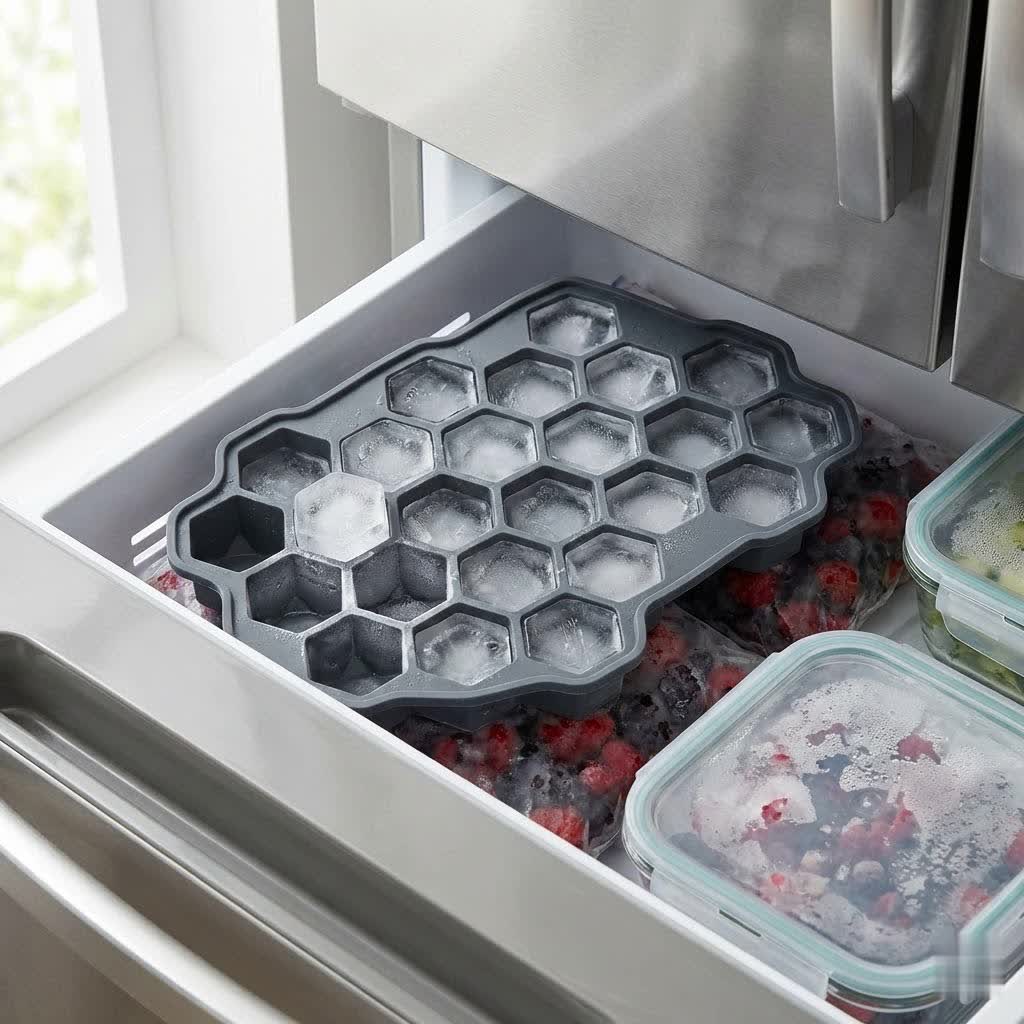
Ice Maker or Trays: Over time, your ice maker or traditional ice trays can accumulate residues from previous batches of ice, mineral deposits from water, or even minuscule food spills. These residues can harbor odors, directly contaminating new ice as it forms. Plastic ice trays, in particular, are known for absorbing and retaining smells.
Overall Freezer Cleanliness: Hidden spills, forgotten items at the back of shelves, or general grime can become breeding grounds for odors. Even a tiny, overlooked drop of garlic oil can permeate the entire freezer environment.
Water Source: Less common, but still a possibility, is the water itself. If your home’s tap water has an off-flavor, or if your refrigerator’s water filter is old and clogged, the ice produced will naturally carry that undesirable taste. Filters are designed to remove impurities, but an expired filter can reintroduce them or fail to prevent odor absorption.
Faulty Seals: A damaged or poorly sealing freezer door gasket can allow external odors from your kitchen or refrigerator to seep into the freezer, further contributing to the problem. It also leads to temperature fluctuations, which can intensify odor transfer.
The Ultimate Fix: A Step-by-Step Guide to Fresh-Tasting Ice
Restoring your ice to its pure, neutral state requires a multi-pronged approach focusing on cleanliness, proper storage, and ongoing maintenance.
Deep Clean Your Freezer
This is the foundational step. A thorough cleaning eliminates existing odor sources and prepares your freezer for better ice production.
- Empty and Defrost: Remove all food items from your freezer and store them in a cooler. Unplug the freezer and allow it to fully defrost if it’s heavily frosted.
- Clean Surfaces: Mix a solution of one part white vinegar to two parts warm water, or create a paste with baking soda and water. Use a clean cloth to scrub all interior surfaces, paying close attention to corners, crevices, and underneath bins where spills might hide. Vinegar and baking soda are excellent natural deodorizers and cleaners.
- Rinse and Dry: Wipe down all surfaces with a clean, damp cloth to remove any cleaning solution residue, then dry thoroughly with a soft towel. Allowing it to air dry for a bit can also help.
Sanitize Your Ice Maker and Trays
The ice-making components are direct contact points and crucial for fresh ice.
- For Automatic Ice Makers: Consult your appliance’s manual for specific cleaning instructions. Many modern ice makers have self-cleaning cycles or recommend specialized cleaning tablets. If not, unplug the refrigerator, remove the ice bin, and wash it thoroughly with warm, soapy water or a baking soda solution. Use a soft brush or cotton swab to clean hard-to-reach areas around the ice chute and dispenser. Rinse well and ensure all parts are completely dry before reassembling.
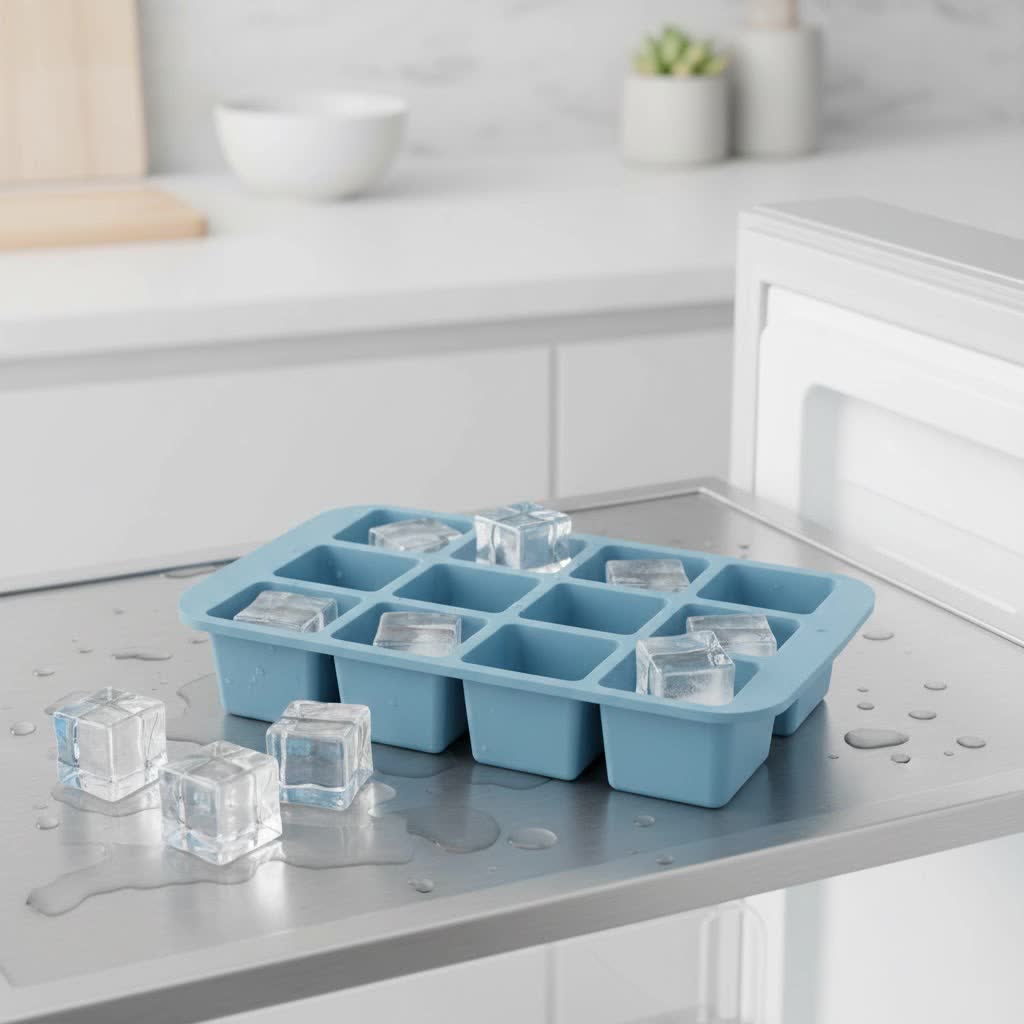
- For Ice Trays: If using traditional trays, wash them with hot, soapy water. For persistent odors, soak plastic or silicone trays overnight in a solution of equal parts white vinegar and water. Silicone, in particular, can absorb odors, so a good soak is often necessary. Consider replacing old, heavily stained, or cracked plastic trays as they become harder to clean and more prone to harboring smells.
Mastering Food Storage
This is paramount for preventing future odor contamination.
- Airtight is Key: Store all strong-smelling foods, whether in the fridge or freezer, in truly airtight containers. Glass containers with tight-sealing lids are ideal as they are non-porous and won’t absorb or transfer odors. Thick-walled plastic containers with robust seals are also a good option.
- Avoid Thin Wraps: Single layers of plastic wrap offer minimal protection against VOCs escaping. If you must use plastic wrap, double-wrap or combine it with aluminum foil for an extra barrier.
- Regular Inventory: Keep your freezer organized and regularly check for old or freezer-burned items. Discard anything past its prime, as these can become significant odor sources.
Optimizing Your Water & Ice
Ensure the raw materials for your ice are pristine.
- Replace Water Filters: If your refrigerator has a water filter, replace it every six months or as recommended by the manufacturer. A dirty filter can introduce stale tastes or fail to adequately filter impurities that affect ice flavor.
- Use Filtered Water: If your tap water has a noticeable taste, consider using a pitcher filter or installing a whole-home filtration system. This ensures the water used for ice is clean and neutral-tasting.
- Refresh Your Ice Supply: Ice isn’t meant to last forever. Regularly dump old ice from your ice bin, especially if it’s been sitting for several weeks. This allows your ice maker to produce a fresh batch, reducing the chances of odor absorption. As Dan Wroclawski of Consumer Reports once noted, “If some of it smells, likely all of it smells.” [cite: 4 from query 2]
Employ Odor Absorbers
These work as a continuous defense against floating VOCs.
- Baking Soda: An open box of baking soda placed in the freezer is a classic, inexpensive solution. Its alkaline nature helps neutralize acidic odors. Replace it every month or two for optimal effectiveness.
- Activated Charcoal: For a more powerful and longer-lasting solution, consider activated charcoal. It’s highly porous and can absorb a wider range of molecules, making it more effective than baking soda for various odors. Place a pouch or an open container of activated charcoal in the back of your freezer.
Advanced Tips for Pristine Ice
For those seeking truly pristine ice, consider these extra steps:
- Maintain Optimal Freezer Temperature: Ensure your freezer is set to 0°F (-18°C) or colder. Consistent cold temperatures help minimize food degradation and the release of odor-causing VOCs.
- Dedicated Ice Bins: If possible, store newly made ice in a dedicated, airtight ice bin or sturdy freezer bags, away from strong-smelling foods. This creates an additional barrier against odor absorption.
Conclusion
The unwelcome surprise of ice that tastes like freezer garlic doesn’t have to be a permanent fixture in your kitchen. By understanding that ice acts as an odor sponge and proactively addressing the sources of those smells, you can ensure every glass of iced water or cocktail is a pure, refreshing experience. A routine of deep cleaning your freezer and ice maker, diligently storing foods in airtight containers, replacing water filters, and employing reliable odor absorbers will keep your ice tasting fresh and neutral. Take control of your freezer’s aroma, and you’ll banish that garlicky ice for good, enjoying truly clean-tasting beverages once more.
What small change will you make today to improve the taste of your ice?
Frequently Asked Questions
Is bad-tasting ice safe to consume if it smells like freezer garlic?
While generally not harmful, ice that tastes like freezer garlic or other food odors is unpleasant and indicates that your freezer or ice maker is not as clean as it should be, or that food is improperly stored. It’s best to address the issue and discard the affected ice.
How often should I clean my ice maker or ice trays?
It’s recommended to clean your ice maker and ice trays every 1-3 months, or more frequently if you notice any odors or mineral buildup. A full deep clean of your freezer should be done every 3-6 months.
Can freezer burn cause ice to taste bad?
Freezer burn itself doesn’t directly cause ice to taste like garlic, but it’s a sign of improper storage or temperature fluctuations. Foods with freezer burn can develop off-flavors that, if left unsealed, can contribute to the overall freezer odor problem that affects ice.
What’s the difference between baking soda and activated charcoal for odor absorption in a freezer?
Baking soda (sodium bicarbonate) is effective at neutralizing acidic odors but has limitations. Activated charcoal, made of pure carbon, has a highly porous surface that allows it to absorb a wider range of molecules, including both acidic and alkaline odors, making it generally more effective for overall odor removal.