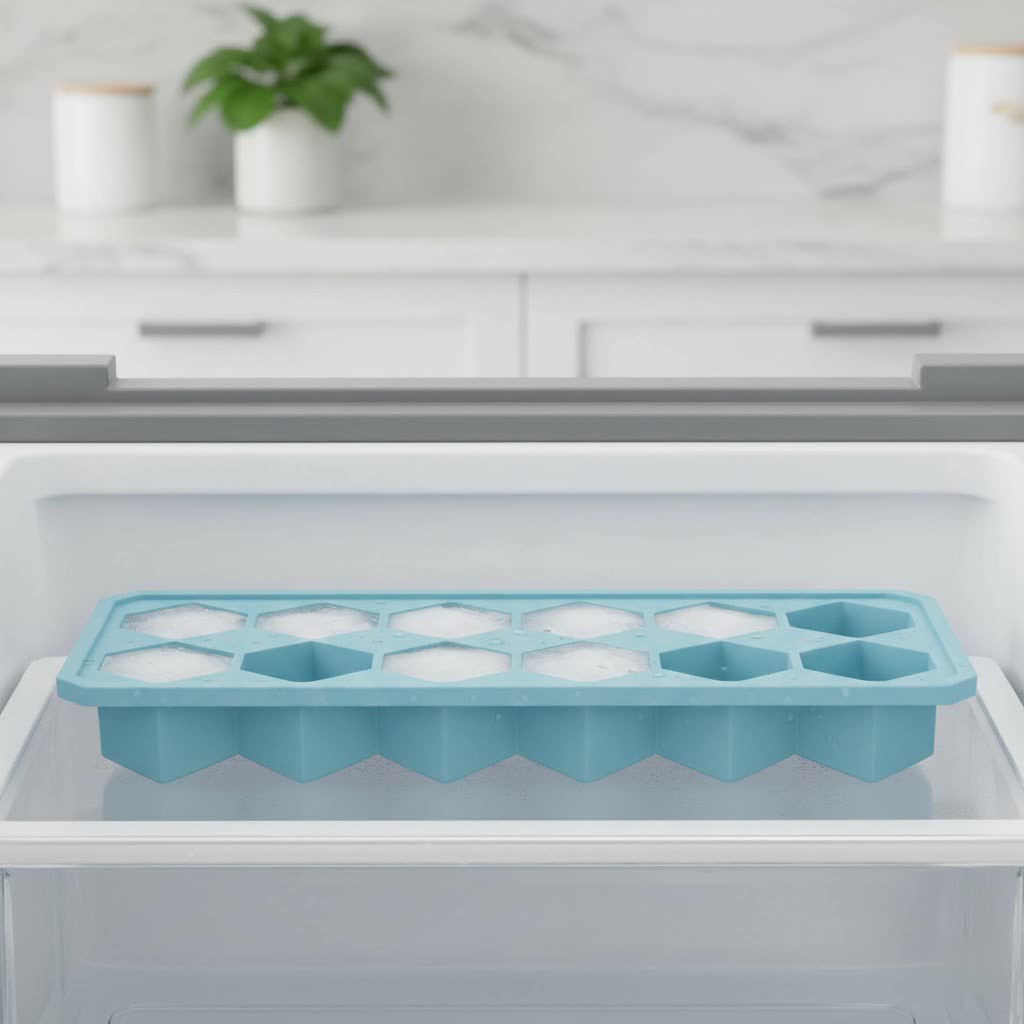
Have you ever struggled to pry stubborn ice cubes from a rigid tray, only to have it crack in your hands? The humble ice tray, a seemingly simple kitchen tool, plays a crucial role in our daily lives, from chilling our drinks to preserving food. But with an increasing variety of options available, choosing the right one can feel surprisingly complex. When it comes to the classic debate of silicone vs. plastic ice trays, which material truly stands up to the test of time, convenience, and safety?
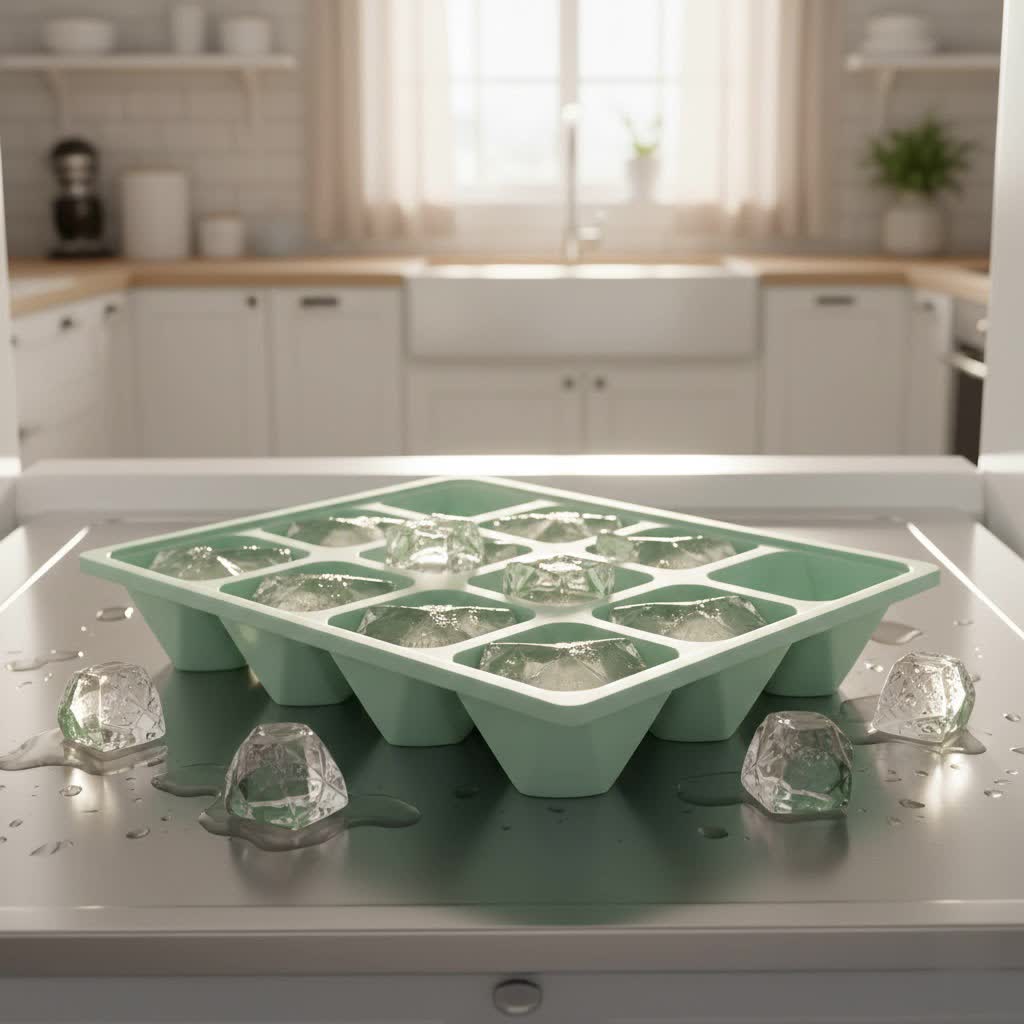
This comprehensive guide will dive deep into the world of ice-making essentials, exploring the characteristics, pros, and cons of both silicone and plastic trays. We’ll examine everything from durability and ease of use to environmental impact and cost, helping you make an informed decision that perfectly chills your needs.
What Are Ice Trays and Why Do You Need Them?
At its core, an ice tray is a mold designed to freeze water into individual ice cubes, transforming liquid into solid frosty blocks. Their primary purpose is to provide a constant supply of ice for beverages, ensuring your drinks remain refreshingly cold. Beyond cocktails and iced tea, ice trays are incredibly versatile tools in the kitchen.
They can be used for freezing leftover herbs in oil, making perfectly portioned baby food, flash-freezing small fruits, or even creating chilled coffee cubes for a less diluted brew. Historically, ice trays have evolved from cumbersome metal designs to more common plastic and, most recently, flexible silicone. This evolution reflects a continuous quest for better ice release, improved durability, and enhanced user convenience in our everyday lives.
Common Types of Ice Trays on the Market
The ice tray landscape offers several material choices, each with distinct advantages and disadvantages. While metal trays were once common, the market today is primarily dominated by plastic and silicone options, with some niche offerings like stainless steel.
Plastic Ice Trays
Plastic ice trays are perhaps the most ubiquitous and recognizable type. They are typically made from polypropylene or polyethylene.
- Advantages: Plastic trays are remarkably inexpensive and widely available, making them an accessible option for almost any household. They are also relatively sturdy when filled, minimizing spills as you transfer them to the freezer.
- Disadvantages: A major drawback is their tendency to become brittle over time, especially after repeated exposure to freezing temperatures, leading to cracks and breakage. Ice removal can also be challenging, often requiring forceful twisting or banging. Concerns about chemicals like BPA (Bisphenol A) in some older or lower-quality plastics have also made consumers wary, though many modern plastic trays are now BPA-free.
Silicone Ice Trays
Silicone ice trays have gained immense popularity in recent years for their unique properties. Made from food-grade silicone, a synthetic rubber, these trays offer a different user experience.
- Advantages: Their outstanding flexibility is a major highlight, allowing for incredibly easy ice removal—cubes simply pop out with a gentle push. Silicone is also highly durable, resistant to cracking, and can withstand extreme temperatures, making it suitable for both freezing and baking. High-quality silicone is non-toxic, BPA-free, and food-safe, providing peace of mind. Many silicone trays come in fun shapes and sizes, adding a touch of whimsy to your drinks.
- Disadvantages: Silicone trays are generally more expensive than their plastic counterparts. Their flexibility, while an advantage for ice release, can be a disadvantage when filling and transporting, as they can be floppy and prone to spills unless supported by a flat tray. They can also sometimes absorb odors from the freezer if not cleaned regularly.
Other Types
While less common for everyday ice, stainless steel ice trays offer exceptional durability and a classic aesthetic but can be very expensive and may require a lever for ice release. Lidded ice trays, regardless of material, provide the added benefit of preventing spills and protecting ice from freezer odors, though they might take up more space.
Detailed Comparison of Ice Tray Types
To help you visualize the differences, here’s a comprehensive comparison of plastic and silicone ice trays:
| Feature | Plastic Ice Trays | Silicone Ice Trays |
|---|---|---|
| Price | Low | Medium to High |
| Durability | Low (prone to cracking) | High (flexible, resists cracks) |
| Safety | Can vary (check for BPA-free) | High (food-grade, BPA-free) |
| Ease of Ice Removal | Difficult (requires twisting) | Easy (flexible, push-out) |
| Cleaning | Easy | Easy (often dishwasher-safe) |
| Temperature Resistance | Low (can become brittle) | High (-40°F to 446°F) |
| Odor Absorption | Low | Moderate (can absorb if not cleaned) |
| Environmental Impact | Higher (shorter lifespan, more waste) | Lower (longer lifespan, recyclable in specialized facilities) |
How to Choose the Perfect Ice Tray for Your Needs
Selecting the right ice tray goes beyond just aesthetics; it’s about matching the product to your lifestyle and priorities. Consider these factors when making your choice:
- Identify Your Usage Needs: Do you need ice primarily for drinks, or do you plan to freeze purees, broths, or larger cocktail spheres? For delicate items or intricate shapes, silicone’s flexibility is often superior. For basic, high-volume ice making where cost is key, plastic might suffice.
- Prioritize Material Safety: If health and avoiding potential chemical exposure (like BPA) are top concerns, food-grade silicone is generally the safer bet. Many plastic trays are now BPA-free, but always check the product specifications.
- Consider Size and Shape: Ice trays come in various cube sizes, from small “crushed” ice molds to large, slow-melting spheres or cubes. Bigger ice melts slower, which is great for spirits, while smaller cubes are better for blended drinks or quick chilling. Choose based on your preferred beverages.
- Read User Reviews: Customer feedback can offer invaluable insights into a product’s real-world performance. Look for comments on ice release, durability over time, and any lingering odors or tastes.
- Compare Costs and Value: While plastic trays are cheaper upfront, their shorter lifespan might mean more frequent replacements. Silicone, despite a higher initial investment, often proves more economical in the long run due to its superior durability and reduced waste.
Tips for Using and Maintaining Your Ice Trays
Proper care can significantly extend the life of your ice trays and ensure your ice is always clean and fresh.
- Wash Before First Use: Always wash new ice trays with warm, soapy water before their initial use to remove any manufacturing residues.
- Don’t Overfill: Filling the compartments too full can lead to oversized, fused cubes and spills in your freezer. Leave a small gap at the top to allow for water expansion.
- Use Filtered Water: For clearer, better-tasting ice, use filtered water. Tap water often contains impurities that can result in cloudy ice and affect flavor.
- Regular Cleaning is Key: Wash your ice trays regularly, even if they only held water. Silicone trays, in particular, can absorb odors from the freezer over time if not cleaned. Most silicone and many plastic trays are dishwasher safe.
- Proper Storage: Store clean, dry ice trays in a cupboard or drawer, or stack them neatly in the freezer once emptied. Lidded trays are excellent for preventing freezer burn and odor absorption.
Top Picks: Popular Ice Tray Features and Designs
While we can’t recommend specific brands without current market data, the most favored ice trays often share key characteristics that enhance the user experience. For silicone, users gravitate towards models featuring reinforced rims to prevent spillage during transport, as well as those offering oversized cubes or spheres for slow-melting drinks. Many also appreciate designs with easy-fill channels or stackable designs to optimize freezer space.
“For unparalleled convenience and a longer lifespan, silicone ice trays truly stand out as the modern choice for any home.”
Plastic trays remain popular for their simplicity and low cost, especially those with tight-fitting lids that prevent spills and freezer odors. Many consumers also look for BPA-free certifications to ensure safety, even in budget-friendly options. The best choices ultimately balance functionality, durability, and a price point that aligns with individual priorities.
Conclusion
Choosing between silicone and plastic ice trays ultimately comes down to a balance of cost, convenience, safety, and environmental considerations. While plastic offers a budget-friendly and sturdy option, it often falls short in terms of durability and ease of ice release. Silicone, though a higher initial investment, provides superior flexibility, easier ice removal, greater durability, and is generally considered a safer and more environmentally conscious choice in the long run.
Ultimately, the best ice tray is one that fits seamlessly into your kitchen routine, making the simple act of freezing water a hassle-free experience. So, which material will you choose to ensure your next drink is perfectly chilled and your ice-making experience is a breeze?
Frequently Asked Questions
Is it safe to use silicone ice trays for food items other than water?
Yes, food-grade silicone ice trays are highly versatile and safe for freezing a variety of food items such as baby food purees, herb cubes, coffee, or broth. Their non-toxic and flexible nature makes them ideal for easily portioning and storing these ingredients.
How do I prevent my silicone ice tray from absorbing odors?
To prevent silicone ice trays from absorbing odors, always wash them thoroughly after each use, especially if freezing something other than water. For stubborn odors, soak the tray in a mixture of white vinegar and water, or baking soda and water, before washing. Storing them dry and clean, away from strong-smelling foods, also helps.