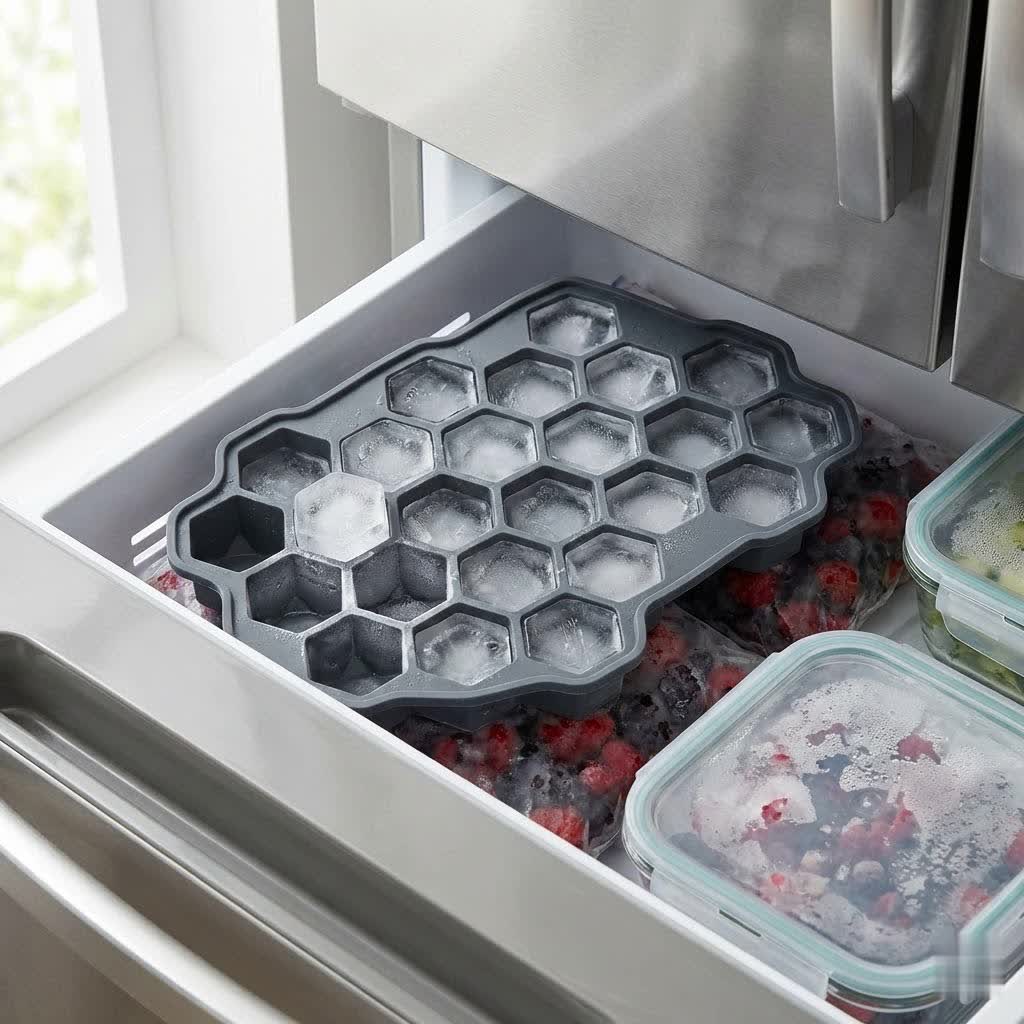
The quest for the perfect ice cube can be surprisingly complex. While seemingly a minor kitchen item, your ice tray plays a crucial role in enhancing beverages, preserving food, and even contributing to your overall well-being. If you’ve ever grappled with flimsy plastic trays or struggled with stubborn silicone, you understand the importance of a well-designed ice maker. Today, we’re diving deep into a classic reinvented: the Outset Stainless Steel Ice Tray with its iconic lever style. This review will explore why this robust, retro-inspired tray might be the ideal addition to your kitchen, blending nostalgic charm with modern health and environmental consciousness.
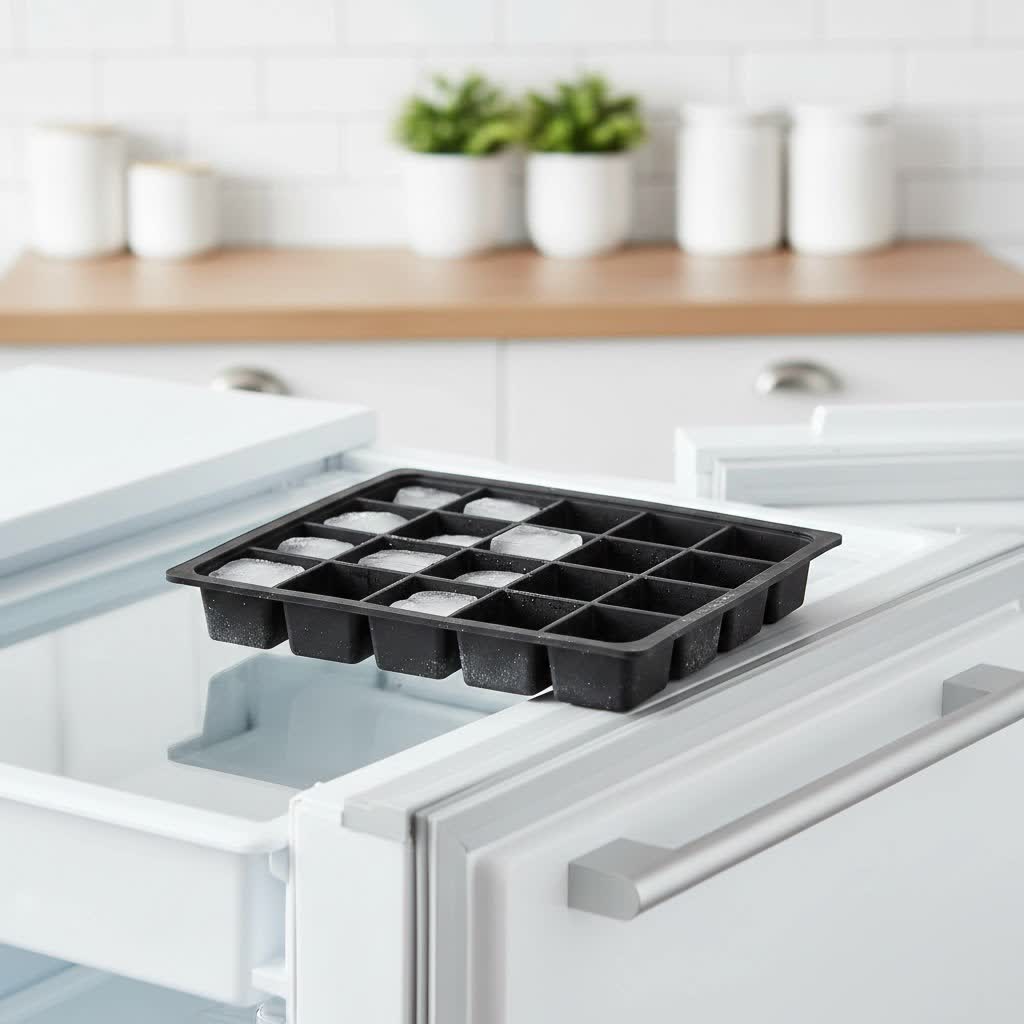
Understanding Ice Trays: More Than Just Frozen Water
At its core, an ice tray is a simple mold designed to freeze water into convenient cubes. Yet, its utility extends far beyond cooling drinks. From chilling cocktails and iced coffee to preserving herbs, baby food, or even homemade stocks, ice trays are versatile kitchen workhorses. The history of ice trays reflects innovation born from necessity; early forms included basic metal compartments, which evolved into the lever-release designs of the mid-20th century. While plastic trays dominated for decades due to their low cost and perceived convenience, a growing awareness of health and environmental impacts has led to a resurgence of interest in more sustainable and safer materials. Choosing the right ice tray isn’t just about making ice; it’s about investing in durability, hygiene, and a better freezing experience.
A Deep Dive into the Outset Stainless Steel Lever Style Ice Tray
The Outset Stainless Steel Ice Tray stands out in a market saturated with plastic and silicone options, offering a robust and elegant alternative. Its design pays homage to the vintage ice trays of the 1940s and 50s, combining a sturdy stainless steel construction with a clever lever mechanism for ice release.
What Makes It Stand Out: Material and Mechanism
Table is empty.At the heart of the Outset tray’s appeal is its construction from high-quality, food-grade stainless steel, typically 18/8. This material choice is significant, setting it apart from its plastic counterparts. Coupled with this is the classic lever-style release system, a nostalgic feature that many homeowners find both charming and effective.
The Appeal of Stainless Steel
- Durability and Longevity: Unlike plastic trays that crack, warp, or discolor over time, stainless steel is built to last a lifetime. It resists bending, breaking, and the wear and tear of daily freezer use, making it a truly “buy-it-for-life” product.
- Health and Safety: A major draw for many, stainless steel is entirely BPA-free, toxin-free, and lead-free. It won’t leach harmful chemicals into your ice or frozen foods, ensuring your beverages and culinary creations remain pure and safe for consumption. This non-reactive quality is why many consider it the healthiest material for ice trays.
- Environmental Benefits: For the eco-conscious consumer, stainless steel is a champion. It’s 100% reusable and recyclable, drastically reducing plastic waste in your home. Choosing a stainless steel tray contributes to a more sustainable kitchen.
- Efficient Freezing: Metal is an excellent conductor of cold. This means water freezes faster and more evenly in a stainless steel tray compared to plastic or silicone. Your ice cubes form quicker and often retain their chill for longer in your drinks.
- Ease of Cleaning: The Outset Stainless Steel Ice Tray is typically dishwasher safe, and its two-part design (tray and divider with lever) makes thorough cleaning simple. It’s also resistant to absorbing odors or stains, ensuring fresh-tasting ice every time.
The Lever Mechanism: A Blast from the Past, Reimagined
The lever-style ice tray, with its “Magic Touch” or “Honeycomb” designs, was a game-changer when it first appeared in aluminum versions in the late 1940s. Invented by Edward H. Roberts, it offered a significant improvement over earlier designs where ice stubbornly adhered to the tray. While plastic trays gained popularity in the 1970s for their flexibility, the lever mechanism in stainless steel trays has seen a resurgence for its efficient and satisfying ice release.
To use it, you simply pull the handle, and the internal divider mechanism gently cracks and lifts the ice cubes, theoretically releasing them with ease. This method prevents the need for twisting, banging, or prolonged thawing, which often leads to broken or half-melted cubes.
Outset Ice Tray in Action: Pros and Cons
Like any kitchen tool, the Outset Stainless Steel Ice Tray with a lever mechanism has its distinct advantages and a few considerations that users should be aware of.
Pros
- Sturdy, Premium Feel: From the moment you pick it up, the Outset tray exudes quality. Its solid construction provides a satisfying weight and a premium aesthetic that elevates your kitchen.
- Pure Taste, No Chemicals: Say goodbye to plastic-tainted ice. Stainless steel ensures that your ice cubes are free from unwanted odors and chemical leaching, preserving the true flavor of your drinks.
- Relatively Fast Freezing: Thanks to stainless steel’s excellent thermal conductivity, water freezes quickly and uniformly, meaning you’ll have ice ready sooner.
- Dishwasher Safe: Convenience is key, and the ability to toss the tray into the dishwasher makes cleanup a breeze, contributing to overall kitchen hygiene.
- Versatile Freezing: Beyond water, this tray is excellent for freezing perfectly portioned baby food cubes, herb purees, coffee, juice, or even bone broth, making it a multi-functional tool for meal prep and creative culinary endeavors.
Cons & Considerations
- Potential Difficulty in Ice Release: While the lever is designed for easy release, ice can sometimes stick, especially if the tray is overfilled or not given a brief moment to temper. Running the bottom of the tray under warm water for a few seconds is often recommended to loosen the cubes effectively.
- Risk of Ice Breaking: Forcing the lever without adequately loosening the ice can sometimes result in cubes coming out crushed or in pieces, rather than perfectly formed. Patience is a virtue with these trays.
- Cold to Handle: Being metal, the tray can be quite cold to the touch immediately after being removed from the freezer. Users might prefer to use a towel or quickly run it under water before handling.
- Higher Upfront Cost: Stainless steel trays typically command a higher price point than their plastic or silicone counterparts. However, their durability often translates to better long-term value, as they rarely need replacing.
- Requires Careful Filling: Overfilling the tray can impede the lever mechanism, making it difficult to operate and potentially causing damage. It’s important to fill just below the top of the dividers.
Comparison: Outset Stainless Steel vs. Other Ice Tray Types
Understanding how the Outset Stainless Steel Ice Tray stacks up against its competitors can help you make an informed decision. Here’s a quick comparison:
| Feature | Plastic Ice Tray | Silicone Ice Tray | Outset Stainless Steel (Lever Style) |
|---|---|---|---|
| Price | Low | Medium | High |
| Durability | Low (cracks, warps) | Medium | High (built to last) |
| Safety | Can leach BPA/BPS | Generally safe, but check for fillers | 100% Non-toxic, BPA-free |
| Ease of Release | Medium (twist) | High (flexible) | Medium (lever, may need thaw) |
| Cleaning | Easy (can stain/odor) | Easy (can absorb odors) | Easy (dishwasher safe, no odors) |
| Freeze Speed | Slow | Medium | Fast (due to metal conductivity) |
| Environmental Impact | High (single-use plastic) | Medium | Low (reusable, recyclable) |
While plastic trays are cheap and widely available, they often come with concerns about chemical leaching and a short lifespan. Silicone trays offer excellent flexibility for easy ice release and are generally safer than plastic, but some can absorb freezer odors and lack the rigidity for stable carrying. The Outset Stainless Steel Ice Tray offers superior durability and safety, freezes efficiently, and has a unique aesthetic, though it demands a specific technique for optimal ice release.
Tips for Optimal Use and Care of Your Outset Stainless Steel Ice Tray
To get the most out of your Outset Stainless Steel Ice Tray and ensure it lasts a lifetime, here are some expert tips:
- Don’t Overfill: Fill the tray just below the top of the dividers. This prevents ice from freezing over the lever mechanism and makes for easier release.
- The “Warm Water” Trick: If ice cubes are sticking, run the bottom of the tray under cold or lukewarm water for just 3-4 seconds. This slight thaw creates a thin layer of water, allowing the ice to release more easily when the lever is pulled. Avoid hot water, which can melt too much ice.
- Pull Gently: When releasing, pull the lever firmly but gently. Don’t force it, especially if the cubes feel completely stuck, as this could bend the mechanism. If resistance is high, give it a few more seconds under warm water.
- Clean Regularly: While stainless steel resists odors and stains, it’s good practice to wash your tray after each use. It’s typically dishwasher safe, or you can hand wash it with warm, soapy water.
- Store Properly: Store the tray in a dry place when not in use. When in the freezer, consider stacking them to save space, if your model allows.
- Get Creative: Remember its versatility! Use it for freezing leftover coffee for iced lattes, pureed herbs in olive oil, fruit juice concentrates, or even small portions of homemade stock for quick meal additions.
Conclusion
The Outset Stainless Steel Ice Tray with its classic lever style offers a compelling blend of durability, health-conscious design, and vintage charm. While it may require a slightly different approach to ice release than modern flexible trays, its numerous advantages — from its non-toxic material and eco-friendly nature to its robust construction and efficient freezing — make it an outstanding investment for any kitchen. For those seeking to upgrade from flimsy plastic or odor-absorbing silicone, this timeless piece provides a superior experience that will last for years to come. Isn’t it time to embrace a more sustainable and satisfying way to make ice?
Frequently Asked Questions
Is stainless steel the healthiest material for ice cube trays?
Yes, stainless steel is widely considered the healthiest material for ice cube trays. It is non-reactive, non-toxic, and free from harmful chemicals like BPA, BPS, and phthalates, ensuring that no unwanted substances leach into your ice or frozen foods.
How do I get ice cubes out of a stainless steel lever-style tray easily?
For easy release, fill the tray properly without overfilling. If the ice sticks, run the bottom of the tray under cold or lukewarm water for 3-5 seconds. This slight warming helps to loosen the cubes, allowing the lever mechanism to separate and lift them with a gentle pull.
Do stainless steel ice trays freeze faster than plastic or silicone?
Yes, stainless steel is an excellent conductor of temperature, which means it transfers cold more efficiently. This often results in water freezing faster and more uniformly in a stainless steel tray compared to less conductive materials like plastic or silicone.
Are stainless steel ice trays prone to rusting?
High-quality, food-grade stainless steel (like 18/8) is designed to be rust-resistant. With proper care and cleaning, your stainless steel ice tray should remain free from rust for its lifetime. Always ensure it’s completely dry before storing for extended periods.
Can I freeze things other than water in my Outset stainless steel ice tray?
Absolutely! Stainless steel ice trays are highly versatile. You can use them to freeze fruit juices, coffee, herbal purees in olive oil, homemade stocks, baby food portions, or even small desserts, without worrying about staining or odor absorption.