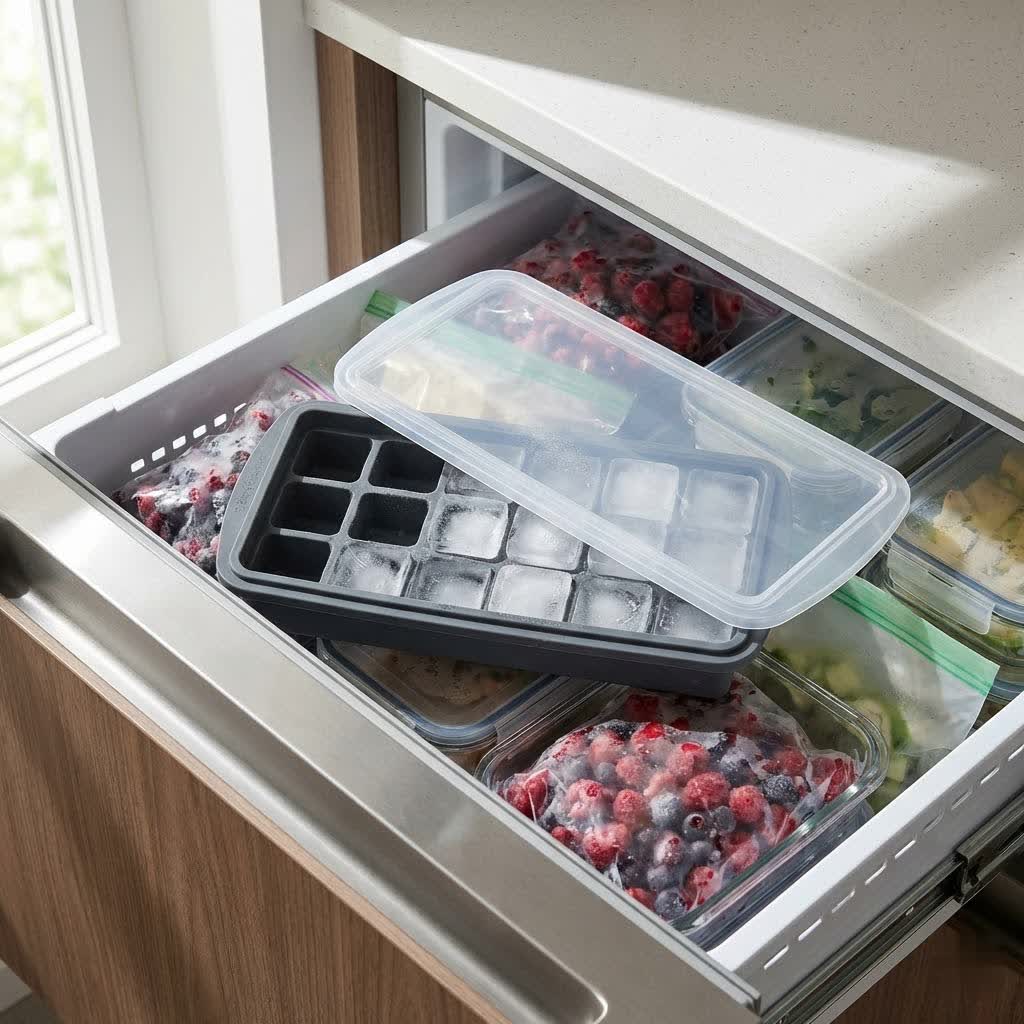
There’s nothing quite as satisfying as a perfectly clear, refreshing ice cube chilling your favorite beverage. But if you’ve noticed a cloudy, white film clinging stubbornly to your silicone ice trays, you’re not alone. This common issue can make your ice look unappetizing and leave you wondering about its cause and how to remove it. As someone who has spent over a decade evaluating household products, especially ice-related items, I’ve seen countless silicone ice trays develop this pesky residue. This comprehensive guide will equip you with the knowledge and techniques to effectively remove white residue from your silicone ice trays and keep them pristine, ensuring your ice is always crystal clear.
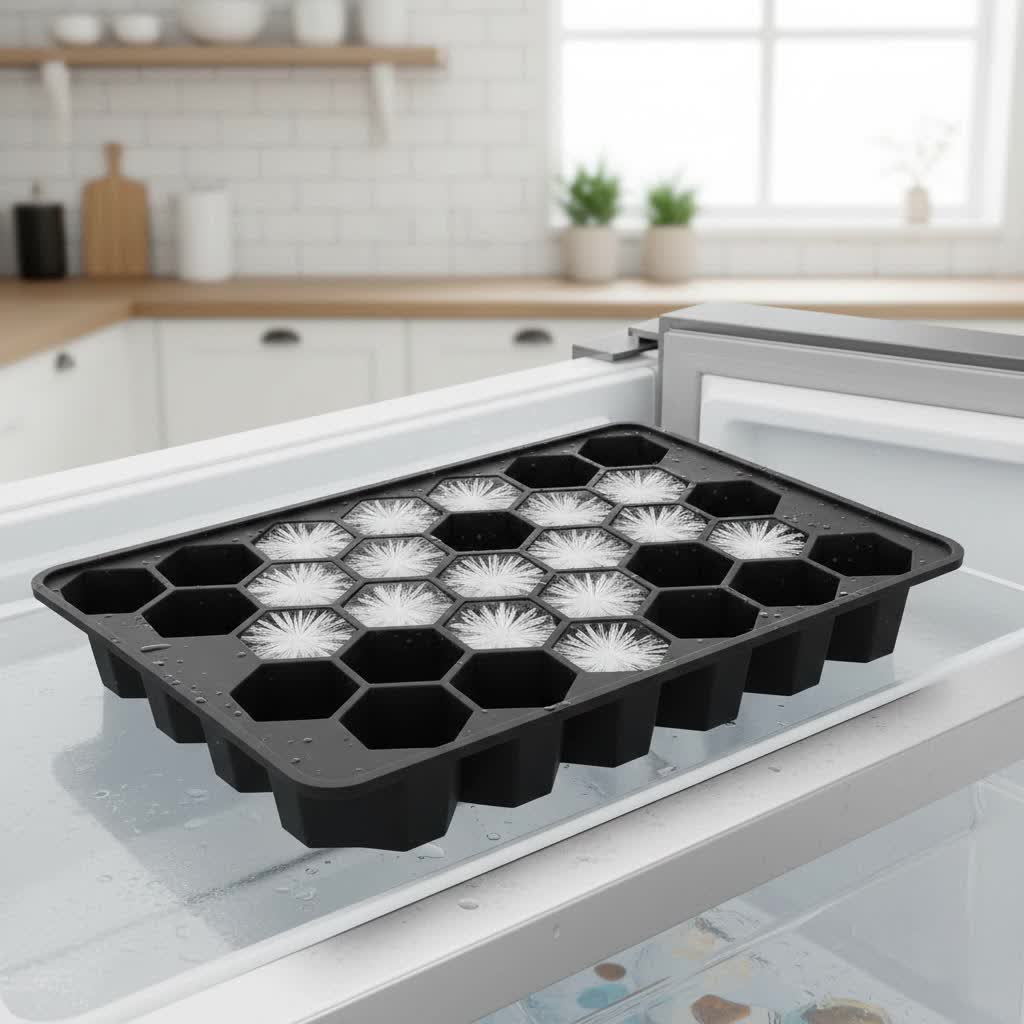
What’s That White Residue? Understanding the Cause
The white residue you see on your silicone ice trays is typically caused by mineral deposits from hard water. Tap water, even filtered varieties, often contains dissolved minerals like calcium and magnesium, which are collectively known as “hard water.” When this water freezes and then slowly melts or evaporates from the tray, these minerals are left behind, forming a white, chalky film. This is essentially limescale, similar to what you might find in a kettle or on showerheads.
While hard water is the primary culprit, white residue can also stem from soap scum if your trays aren’t thoroughly rinsed after washing, especially if they’ve been through a dishwasher. Dishwasher detergents can sometimes leave a film, particularly when combined with hard water. Rest assured, these mineral deposits are generally considered harmless for consumption, as you’re already drinking these minerals in your water. However, they are certainly unappealing and can transfer to your ice cubes, affecting clarity and potentially taste.
Step-by-Step Guide to Removing White Residue from Silicone Ice Trays
Tackling this white film is simpler than you might think. Here are the most effective methods, from gentle soaks to more intensive cleaning for stubborn buildup.
Method 1: The Vinegar Soak – Your Go-To Solution
White vinegar is a natural acid that excels at dissolving mineral deposits. It’s often the first and most effective step to removing white residue from silicone ice trays.
-
Materials Needed: White vinegar, warm water, a large bowl or sink, a soft brush or sponge.
-
Instructions:
- Prepare the Soak: Fill your bowl or sink with warm water. Add an equal amount of white vinegar, creating a 1:1 solution. For example, if you use 4 cups of warm water, add 4 cups of white vinegar.
- Submerge Trays: Place your silicone ice trays into the vinegar-water solution, ensuring they are fully submerged.
- Soak: Let the trays soak for at least 30 minutes. For heavily soiled trays, you can extend the soaking time to an hour or even overnight. You might observe small bubbles forming, indicating the acid is working to break down the minerals.
- Scrub and Rinse: After soaking, remove the trays and use a soft brush or sponge to gently scrub away any remaining residue. Pay close attention to individual ice cube compartments.
- Final Rinse: Rinse the trays thoroughly under running water to remove any vinegar smell or loosened residue. Ensure no soapy or vinegary smell lingers before drying.
-
Why it works: The acetic acid in vinegar reacts with the calcium and magnesium carbonates in limescale, breaking them down into soluble salts that can be easily rinsed away.
Method 2: Baking Soda Power for Stubborn Stains
If vinegar alone doesn’t entirely clear the residue, or for particularly stubborn spots, baking soda can provide an abrasive boost without damaging the silicone.
-
Materials Needed: Baking soda, a small amount of water, a soft brush or sponge.
-
Instructions:
- Create a Paste: In a small bowl, mix a few tablespoons of baking soda with just enough water to form a thick paste.
- Apply to Residue: Apply the baking soda paste directly to the areas of your silicone ice trays with persistent white residue.
- Let it Sit: Allow the paste to sit on the residue for 15-20 minutes, giving it time to work.
- Scrub Gently: Using your soft brush or sponge, gently scrub the paste into the residue. The mild abrasive nature of baking soda will help lift the remaining film.
- Rinse Thoroughly: Rinse the trays completely under warm water, ensuring all baking soda and dissolved residue are gone.
-
Why it works: Baking soda (sodium bicarbonate) is a mild alkali and a gentle abrasive. It can help physically scrub away deposits while also reacting with certain types of residue.
Method 3: Boiling for a Deep Clean
Boiling is an excellent way to loosen stubborn mineral deposits and sanitize your silicone ice trays. This method is especially effective if the residue is deep within the silicone.
-
Materials Needed: A large pot, water, (optional: a splash of vinegar).
-
Instructions:
- Fill the Pot: Fill a large pot with enough water to fully submerge your ice trays.
- Add Vinegar (Optional): For an extra powerful clean, add a cup of white vinegar to the water.
- Boil Trays: Bring the water to a rolling boil. Carefully place your silicone ice trays into the boiling water using tongs.
- Boil Time: Let the trays boil for 5-10 minutes. The heat will soften and loosen mineral buildup.
- Cool and Rinse: Carefully remove the trays from the hot water and let them cool sufficiently to handle. Once cool, scrub any remaining residue with a soft brush or sponge and rinse thoroughly under running water.
-
Why it works: High heat helps to expand the silicone and loosen the grip of the mineral deposits, making them easier to remove. The added vinegar boosts the descaling process.
Alternative Acids: Lemon Juice and Citric Acid
If the smell of vinegar is off-putting, or you’re looking for an alternative, lemon juice or citric acid can serve as effective natural descalers.
- Lemon Juice: You can use fresh lemon juice or bottled lemon juice diluted with an equal part of water. Apply it using the same soaking or paste method as vinegar or baking soda. It’s particularly useful for leaving a fresher scent.
- Citric Acid: A common food additive and cleaning agent, citric acid powder can be dissolved in warm water to create a powerful descaling solution. Follow similar soaking instructions to vinegar.
Expert Recommendations for Maintaining Your Silicone Ice Trays
Preventing white residue from forming in the first place is the easiest way to keep your silicone ice trays looking their best. Here are some pro tips from years of experience in the field:
- Use Filtered or Distilled Water: The most effective way to prevent mineral buildup is to use water with fewer dissolved minerals. While standard Brita-type filters reduce impurities like chlorine, they often don’t remove hard water minerals. Consider using distilled water, reverse osmosis (RO) filtered water, or a specialized filter like a Zero Water pitcher that specifically targets dissolved solids. This dramatically reduces the mineral content available to leave residue.
- Regular Cleaning is Key: Don’t wait until the white residue is severe. Incorporate a quick vinegar rinse or a full soak into your regular cleaning routine, perhaps once a month or every few weeks, depending on your water hardness and usage.
- Rinse Thoroughly After Washing: If you wash your trays with dish soap, ensure they are completely rinsed to remove all soap film. Dishwasher use can sometimes exacerbate residue issues, so consider handwashing with an acidic rinse.
- Towel Dry: After washing and rinsing, thoroughly dry your silicone ice trays with a clean towel. Air drying allows water droplets to evaporate, leaving behind any residual minerals as white spots.
- Consider Detergent Type: If you use a dishwasher, some users find that gel detergents leave less residue than powder forms, especially in hard water areas.
“The secret to consistently clear ice isn’t just about the initial clean, it’s about making smart choices with your water source and establishing a simple, regular cleaning ritual. Prevention truly is easier than cure when it comes to hard water residue.” – Admin, ReviewYo.com
Conclusion
White residue on your silicone ice trays might seem like a persistent problem, but with the right approach, it’s easily conquerable. By understanding that hard water minerals and occasional soap scum are the culprits, you can effectively tackle the buildup using simple household solutions like vinegar, baking soda, lemon juice, or even boiling water. More importantly, by adopting preventive measures such as using filtered water and establishing a consistent cleaning routine, you can ensure your silicone ice trays remain spotless and your ice cubes are always crystal clear. Don’t let unsightly residue diminish your enjoyment of a perfectly chilled drink; take action today to restore your trays to their sparkling best. What steps will you take to keep your ice trays pristine?
Frequently Asked Questions
What causes white film on silicone ice cube trays?
The white film is primarily caused by mineral deposits from hard water, such as calcium and magnesium, which are left behind as water freezes and evaporates. It can also be a result of soap scum if trays are not rinsed thoroughly after washing.
Is the white residue on ice trays harmful to health?
While visually unappealing, the white residue, which is mainly mineral buildup (limescale), is generally not considered harmful for consumption. These are the same minerals present in your drinking water.
How often should I clean my silicone ice trays?
The frequency depends on your water hardness and how often you use the trays. For best results, a quick rinse with a vinegar solution once a week or a thorough descaling soak every few weeks is recommended to prevent significant buildup.
Can I put silicone ice trays with white residue in the dishwasher?
While many silicone trays are dishwasher-safe, the high heat and detergents, especially in hard water areas, can sometimes contribute to residue buildup or fail to remove existing scale effectively. Handwashing with an acidic cleaner is often more effective for removal.
What kind of water should I use to prevent mineral buildup in ice trays?
To prevent white residue, use distilled water or water filtered through a reverse osmosis (RO) system or a specialized pitcher filter that removes dissolved solids. Standard charcoal filters may not remove the minerals that cause the residue.