There’s a universally frustrating kitchen moment many of us have faced: battling a stiff plastic ice tray, desperately trying to pry out a few cubes for a refreshing drink. You twist, you turn, you even bang it on the counter, only to end up with a few shattered shards or, worse, nothing at all. It’s a minor inconvenience that can quickly dampen your spirits, but it doesn’t have to be a daily struggle. If you’ve ever wondered how to effortlessly pop ice out of those stubborn plastic trays, you’re in the right place. We’ll explore the science behind sticky ice and arm you with proven techniques and preventative measures, transforming your ice cube retrieval from a wrestling match into a simple snap.
The Frustration of Stuck Ice: Why It Happens
Before we dive into solutions, understanding why ice clings so stubbornly to plastic can shed light on the best ways to release it. It’s not just bad luck; several factors contribute to this frosty frustration.
Firstly, water isn’t just H2O. It contains minerals like calcium carbonate, which can accumulate in the microscopic pores and scratches of your plastic tray. When water freezes, these minerals can act like tiny anchors, bonding the ice more firmly to the plastic surface. Over time, these deposits can build up, making the problem progressively worse.
Secondly, the act of freezing itself plays a role. As water transforms into ice, it expands. This expansion forces the ice into every tiny crevice and imperfection of the plastic tray, creating a tight seal. Furthermore, a phenomenon known as the “vacuum effect” can occur when you try to pull a cube out, where the air pressure difference resists release, effectively holding the ice in place. If you stack trays in the freezer, the pressure from the top tray can actually impede the expansion of the ice in the bottom tray, causing it to freeze in a way that “locks” it more securely into its compartments. When ice freezes from the bottom up, as often happens in stacked trays, it can become more brittle and prone to shattering when forced.
Instant Relief: Quick Fixes for Stuck Ice Cubes
When you need ice now and your tray is putting up a fight, these immediate solutions can help you quickly release those frozen cubes without fuss.
The most common and effective trick involves a bit of temperature magic. Take your stiff plastic tray and briefly run cool tap water over the underside for about 5 to 10 seconds. The slight warmth from the water causes the plastic to expand ever so slightly, helping to break the bond between the ice and the tray. It’s crucial to use cool water, not hot, to avoid melting the ice or damaging your tray. You might even hear a subtle crackle as the ice begins to loosen.
Once you’ve given it a quick rinse, twist the tray gently but firmly along its longest side. Hold one end in each hand and flex them in opposite directions. This twisting motion introduces tiny air pockets between the ice and the plastic, further assisting in the release. Often, several cubes will pop out instantly into your waiting bowl or glass.
For any particularly stubborn individual cubes that remain, you can try a targeted approach. Place an index or middle finger directly under the specific ice cube on the bottom of the tray and push upwards. With enough pressure, the cube should pop out into your hand. Alternatively, if multiple cubes are still stuck, try turning the tray upside down over a bowl and giving it a few firm but controlled taps on the bottom.
In cases of extreme stickiness, a warm water bath can be a savior. Fill a baking pan with about an inch of warm (not hot) water. Carefully place the bottom of your ice tray into the water, ensuring no water spills over the top into the ice cubes themselves. Let it sit for about a minute. The warmth will slightly melt the outer layer of the ice, reducing its grip on the plastic. Remove the tray, invert it over a bowl, and give it a good twist. The cubes should release much more easily.
Beyond the Pop: Advanced Tips for Stubborn Trays
While the immediate fixes are great for a quick solution, a few proactive steps can significantly reduce how often you encounter stuck ice in the first place.
One of the simplest preventative measures is to avoid overfilling your ice trays. When you fill compartments right to the brim, the expanding ice can create a solid block across the top, making it harder for individual cubes to separate and release. Leaving a little space allows for expansion and better cube definition.
The quality of your water also makes a difference. As mentioned, minerals in tap water contribute to stickiness. Using filtered water or even pre-boiled water can help. Boiling water before freezing helps remove dissolved gases and some impurities, resulting in clearer ice that tends to stick less. Allow the boiled water to cool completely before pouring it into your trays.
Regular cleaning is paramount. Clean your plastic ice trays thoroughly after every few uses to prevent the buildup of mineral deposits and odors. Soaking them in a mixture of water and vinegar or a baking soda paste can effectively remove these residues, restoring the tray’s surface and promoting easier ice release. Ensure you rinse them well afterwards.
Finally, consider your freezer arrangement. If you have the space, avoid stacking your plastic ice trays directly on top of each other. Allowing air circulation around the trays can lead to more even freezing and reduce the “locking” effect that occurs when ice is compressed during expansion. This simple adjustment can often make a noticeable difference.
A Look at Alternatives: When to Upgrade Your Ice Tray
Sometimes, the best solution to a persistent problem is to rethink your tools. While plastic trays are affordable and ubiquitous, their rigidity is often the root cause of sticking issues.
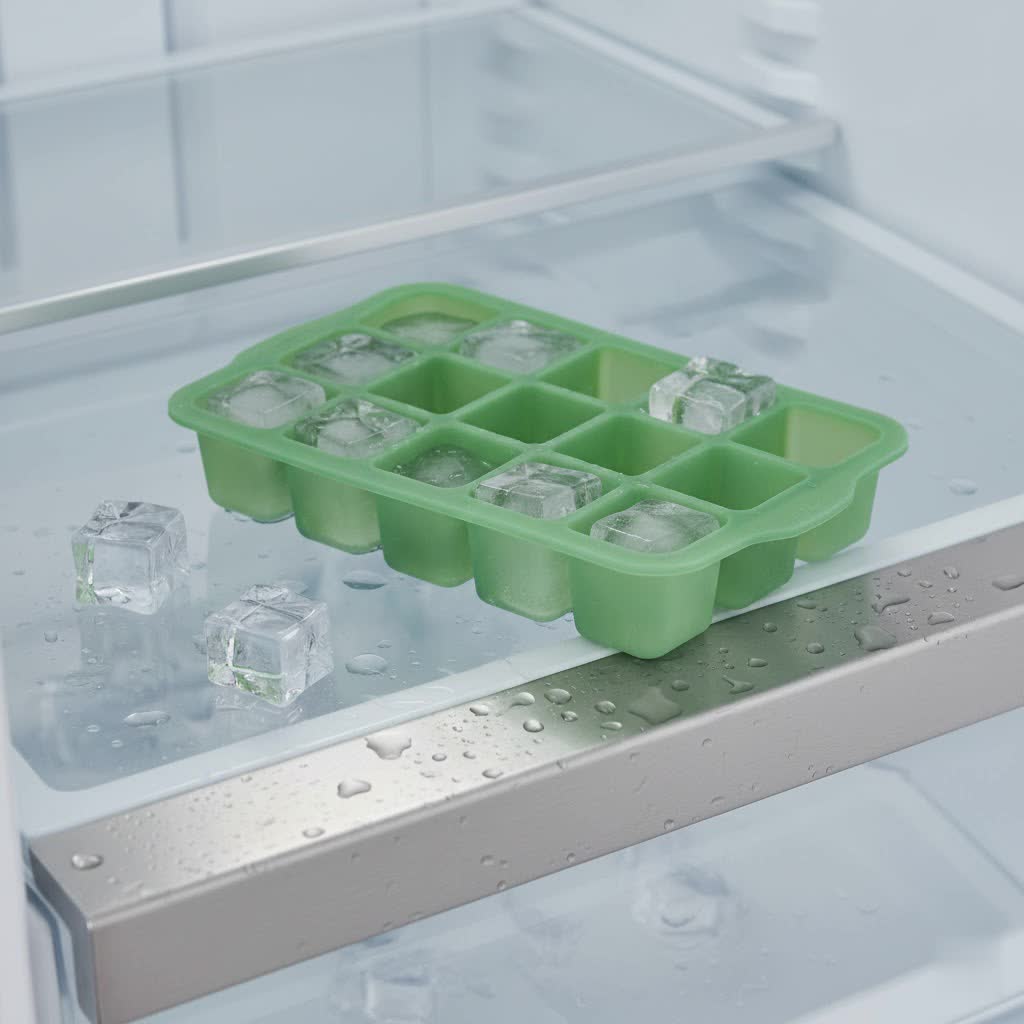
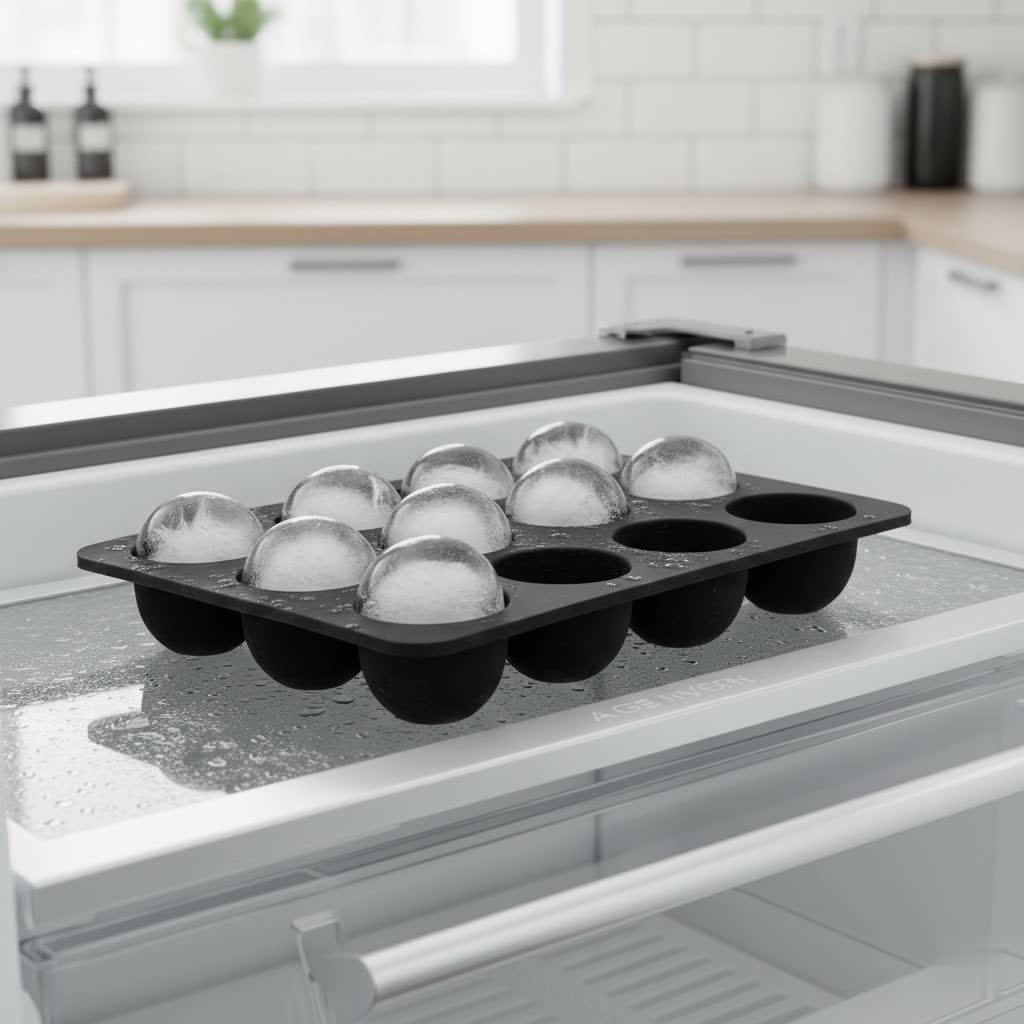
For truly effortless ice release, silicone ice trays are a popular and highly recommended alternative. Their inherent flexibility allows you to easily push individual cubes from the bottom with minimal effort, eliminating the need for twisting or banging. Silicone is also generally BPA-free, durable, and can withstand a wide range of temperatures. Many silicone trays also come with reinforced rims or lids to prevent spills and freezer odors.
While less common for standard cubes, stainless steel ice trays offer exceptional durability and a non-toxic freezing solution. Though they can sometimes require a brief wait or twist to release cubes, many modern designs incorporate levers or mechanisms to aid in extraction. They are an eco-friendly option that can last a lifetime.
When choosing a new tray, look for designs that prioritize ease of use. Trays with built-in lids are fantastic for preventing spills and keeping your ice free from freezer smells. Some even feature unique “easy-release” designs, such as a soft silicone bottom for each cube within a more rigid frame, combining stability with flexibility.
“For consistent ease and hygiene, investing in a high-quality silicone ice tray is a game-changer for any home kitchen. The flexibility makes a real difference.”
Conclusion
Say goodbye to the struggle and hello to perfectly popped ice cubes! While stiff plastic ice trays can certainly test your patience, remember that a few simple techniques can turn the tide. From the quick fix of a cool water rinse and a gentle twist to proactive measures like proper filling and regular cleaning, you now have the knowledge to conquer even the most stubborn trays. And if the battle persists, perhaps it’s time to explore the world of flexible silicone or durable stainless steel.
Ultimately, the goal is effortless refreshment. What’s your go-to trick for getting ice out of a sticky tray, or have you already made the switch to a new favorite?
Frequently Asked Questions
Why do my ice cubes keep sticking to the plastic tray?
Table is empty.Ice cubes often stick due to mineral deposits from water building up in the plastic’s pores, the expansion of freezing water creating a tight seal, and a vacuum effect that resists release. Stacking trays can also contribute by hindering proper ice expansion.
Is it better to twist or tap a plastic ice tray to release cubes?
Twisting the tray is generally more effective as it introduces air between the ice and the plastic, breaking the seal. Tapping can help for a few remaining stubborn cubes, but twisting should be your first approach.
Can running hot water on the ice tray help release the cubes?
While warm water can help, it’s best to use cool water on the underside of the tray. Hot water can melt the ice quickly, leading to wasted cubes, and may not be ideal for the long-term integrity of some plastic trays. For very stubborn trays, a brief warm water bath for the bottom of the tray is a controlled method.
How can I prevent ice from sticking in my plastic trays in the future?
To prevent sticking, avoid overfilling trays, use filtered or pre-boiled water, clean your trays regularly to remove mineral buildup, and avoid stacking trays in the freezer to allow for proper ice expansion.