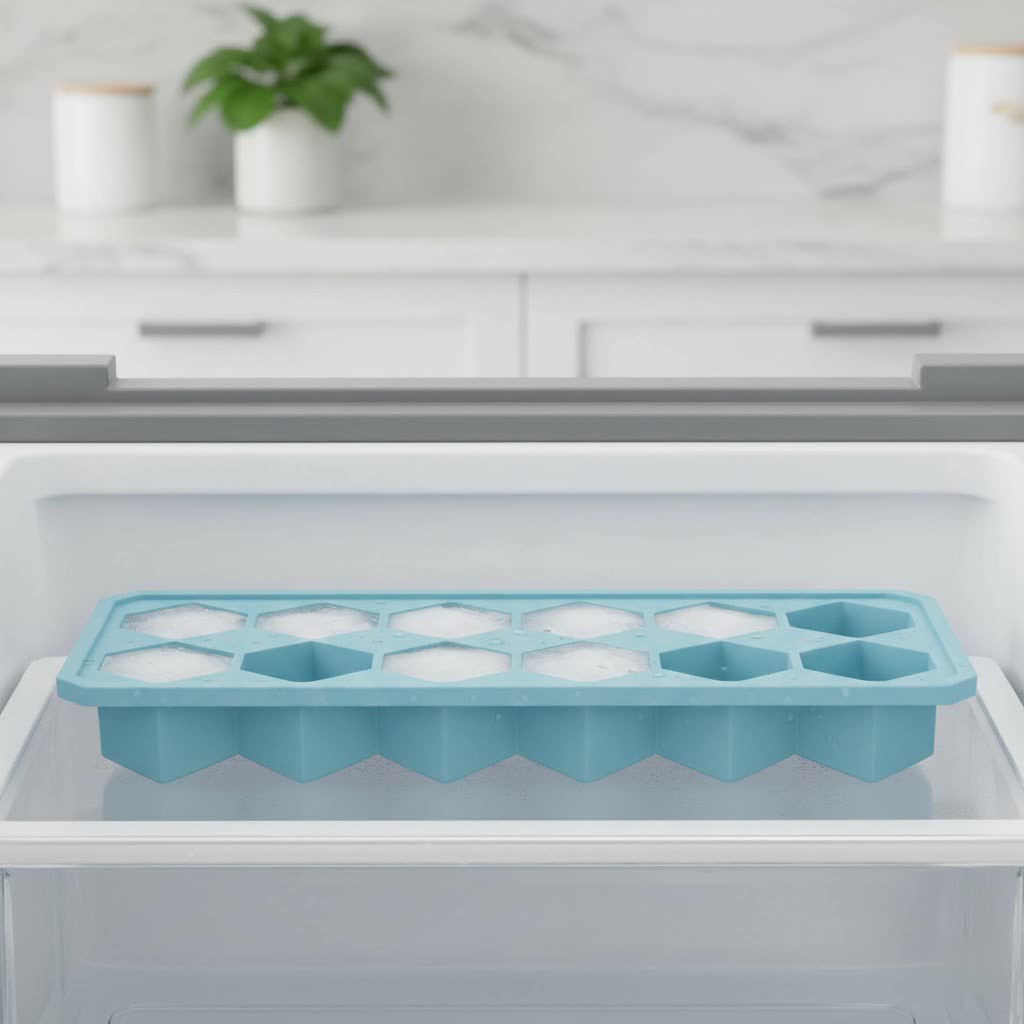
Imagine serving a perfectly crafted cocktail, the spirits gleaming through a pristine, crystalline ice cube. The difference between a cloudy, quickly melting ice cube and a truly transparent one is profound, elevating your beverage experience from ordinary to extraordinary. Far from a secret reserved for high-end bars, creating crystal clear ice at home is an achievable feat, enhancing not just the look but also the taste and longevity of your drinks. If you’ve ever wondered how to replicate that professional touch in your own kitchen, this comprehensive guide will walk you through the simple yet effective methods to achieve ice that’s as pure as it is captivating.
The Science Behind Cloudy vs. Crystal Clear Ice
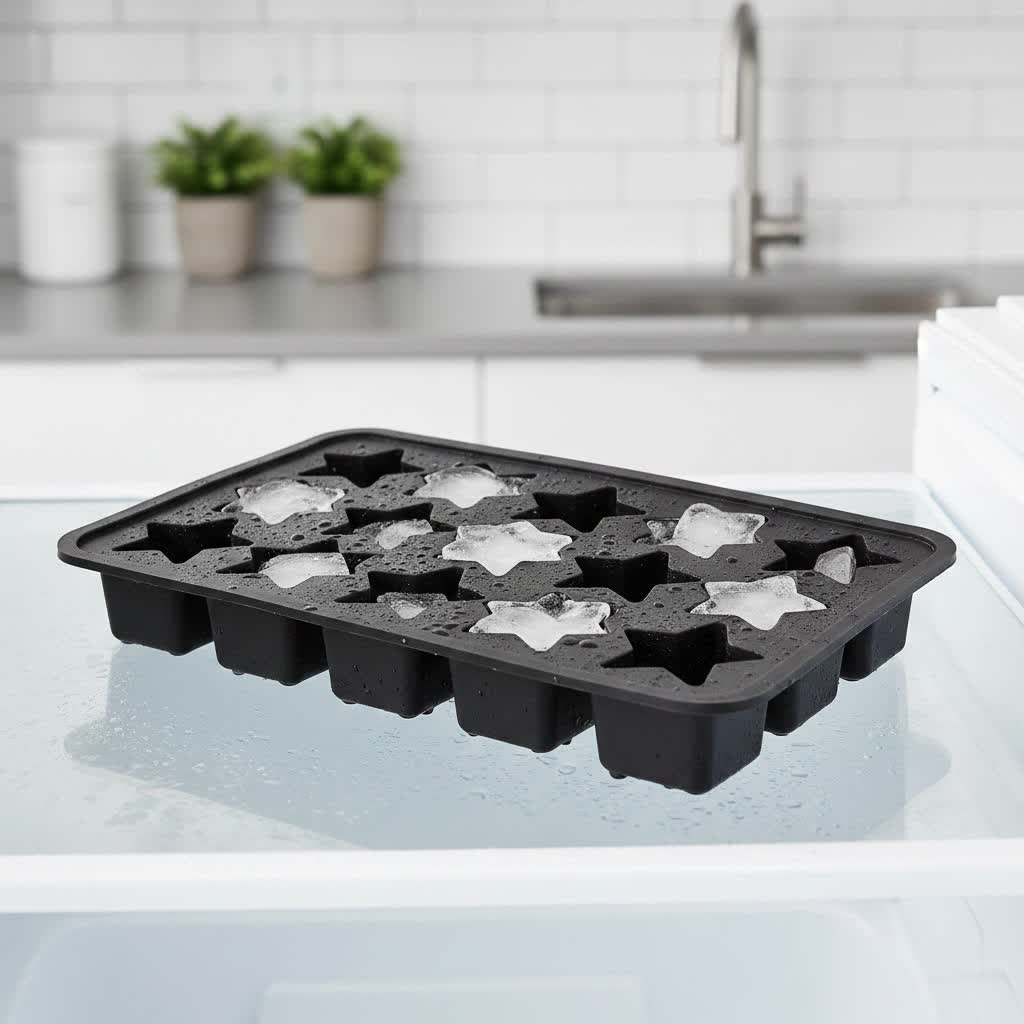
Regular ice from your freezer often appears cloudy, marred by an opaque, whitish core. This common phenomenon is primarily due to two factors: trapped air bubbles and dissolved impurities. As water freezes in a standard ice tray, it typically freezes from all directions simultaneously – the top, bottom, and sides. This rapid, multi-directional freezing traps dissolved gases (like oxygen and nitrogen) and minerals present in tap water, pushing them towards the center where they become concentrated and visible as a cloudy core. When these impurities are encapsulated, they disrupt the formation of a uniform, crystalline structure, leading to an opaque appearance.
Crystal clear ice, on the other hand, is the result of a process called “directional freezing.” The principle is elegantly simple: by controlling the direction in which water freezes, impurities and air bubbles are systematically pushed out of the forming ice. Think of a frozen lake, which often has a clear surface because it freezes from the top down, allowing dissolved gases and solids to be forced downwards into the unfrozen water below. When ice freezes slowly and from a single direction, water molecules align perfectly into a dense, ordered crystal lattice, leaving no room for air pockets or mineral deposits. This controlled freezing process is the key to unlocking the stunning clarity of professional-grade ice.
Essential Tools & Ingredients for DIY Clear Ice
You don’t need a high-tech ice machine to craft beautiful clear ice. Many of the tools are likely already in your kitchen.
- Water: While some advocate for distilled or filtered water, standard tap water can work effectively when combined with directional freezing. Boiling tap water can help remove some dissolved gases, but its impact on clarity is less significant than directional freezing.
- Insulated Container: A small, hard-sided cooler is the most popular and effective choice for directional freezing. Alternatively, any large plastic food storage container can be used if insulated with towels.
- Freezer: Your standard home freezer is all you need.
- Pot or Kettle: If you choose to boil your water (optional).
- Serrated Knife or Ice Pick: For carving the large block of clear ice into individual serving sizes. A small mallet can also be useful for breaking larger pieces.
- Cutting Board: A stable surface for carving.
The Ultimate DIY Method: Directional Freezing with a Cooler
The cooler method is widely regarded as the most effective and accessible way to produce crystal clear ice at home. It leverages the principle of directional freezing to mimic how natural bodies of water freeze.
Step 1: Prepare Your Water
Table is empty.Start with clean water. While some sources suggest boiling water twice to remove dissolved gases, many find excellent results with unboiled tap water, especially when using the directional freezing method. If you do choose to boil, bring your water to a rolling boil, let it cool completely, and then repeat the process. This step can help reduce some impurities and gases, contributing to slightly better clarity.
Step 2: Set Up Your Cooler
Select a small, hard-sided cooler that fits comfortably in your freezer. Fill the cooler with water, leaving about an inch or two of space from the top to allow for expansion as the water freezes. Do not put the lid on the cooler. The insulation of the cooler’s sides and bottom, combined with the open top, forces the water to freeze slowly from the exposed surface downwards, directing impurities to the bottom.
Step 3: The Freezing Process
Place the open cooler filled with water into your freezer. The slow, directional freezing process typically takes between 18 to 24 hours, though this can vary based on your freezer’s temperature and the size of your cooler. As the water freezes from the top, air bubbles and dissolved solids are pushed downwards into the remaining liquid at the bottom of the cooler. It’s crucial not to let the entire block freeze solid; you want a clear top layer with a cloudy, unfrozen (or partially frozen and cloudy) layer at the bottom.
Step 4: Extracting Your Clear Ice
After 18-24 hours, carefully remove the cooler from the freezer. Invert the cooler onto a sturdy cutting board. A block of mostly clear ice will slide out, often with a cloudy, slushy, or partially frozen layer at the bottom. This cloudy section is where all the impurities and trapped air have gathered. Use your serrated knife to carefully score and then cut away the cloudy portion, leaving you with a beautiful, transparent slab of ice.
Step 5: Shaping and Storing
Now you have a large block of crystal clear ice. Use your serrated knife to cut it into desired shapes – large cubes for whiskey, longer spears for highball glasses, or smaller chunks for general use. For more intricate shapes like spheres, you can use specialized clear ice molds after you’ve achieved a clear block. Once cut, store your clear ice in an airtight container or a freezer-safe bag to prevent it from absorbing freezer odors and to maintain its clarity.
Alternative Methods for Clear Ice
While the cooler method is highly effective, other approaches can also yield clear ice, with varying degrees of success and convenience.
- Boiling Water Twice (in regular trays): As mentioned, boiling water can reduce dissolved gases. Pouring boiled and cooled water into standard ice trays, then covering them with plastic wrap to minimize additional air exposure, can result in slightly clearer ice than unboiled tap water. However, this method typically won’t achieve the flawless clarity of directional freezing, as water still freezes from multiple directions.
- Using Dedicated Clear Ice Molds: The market now offers several ingenious clear ice molds, such as True Cubes, OnTheRocks, ClearlyFrozen, and Wintersmiths. These products are designed based on the directional freezing principle. They usually feature an insulated outer container and a silicone mold with an open bottom, forcing the ice to freeze from the top down and pushing impurities into a reservoir below. These molds offer convenience and consistency, often producing perfect cubes or spheres directly, though they can be a pricier investment.
Benefits of Using Crystal Clear Ice
Beyond its striking appearance, crystal clear ice offers tangible advantages for your beverages.
- Elevated Aesthetics: There’s no denying the visual appeal. Crystal clear ice adds a touch of sophistication and professionalism to any drink, making your homemade cocktails look as good as they taste.
- Slower Dilution: Because clear ice is denser and contains fewer air pockets, it melts significantly slower than cloudy ice. This means your drink stays perfectly chilled without becoming watered down too quickly, allowing you to savor its true flavor profile for longer.
- Purer Taste: Cloudy ice can sometimes impart off-flavors from trapped minerals or freezer odors. Clear ice, being free of these impurities, ensures that only the pure taste of your beverage comes through, enhancing your drinking experience.
- Enhanced Chilling: Due to its density, clear ice maintains colder temperatures more effectively, keeping your drinks refreshingly cold for extended periods.
Pro Tips for Perfect Clear Ice
Achieving consistently clear ice is a satisfying endeavor. Here are a few expert tips to refine your technique:
- Don’t Overfill: When using a cooler or a dedicated mold, leave adequate space for water expansion. Overfilling can lead to cracking or uneven freezing.
- Warm Water Start (Cooler Method): Some enthusiasts recommend starting with warm or even hot water in the cooler. This slows the initial freezing process even further, providing more time for gases to escape and impurities to settle, potentially leading to even clearer results.
- Patience is Key: The beauty of clear ice lies in its slow formation. Resist the urge to rush the freezing process by adjusting your freezer to its coldest setting, as this will lead to cloudiness.
- Airtight Storage is a Must: Once you’ve harvested and shaped your clear ice, transfer it immediately to an airtight container or zip-top bag in the freezer. This prevents surface frost and protects the ice from absorbing any unwanted odors from other foods in your freezer.
Conclusion
Creating crystal clear ice at home is more than just a culinary trick; it’s an art that significantly enhances your drinking experience. By understanding the simple science behind directional freezing and employing methods like the cooler technique, you can easily elevate your home bar with stunning, slow-melting ice that preserves the integrity and flavor of your favorite beverages. It’s a small effort that yields a remarkable difference, turning every sip into a moment of pure enjoyment. So, why not give it a try and transform your ordinary ice into extraordinary crystal gems? What will be the first cocktail you’ll serve with your homemade clear ice?
Frequently Asked Questions
Is boiling water really necessary for clear ice?
While boiling water can help reduce dissolved gases and lead to slightly clearer ice, it’s not strictly necessary. The primary factor in achieving crystal clarity is directional freezing, which pushes impurities and air bubbles out of the ice as it forms slowly from one direction.
How long does it take to make clear ice?
Using the directional freezing method with a cooler, it typically takes 18 to 24 hours to produce a solid block of clear ice. The exact time can vary depending on your freezer’s temperature and the size of your container.
Can I use tap water to make clear ice?
Yes, you can absolutely use tap water to make clear ice. The directional freezing method is highly effective at pushing out the impurities and air bubbles commonly found in tap water, resulting in clear ice even without boiling or filtering.
Why is my clear ice still cloudy?
If your clear ice is still cloudy, it’s usually because the water froze too quickly or from multiple directions. Ensure your directional freezing setup (like the cooler method) is effectively insulating all sides except the top, and allow sufficient time for slow freezing.
What’s the best type of mold for clear ice?
The “best” mold depends on your preference. For large, customizable blocks, a small, hard-sided cooler is excellent for DIY directional freezing. For convenience and consistent shapes, dedicated clear ice molds (e.g., True Cubes, OnTheRocks, Wintersmiths) that utilize directional freezing principles are highly recommended.