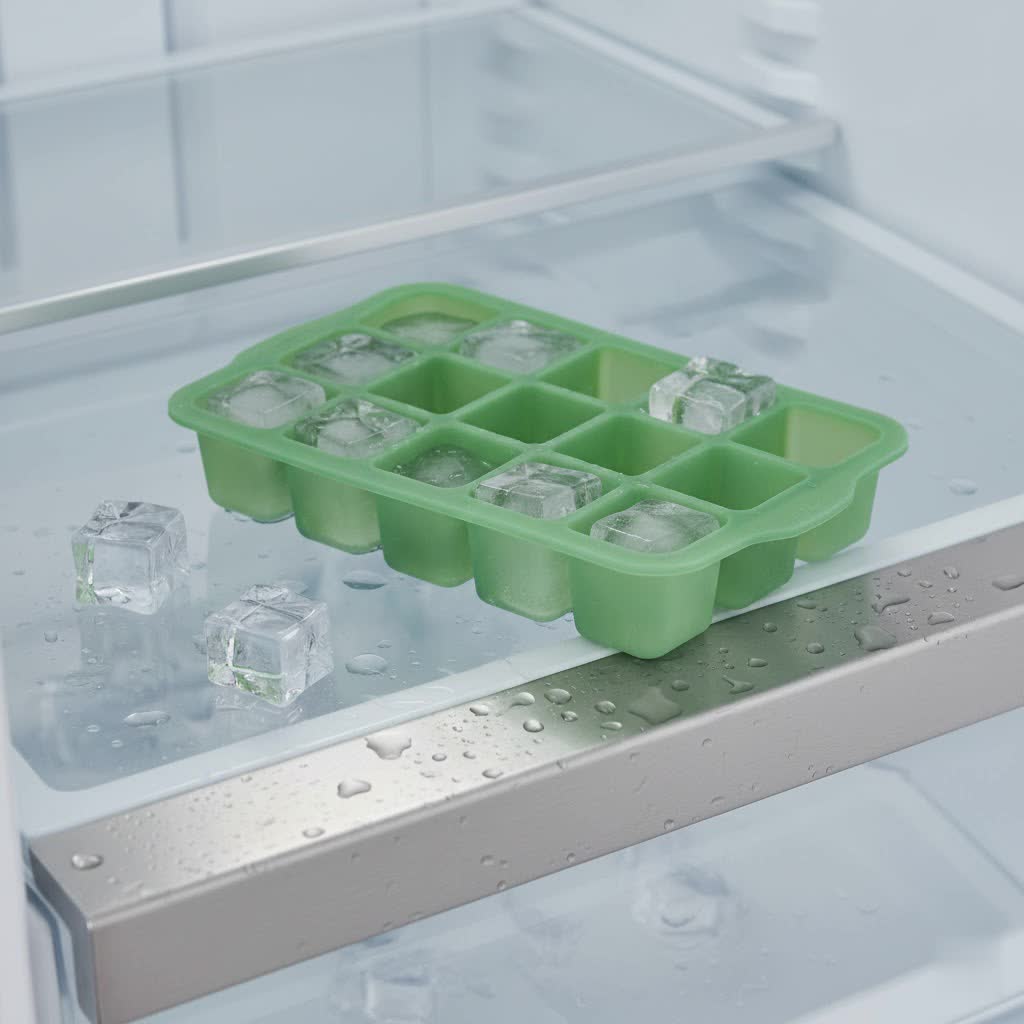
A cracked plastic ice tray can feel like a small but annoying household hurdle. More than just a minor inconvenience, it poses questions about waste, sustainability, and finding practical solutions for everyday items. Before tossing that fractured tray into the bin, consider the possibilities of repair, repurposing, or responsible recycling. This guide will walk you through viable options to extend the life of your plastic ice tray or dispose of it in the most environmentally conscious way.
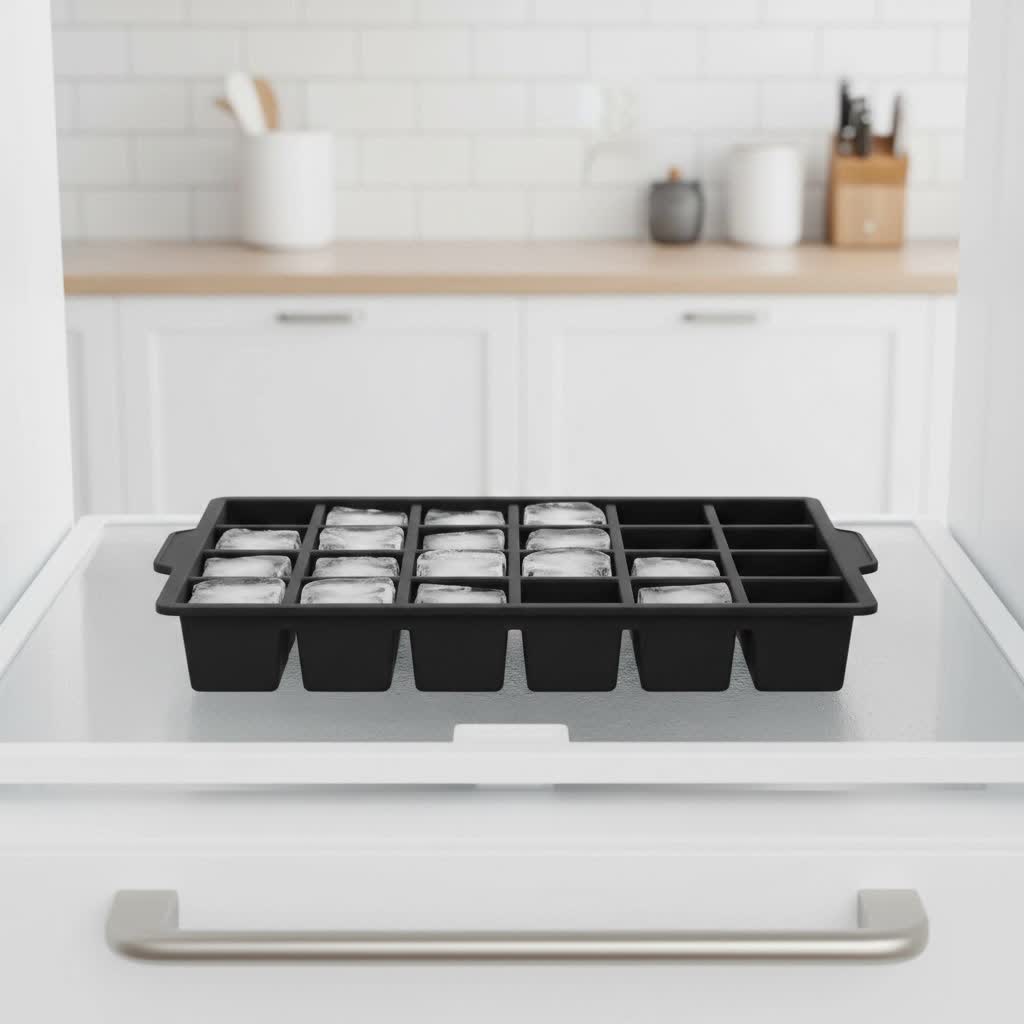
What is a Cracked Plastic Ice Tray and Why Does it Matter?
Plastic ice trays are ubiquitous in kitchens worldwide, prized for their affordability and ease of use. However, their rigidity, especially in freezing temperatures, makes them prone to cracking over time. These fractures not only lead to frustrating leaks in your freezer but also contribute to the growing pile of plastic waste if simply discarded. Every item we choose to fix, repurpose, or recycle plays a role in reducing our environmental footprint and promoting a more sustainable approach to household goods. The challenge isn’t just about making ice; it’s about making conscious choices.
Can You Really Fix a Cracked Plastic Ice Tray? DIY Repair Methods
Repairing a cracked plastic ice tray is often a more feasible task than you might think, especially for minor damage. The key is to select the right materials and follow proper steps to ensure a lasting, food-safe mend.
Preparation is Key
Table is empty.Before any repair, thorough preparation is crucial. Start by completely emptying and cleaning the ice tray with soap and water, ensuring all ice residue and debris are removed. Allow it to dry completely. For better adhesion, lightly sand the area around the crack with fine-grit sandpaper. This creates a slightly rough surface that allows the repair material to bond more effectively. Wipe away any sanding dust with a clean, dry cloth.
Food-Safe Adhesives
When dealing with items that come into contact with food or water, choosing food-safe adhesives is paramount.
- Food-Grade Epoxy: A two-part epoxy specifically designed for food contact is an excellent choice. It creates a strong, durable bond. Mix the epoxy according to the manufacturer’s instructions, apply it carefully along the crack, and ensure the edges are properly aligned. Allow ample curing time, which can range from several hours to a full day.
- Food-Grade Silicone Sealant: Similar to epoxy, a food-grade silicone sealant can provide a flexible, watertight repair. This is particularly useful for trays that experience some flex. Apply a thin, even layer over the crack, smoothing it out for a seamless finish. Silicone sealants usually require 24 hours to fully cure.
- Food-Safe Bondo/Resin: For more substantial chips or holes, some specialized food-grade bondo or resins designed for freezer patching can be effective. These are often used for repairing appliance interiors and offer robust adhesion.
Important Note: Always verify that any adhesive or sealant you use is explicitly labeled as “food-safe” or “food-grade” for contact with drinking water.
Reinforcement Techniques
For larger cracks or those in high-stress areas, reinforcing the repair can significantly improve its longevity.
- Plastic Welding Kits: For integrated ice maker bins (often a similar plastic to standalone trays) with more significant damage, a plastic welding kit with metal staples can offer a robust, long-lasting fix. These kits use heat to embed metal staples across the crack, effectively fusing the plastic back together. This method creates a very strong bond, often stronger than glue alone.
- Mesh Backing: For holes, a small piece of food-grade plastic mesh (like from a produce bag, if deemed safe) can be coated with food-grade epoxy and applied to the underside of the tray to provide a structural backing for the repair material.
Temporary Solutions and Their Limitations
While methods like superglue with baking soda or strong adhesive tapes (e.g., RV roof tape, Gorilla tape) are sometimes suggested for quick fixes, their long-term food safety and durability for an item constantly exposed to water and freezing temperatures can be questionable. They might offer a very temporary solution, but for sustained use, a more dedicated food-safe repair is advisable.
When to Opt for a New One
Ultimately, the decision to repair or replace often comes down to the severity of the crack and the cost-effectiveness of the repair. For very inexpensive, standalone ice trays with extensive damage, the cost of specialized food-safe repair materials might outweigh the price of a new tray. However, for built-in ice maker components, where replacements can be prohibitively expensive, a diligent repair can save a significant amount of money.
Beyond Repair: Giving Your Cracked Ice Tray a Second Life (Repurposing)
Even if your plastic ice tray is beyond economical repair for making ice, its compartmentalized design makes it a fantastic candidate for repurposing around the house. This not only keeps it out of the landfill but also provides a useful organizational tool.
- Craft and Small Item Organizer: The individual compartments are perfect for sorting beads, buttons, screws, nuts, bolts, paper clips, or other small craft supplies and hardware. Keep your workbench or craft area tidy and efficient.
- Seed Starter Tray: For gardening enthusiasts, ice trays make excellent miniature seed starter pots. Fill each compartment with potting mix and plant your seeds. Once seedlings are established, they can be easily transferred.
- Leftover Food Freezing (Non-Water): While not ideal for ice if leaking, a cracked tray can still be used to freeze small portions of herbs in oil, homemade baby food purees, pesto, lemon juice, or even bone broth. Just be mindful of any leaks during the initial freezing process.
- Paint Palette: The separate sections create an ideal palette for holding different paint colors when working on art projects.
- Desk Drawer Organizer: Tame the clutter in your desk drawers by using an old ice tray to keep pens, staples, erasers, and other office supplies neatly arranged.
- Jewelry Box: The compartments are also suitable for organizing small earrings, rings, or charms, preventing them from getting tangled or lost.
Repurposing breathes new life into an otherwise discarded item, showcasing creativity and a commitment to reducing waste.
The Recycling Dilemma: Disposing of Plastic Ice Trays Responsibly
When repair isn’t an option and repurposing opportunities have been exhausted, responsible recycling is the next step. However, recycling plastic ice trays can be more nuanced than it appears.
Understanding Plastic Types
Most plastic ice trays are made from polypropylene (PP), often identified by the recycling symbol #5. Some might be made from other plastics. While polypropylene is generally considered safe for food contact and can withstand freezing temperatures, the ability to recycle it depends on local infrastructure.
Local Recycling Guidelines are Key
Recycling programs vary significantly by municipality. Some curbside programs readily accept all plastic pots, tubs, and trays, including ice trays. Others might have stricter rules, only accepting certain numbered plastics or rejecting small, rigid plastics that can interfere with sorting machinery.
- Check with Your Local Facility: The most reliable way to determine if your plastic ice tray is recyclable is to check the website of your local waste management or recycling center. They will specify which plastic types and forms they accept.
- Preparation: Before placing any plastic item in the recycling bin, ensure it is clean and free of food residue. A quick rinse with leftover dishwater is usually sufficient. Food contamination can render entire batches of recyclables unusable.
The Challenges of Plastic Recycling
It’s important to acknowledge that plastic recycling isn’t a perfect system. Many plastics, even when collected, may not be effectively recycled due to complex sorting processes, lack of end markets, or degradation of material quality. Plastic also breaks down into microplastics over time, posing environmental concerns. This is why reducing, reusing, and repairing are often considered more impactful steps in the waste hierarchy than recycling alone.
Considering Alternatives: Preventing Future Cracks
If you frequently find yourself dealing with cracked plastic ice trays, it might be time to explore more durable and sustainable alternatives. Investing in these options can save you hassle and money in the long run.
- Silicone Ice Trays: These are highly flexible, making ice release incredibly easy, and are far less prone to cracking than rigid plastic. Silicone is also generally more durable and lasts longer than conventional plastic. While not universally recyclable, some specialized programs accept silicone, and its extended lifespan significantly reduces waste. Look for food-grade silicone trays.
- Stainless Steel Ice Trays: A return to a classic, stainless steel ice trays are exceptionally durable, rust-resistant, and completely plastic-free. They are built to last for decades, often featuring a lever mechanism for ice release. While they typically come at a higher initial cost and might not be as easy to use as silicone for some, their longevity makes them a very sustainable choice.
- Rubber Ice Trays: Although less common today, traditional rubber ice trays offer good flexibility and durability, similar to silicone, without the cracking issues of rigid plastic.
Choosing a robust alternative can eliminate the frustration of cracked trays and support a more environmentally friendly kitchen.
Conclusion
A cracked plastic ice tray doesn’t necessarily mean the end of its useful life. By exploring effective, food-safe repair methods, embracing creative repurposing opportunities, or responsibly recycling according to local guidelines, you can make a tangible difference. From patching it up with food-grade epoxy to transforming it into a seed starter or a craft organizer, each action reduces waste and promotes a more circular economy. When it’s time for a replacement, consider durable alternatives like silicone or stainless steel to prevent future cracks and contribute to a more sustainable household. What small change will you make today to extend the life of your kitchen essentials?