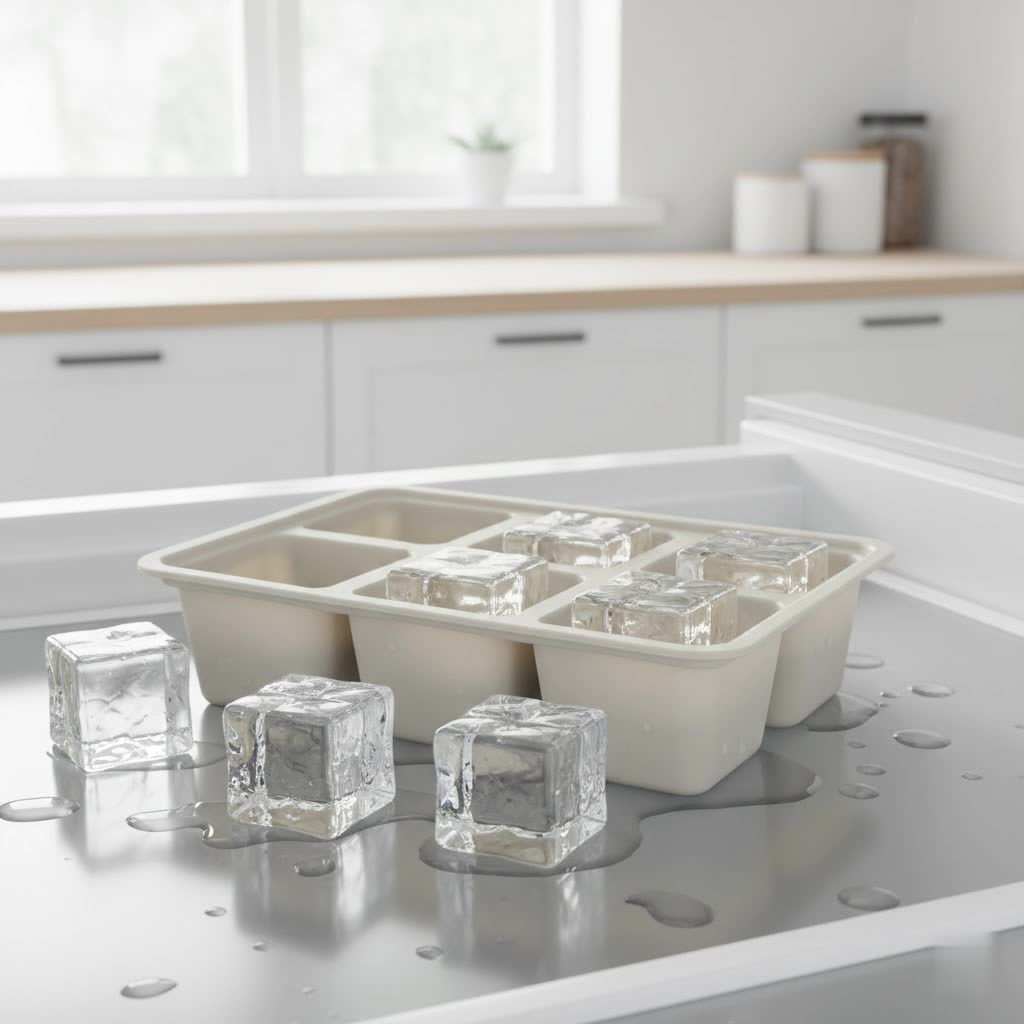
There’s nothing quite as disappointing as reaching for a glass of refreshing iced tea or a chilled cocktail, only to find your ice cubes carry an unwelcome hint of last night’s leftovers. A freezer should be a sanctuary for your frozen goods, preserving their freshness and flavor. Yet, over time, it can become a silent culprit, tainting your ice and even other foods with persistent, stale odors. If you’ve ever wondered why your ice tastes like the inside of your freezer, or how to banish those lingering smells for good, you’ve come to the right place. This comprehensive guide, informed by years of experience in home appliance care, will walk you through the causes of freezer odors, provide a step-by-step cleaning process, and reveal the best strategies to keep your freezer smelling fresh and your ice tasting pure.
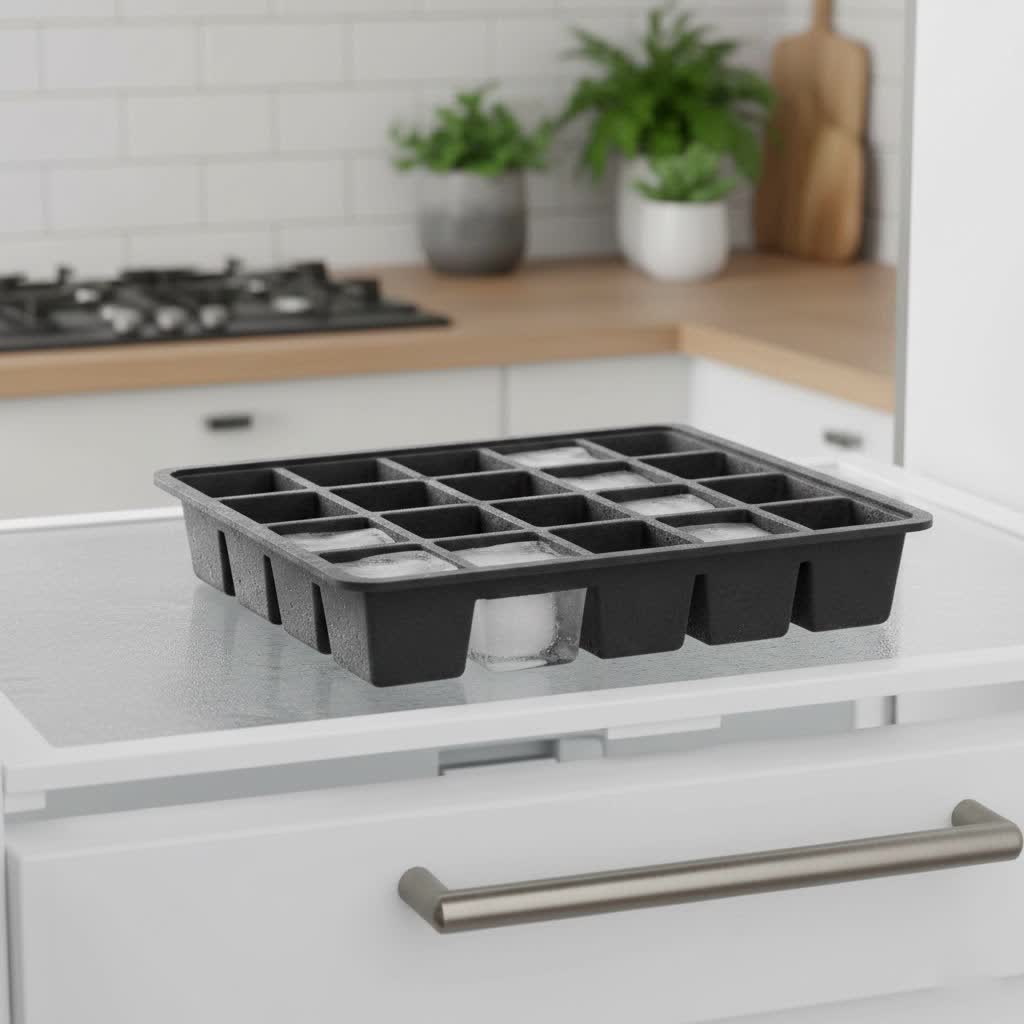
Why Your Freezer Smells and How It Affects Your Ice
A pristine freezer should be an odor-free zone, yet it’s a common appliance to develop unpleasant smells. These odors aren’t just an annoyance; they actively compromise the quality of your frozen food and, most noticeably, your ice.
The primary culprits behind freezer smells are often easily identifiable: expired or spoiled food, food spills and leaks, and even certain strong-smelling items like garlic, onions, or seafood, especially if not properly sealed. A power outage, even a brief one, can cause foods to thaw partially, leading to bacterial growth and strong odors that permeate the freezer’s interior. Sometimes, freezer burn itself can contribute to a stale taste, though its main impact is on food texture. Interestingly, even the cardboard packaging of some frozen items can absorb and emit smells that contribute to the overall freezer funk.
Ice, unfortunately, acts like a sponge for these airborne aromas. Water molecules are porous, meaning ice readily absorbs any surrounding odors. This phenomenon is particularly noticeable because air often circulates between your refrigerator and freezer compartments, especially in older models. This means a pungent dish in your fridge can directly influence the taste and smell of the ice in your freezer. The longer ice sits in the bin without being used, the more time it has to absorb these unwelcome scents, leading to that distinct “freezer taste” that can ruin any beverage.
Common Culprits: What Causes Freezer Odors?
Understanding the source of the smell is the first step to eliminating it. Freezer odors rarely appear without a reason, and they can range from easily rectifiable issues to more stubborn problems.
- Old or Spoiled Food: This is perhaps the most common reason. Items forgotten at the back of the freezer, or those that have exceeded their recommended storage time, can break down and release potent odors. Strong-smelling foods like fish, certain cheeses, or unsealed herbs can also leach their scents into the freezer environment, even if they aren’t spoiled.
- Food Spills and Leaks: Juices from raw meats, soups, or sauces that have leaked from their containers can create a breeding ground for bacteria, leading to foul smells. These spills can seep into crevices and under shelves, making them difficult to spot and clean without a thorough inspection.
- Packaging Issues: Food stored in flimsy or improperly sealed packaging allows odors to escape and mingle. Cardboard boxes, while convenient, can also absorb ambient smells and contribute to a general staleness.
- Power Outages and Thawing: A power cut, even a short one, can cause frozen foods to partially thaw. When food thaws, bacteria can multiply rapidly, producing strong, unpleasant odors. If the food then refreezes, the smell remains trapped within the freezer, often intensified.
- Dirty Ice Maker or Ice Bin: The ice maker itself and the bin where ice is stored can accumulate residue, mold, or mildew over time. This buildup can directly transfer bad tastes and smells to your ice cubes.
- Dirty Water Filter (for ice makers): If your refrigerator has a water filter for its ice maker, an old or dirty filter can introduce impurities and off-flavors directly into your ice.
Step-by-Step Guide to Deep Cleaning and Deodorizing Your Freezer
Tackling freezer odors requires a systematic approach. A superficial wipe-down might mask the problem temporarily, but a deep clean is essential for lasting freshness.
Preparation
Table is empty.- Unplug the Freezer: For safety and efficiency, always unplug your freezer before beginning any cleaning.
- Empty Contents: Remove all food items. Discard anything expired, spoiled, or questionable. Place salvageable frozen foods into coolers with ice packs to keep them frozen during the cleaning process.
- Remove Components: Take out all removable parts, including shelves, drawers, and the ice bin. This ensures you can clean every nook and cranny.
Cleaning
- Initial Wash: Wash the interior of the freezer and all removed components with a solution of hot water and mild dish soap. Pay special attention to corners, crevices, and door gaskets where spills and grime often hide.
- Odor-Specific Cleaning Solutions:
- Vinegar Solution: For persistent odors and to eliminate mildew, wipe down the interior with a solution of equal parts white vinegar and water. The acetic acid in vinegar is excellent for neutralizing smells.
- Baking Soda Paste: For tough stains or stubborn smells, create a paste using baking soda and a small amount of hot water. Apply it to affected areas, let it sit for a few minutes, then scrub gently. Baking soda is a natural deodorizer and a gentle abrasive.
- Rinsing and Sanitizing:
- Rinse all surfaces thoroughly with clean water to remove any soap or cleaning solution residue.
- For severe odor issues, you can sanitize the interior with a solution of one tablespoon of unscented liquid chlorine bleach per gallon of water. Wipe down all surfaces, let it sit for a few minutes, then rinse again with clean water.
- Thorough Drying: This step is crucial. Use clean towels to dry all surfaces completely. Then, leave the freezer door open for several hours, or even a few days if possible, to allow for complete air circulation and drying. This prevents moisture-related odors and mildew from returning.
Natural and Commercial Deodorizers for Your Freezer
After a thorough cleaning, sometimes residual odors can linger. This is where deodorizers come into play, actively absorbing airborne smells to maintain a fresh environment.
- Baking Soda: A classic and highly effective solution. Baking soda neutralizes odor molecules, rather than just masking them. Place an open box or a shallow bowl filled with baking soda in your freezer. For optimal performance, replace it every one to three months. Many experts recommend this as a foundational step for ongoing odor management.
- Activated Charcoal: Often considered more potent than baking soda for very strong odors, activated charcoal is highly porous and can absorb a wide range of odor molecules, whether acidic, alkaline, or neutral. Place a shallow bowl of activated charcoal in your freezer for 24 to 48 hours to neutralize strong smells. It’s advisable to replace it every few weeks to maintain its effectiveness.
- Newspaper: Believe it or not, crumpled newspaper can be an effective temporary deodorizer. The carbon in newspaper ink helps absorb odors. Roll newspaper pages into loose balls and place them on shelves. For an extra boost, some suggest adding a drop of cooking vanilla to each paper ball. Leave it for several days, then remove and clean with vinegar and water.
- Coffee Grounds: Fresh, dry coffee grounds can also absorb odors. Place them loosely in a large, shallow container. Be aware that coffee grounds might impart a subtle coffee scent to your freezer, which some people don’t mind, but it’s something to consider.
- Vanilla Extract: For a pleasant scent, some people place a cotton swab soaked with vanilla extract inside the freezer, leaving it closed for 24 hours. This can help to infuse a more appealing aroma after the odors have been removed.
- Commercial Deodorizers: If natural remedies prove insufficient for extremely stubborn odors, commercial freezer deodorizers are available at hardware and houseware stores. These often use activated carbon or other chemical compounds designed for aggressive odor elimination.
“A common misconception is that a quick wipe is enough. For true odor removal and fresh-tasting ice, a deep clean combined with consistent use of a powerful absorbent like baking soda or activated charcoal is key.” – Admin, ReviewYo.com
Preventing Future Freezer Odors and Protecting Your Ice
Maintaining an odor-free freezer is an ongoing process. Implementing a few simple habits can significantly reduce the chances of smells returning and ensure your ice remains pristine.
- Proper Food Storage is Paramount: This is arguably the most critical preventive measure. Always store food in airtight containers or heavy-duty freezer bags. Pay particular attention to strong-smelling items like garlic, onions, fish, and leftovers. Proper sealing prevents odors from escaping into the freezer air and stops food from drying out and getting freezer burn.
- Regular Cleaning and Organization: Don’t wait for odors to appear. Schedule regular freezer cleanings, perhaps quarterly, where you quickly wipe down surfaces and check for any expired or nearly expired items. A tidy freezer also allows for better air circulation, reducing the likelihood of stale spots.
- Monitor Food Expiration Dates: Regularly rotate your frozen stock and discard anything past its prime. This proactive approach prevents food from spoiling and creating odors in the first place.
- Maintain Optimal Temperature: Ensure your freezer is set to 0°F (-18°C) or lower. Consistent cold temperatures help preserve food quality and inhibit bacterial growth that can cause odors.
- Manage Your Ice Supply:
- Use Filtered Water: If your tap water has an off-taste, use filtered water to make ice. This simple step can dramatically improve ice flavor.
- Store Ice in Sealed Containers: If you use ice trays, transfer the cubes to an airtight bag or container once frozen. For built-in ice makers, clean the ice bin regularly. Many ice bins are dishwasher-safe, making this an easy task.
- Refresh Old Ice: Ice can go stale. If you don’t use ice frequently, it’s a good practice to dump out the old batch and let your ice maker produce fresh cubes every few weeks.
- Replace Water Filters: For refrigerators with built-in ice makers, ensure you replace the water filter every six months, or as recommended by the manufacturer. A clogged filter can contribute to bad-tasting ice.
Conclusion
A clean, odor-free freezer is not just about hygiene; it’s about preserving the quality of your food and, most importantly, ensuring your ice always delivers that crisp, refreshing chill without any unwelcome surprises. By understanding the common sources of freezer odors, committing to a thorough cleaning regimen, and integrating simple preventive habits into your routine, you can transform your freezer into an environment that truly enhances your culinary experience. From utilizing the power of baking soda and activated charcoal to mastering proper food storage, the path to a fresh freezer and pure-tasting ice is clear.
So, why not dedicate some time to your freezer today? A little effort now can lead to perfectly fresh ice and food for months to come. What’s the first step you’ll take to revitalize your freezer?
Frequently Asked Questions
How often should I deep clean my freezer?
Ideally, you should deep clean your freezer at least once or twice a year. However, if you notice persistent odors, spills, or if you frequently store strong-smelling foods, more frequent cleaning, such as quarterly, would be beneficial to maintain freshness.
Can I use bleach to clean my freezer?
Yes, diluted bleach can be used for sanitizing your freezer, especially after severe odor incidents or spoilage. Use a solution of one tablespoon of unscented liquid chlorine bleach per gallon of water, wipe surfaces, let sit briefly, then rinse thoroughly with clean water. Always ensure good ventilation.
Why does my ice still taste bad after cleaning the freezer?
If your ice still tastes bad after a thorough freezer cleaning, consider checking your water filter (replace every six months), using filtered water for ice, or ensuring that your ice bin and ice maker components are also cleaned. Old ice can also retain flavors, so dump and refresh your ice supply.
What’s better: baking soda or activated charcoal for freezer odors?
Both are effective. Baking soda neutralizes acidic odors, making it a good general absorbent. Activated charcoal, however, is often considered more powerful because its highly porous structure can absorb a broader spectrum of odor molecules, including acidic, alkaline, and neutral ones. For stubborn smells, activated charcoal may offer superior results.
Can freezer odor affect food safety?
While a bad smell in your freezer doesn’t automatically mean your food is unsafe, it often indicates the presence of spoiled food or bacterial growth, which can pose safety risks. Always discard food that has thawed and refrozen without proper knowledge of its safety, or any food that looks or smells questionable. The odor itself is a warning sign to investigate further.