Imagine this: a hot day, you’re crammed in a tiny dorm room or a compact apartment with your trusty mini-fridge, and all you crave is a refreshing, ice-cold drink. But then, you remember the struggle – flimsy ice trays that spill, cubes that won’t release, or trays too big for your small freezer. Sound familiar? Finding the perfect ice tray for limited spaces like mini-fridges and dorm rooms is not just about convenience; it’s about elevating your everyday hydration and enjoyment. As an appliance technician with over a decade of experience in household essentials, I’ve tested countless ice trays, understanding the nuances of materials, sizes, and designs. This guide is dedicated to sharing that expertise, ensuring you make an informed decision for your compact living situation.
What Are Ice Trays and Why Do You Need Them?
Ice trays are humble yet essential kitchen tools designed to freeze water into ice cubes, providing a simple solution for chilling beverages and preserving food. While larger refrigerators often boast built-in ice makers, those with mini-fridges, particularly in dorm rooms or small apartments, rely on these compact molds to produce their own ice supply. Beyond just cooling drinks like water, soda, or iced coffee, ice cubes have diverse applications, from rapidly chilling food items in a pinch to aiding in beauty routines or even first aid. The evolution of ice trays has seen them transform from rudimentary metal designs to the varied plastic, silicone, and stainless steel options we see today, each offering unique benefits to fit modern needs.
Popular Types of Ice Trays on the Market
The market offers a wide array of ice tray types, each with distinct features suitable for different preferences and uses. Understanding these variations is key to selecting the best fit for your mini-fridge or dorm room.
- Plastic Ice Trays: These are often the most affordable and widely available option. Many modern plastic trays are designed to be BPA-free, ensuring safety. While some plastic trays offer easy-release mechanisms, others can be notoriously difficult, requiring significant twisting and sometimes leading to cracked trays over time. Their rigid structure can sometimes make ice removal challenging, though newer designs integrate silicone bottoms for easier release.
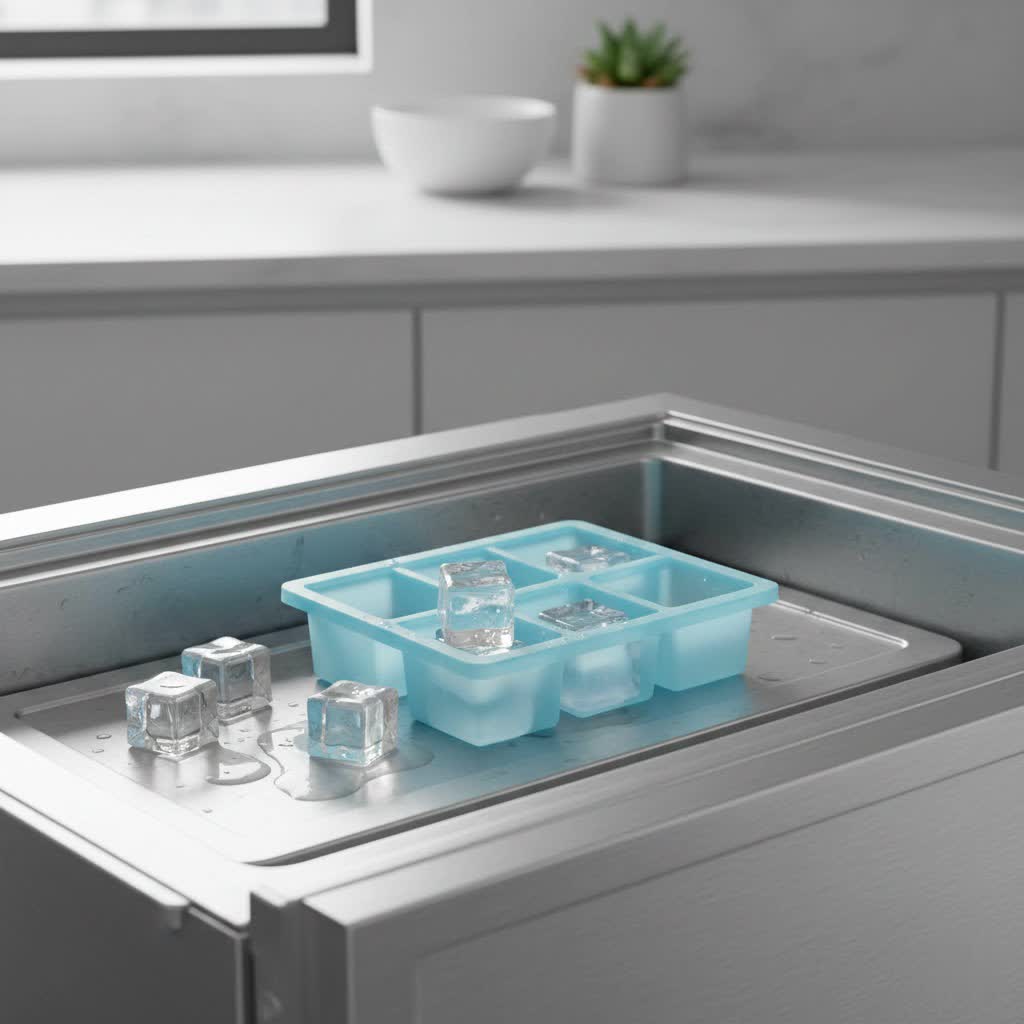
- Silicone Ice Trays: Renowned for their flexibility, silicone trays make ice retrieval effortless – a simple push from the bottom is usually all it takes. They are generally safe, BPA-free, and less prone to cracking than rigid plastic. However, silicone can sometimes absorb odors from the freezer, so opting for lidded versions or storing them properly is advisable. They often come in various fun shapes and sizes, including popular sphere or large cube molds.
- Stainless Steel Ice Trays: These trays are celebrated for their durability, longevity, and ease of cleaning, often considered a “buy it for life” product. Stainless steel doesn’t absorb odors and is naturally BPA-free. The primary drawback is that they tend to be the most expensive and can make ice release more difficult compared to silicone, often requiring a lever mechanism or a quick rinse under warm water. Due to their rigidity, they are less flexible for twisting.
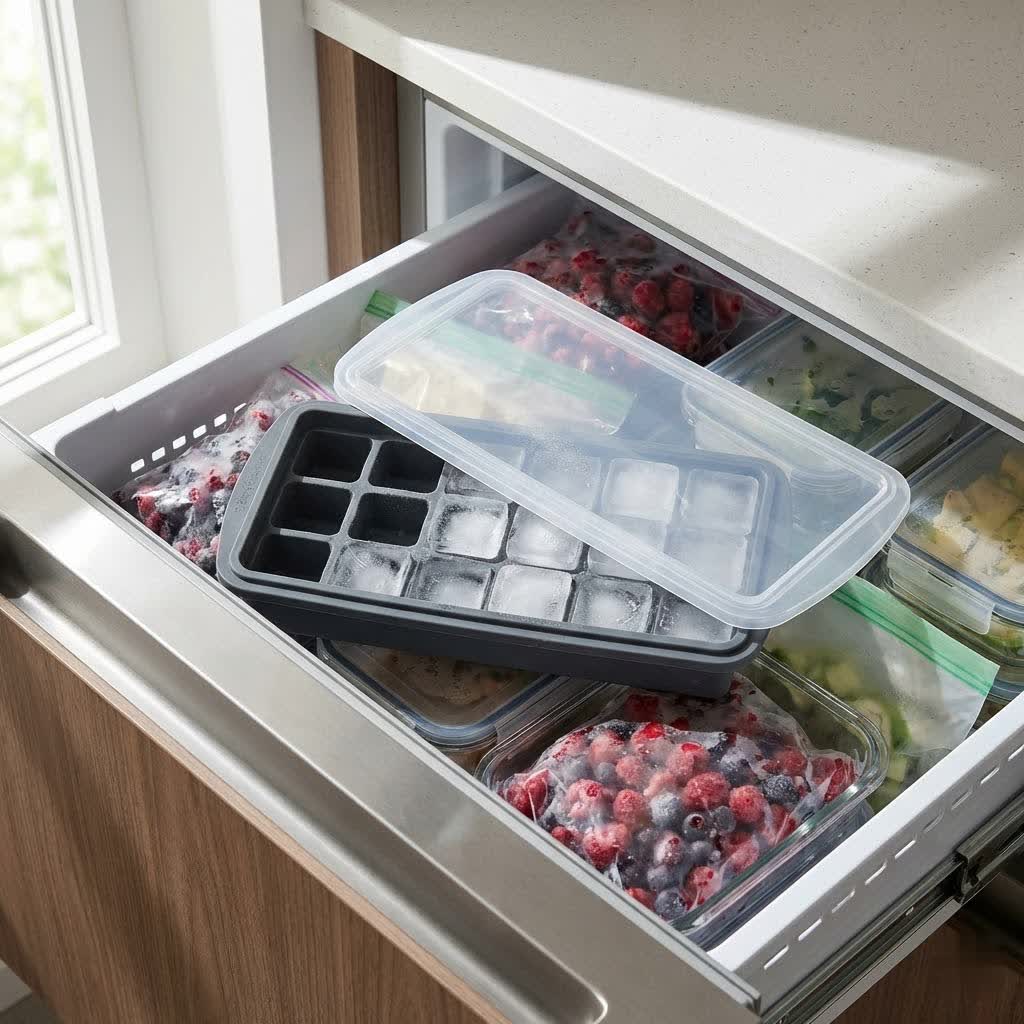
- Lidded Ice Trays: A godsend for small, often crowded freezers, lidded trays prevent spills during transport to the freezer and protect ice from absorbing freezer odors or contaminants. Many are stackable, maximizing limited vertical space in mini-fridges. The lid helps maintain hygiene and can be particularly beneficial in shared living spaces like dorms.
- Large vs. Small Cube Ice Trays: The size of the ice cubes produced varies greatly. Small cube (or nugget) trays are ideal for those who prefer faster freezing times and ice that fits into narrow-mouthed water bottles. Larger cubes, on the other hand, melt slower, making them perfect for whiskey or cocktails where dilution is a concern. For mini-fridges, trays producing smaller or standard-sized cubes often prove more practical due to their quicker freezing and versatile use.
Detailed Comparison Table of Ice Tray Types
Table is empty.| Feature | Plastic Ice Trays | Silicone Ice Trays | Stainless Steel Ice Trays |
|---|---|---|---|
| Price | Low | Medium | High |
| Durability | Medium (can crack) | Medium | High |
| Safety | Often BPA-free, check labels | BPA-free | Naturally safe |
| Ease of Ice Release | Varies, can be difficult | Very Easy | Difficult (often requires lever/warm water) |
| Cleaning | Easy | Easy | Easy |
| Heat Resistance | Low (not for hot liquids) | High | High |
| Odor Absorption | Low | Medium (can absorb if unlidded) | None |
| Space Efficiency | Good (many are stackable) | Good (many are stackable) | Good (many are stackable) |
Guide to Choosing the Right Ice Tray
Choosing the ideal ice tray for your mini-fridge or dorm room involves considering several key factors that cater to both practicality and your personal preferences.
- Determine Your Usage Needs: Before anything else, consider how you’ll primarily use the ice. Are you just chilling water or soda, or do you need larger, slower-melting cubes for cocktails? For dorms, versatility for various drinks is often paramount, suggesting standard or smaller cubes. If you’re a heavy ice user, a tray with a larger capacity or an integrated storage bin would be beneficial.
- Prioritize Safe Materials: When it comes to health, always prioritize BPA-free plastics, food-grade silicone, or stainless steel. These materials ensure that no harmful chemicals leach into your ice, making them safe for consumption. Silicone and stainless steel generally offer superior safety profiles.
- Consider Size and Shape for Limited Space: Mini-fridges and dorm freezers are notoriously small, so compact, stackable designs are crucial. Look for trays specifically advertised for small freezers or those with slim profiles. The shape of the ice cubes should also align with your typical drinkware – smaller cubes fit well in water bottles, while standard cubes are good for most glasses.
- Read User Reviews: Customer feedback can be invaluable. Reviews often highlight common issues like difficulty in ice release, lid effectiveness, or durability over time, providing a realistic expectation of a product’s performance. Pay attention to comments from users with similar space constraints.
- Compare Prices and Features: While budget is always a factor, balance cost with features. A slightly more expensive silicone tray with a lid and an easy-release mechanism might be a better long-term investment than a cheap plastic one that frustrates you daily. Look for bundles that include storage bins or scoops for added value.
Tips for Using and Maintaining Ice Trays
Proper use and maintenance will extend the life of your ice trays and ensure you always have fresh, clean ice.
- Rinse Before First Use: Always wash new ice trays with warm, soapy water before their initial use to remove any manufacturing residues or dust. This ensures your first batch of ice is clean and taste-free.
- Do Not Overfill: Filling the compartments too full can cause ice cubes to fuse together, making them harder to remove. It also increases the risk of spills, especially important in a compact freezer. Leave a small gap at the top of each cube section to allow for water expansion as it freezes.
- Use Filtered Water for Clearer Ice: Tap water can contain impurities that lead to cloudy or off-tasting ice. Using filtered water not only results in clearer, better-tasting ice but can also help prevent mineral buildup in your trays over time.
- Clean Trays Regularly: Even if you only use water, trays can accumulate odors or develop a film. Wash your ice trays regularly with soap and water, or place them in the dishwasher if they are dishwasher-safe. For stubborn odors, a mixture of baking soda and water can work wonders.
- Store Properly When Not in Use: If you have multiple trays or a tray with a lid, ensure they are stored in a dry, clean place. Lidded trays are excellent for preventing freezer burn and odor absorption, even when empty. Stacking them can save precious freezer space.
Top Picks: The Most Popular Ice Tray Models Today
Based on user reviews, innovative design, and suitability for compact freezers, here are some highly-rated ice tray options that consistently impress:
- OXO Good Grips Ice Cube Tray with Lid: Known for its sturdy construction and thoughtful design, this tray features a silicone lid that allows for angled freezing without spills – a huge plus for cramped mini-freezers. The cover also prevents odor absorption. Users praise its easy-release mechanism and stackable design.
- Lékué Silicone Ice Cube Tray and Storage Box: This 2-in-1 system is a dream for dorm rooms. It includes a flexible silicone tray for easy ice removal and a sturdy storage box, effectively creating a mini ice bin. The small, gemstone-shaped cubes freeze quickly and fit various drinks. It’s compact, stackable, and helps keep ice fresh.
- WIBIMEN Round Ice Cube Trays with Lid and Bin: This system is fantastic for those who enjoy novelty ice shapes. It produces perfectly round ice balls and comes with a lid and a large storage container, often including a scoop. Made from BPA-free plastic, it offers easy release with a gentle twist and is highly space-efficient due to its integrated storage.
- DOQAUS Ice Cube Trays with Easy Release: These trays combine a firm plastic top with a flexible silicone bottom for effortless ice release. They are stackable and come with protective covers to keep ice clean and odor-free. Each tray produces 14 perfectly sized cubes, making them a balanced choice for regular use in small freezers.
- Brumate Cold-Snap Skinny Ice Stick Tray: If you frequently use narrow-necked water bottles or tumblers, this silicone tray is a game-changer. It creates long, thin ice sticks that slide easily into bottles. It’s compact, comes with a silicone lid, and its flexibility ensures easy removal. “The ice is very easy to remove and held a clean shape. I did like that the ice was long, since that means it fit water bottles nicely, but it’s less universal for tumblers and the like.” – Deputy Editor Sarah Gregory.
Conclusion
Choosing the best ice tray for a mini-fridge or dorm room doesn’t have to be a daunting task. The ideal choice hinges on understanding your specific needs, prioritizing materials that are both safe and durable, and opting for designs that maximize precious freezer space. Whether you prefer the flexibility of silicone, the traditional appeal of plastic with clever features, or the robust nature of stainless steel, a suitable option exists. Investing in a well-designed ice tray can significantly improve your daily routine, providing a constant supply of fresh, clean ice without the hassle. What features do you value most in an ice tray, and how has it changed your small-space living experience?
Frequently Asked Questions
What features are most important for ice trays in small freezers?
For small freezers, the most important features include a compact, stackable design to save space, a secure lid to prevent spills and odor absorption, and an easy-release mechanism for convenience. Smaller cube sizes can also be beneficial as they freeze faster and fit a wider range of drinkware.
Is silicone or plastic better for ice trays in dorm rooms?
Silicone is generally preferred for dorm rooms due to its flexibility, which makes ice release very easy, and its BPA-free nature. However, high-quality BPA-free plastic trays with easy-release features and secure lids are also excellent options. Silicone can sometimes absorb freezer odors, so lidded versions are recommended.
How can I prevent my ice from smelling like the freezer?
To prevent your ice from absorbing freezer odors, always use ice trays with tight-fitting lids. Additionally, regularly clean your freezer and the ice trays themselves. Using filtered water for ice can also help maintain its fresh taste.
Can I make clear ice cubes in a mini-fridge freezer?
While achieving perfectly clear ice typically requires specialized techniques or specific equipment, you can improve clarity in a mini-fridge freezer by using distilled or boiled water and freezing it in an insulated container within the freezer. This slows the freezing process, allowing air bubbles to escape.
How often should I clean my ice trays?
It’s recommended to clean your ice trays regularly, ideally every few weeks, or whenever you notice any residue or smell. Use warm, soapy water or place them in the dishwasher if they are designed for it. Regular cleaning prevents bacteria buildup and keeps your ice fresh.