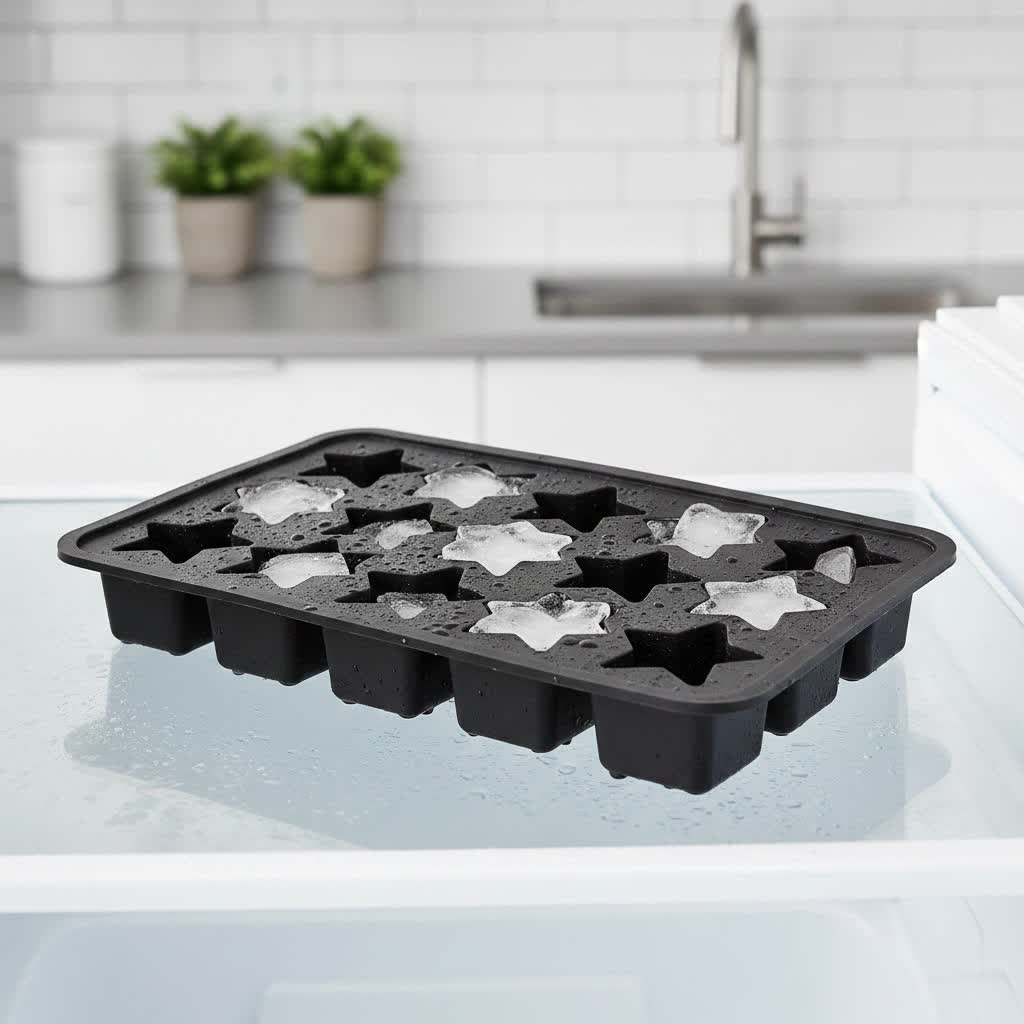
Are you tired of watching fresh herbs wilt away in your fridge, losing their vibrant flavor and turning into sad, wasted ingredients? It’s a common culinary frustration, but there’s a simple, ingenious solution that can revolutionize your cooking: freezing herbs in olive oil. This method not only preserves the essence of your favorite herbs for months but also transforms them into convenient, ready-to-use flavor bombs for countless dishes. But to truly master this kitchen hack, choosing the right ice tray is paramount. This comprehensive guide will walk you through everything you need to know to select the perfect ice tray and become a pro at preserving herbs in olive oil.
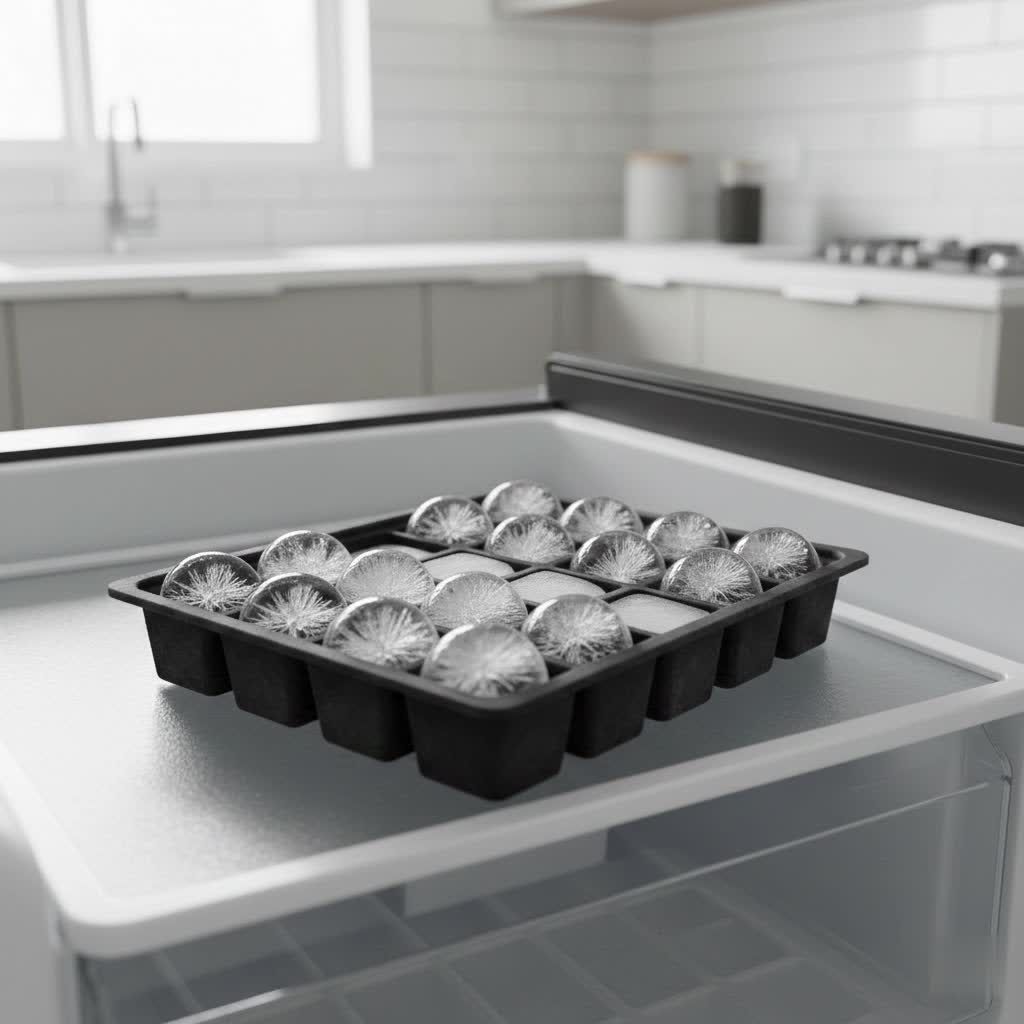
What are Herb-Infused Oil Cubes and Why You Need Them?
Table is empty.Herb-infused oil cubes are exactly what they sound like: fresh herbs, finely chopped or whole, submerged in olive oil and frozen into single-serving portions using an ice tray. These convenient cubes are a game-changer for home cooks and culinary enthusiasts alike. They tackle the universal problem of herb spoilage, ensuring that no fragrant sprig or aromatic leaf goes to waste.
Beyond mere preservation, freezing herbs in oil offers significant culinary advantages. The olive oil acts as a protective barrier, shielding the delicate herb leaves from freezer burn and oxidation, which can lead to discoloration and a loss of flavor. This method effectively locks in the herbs’ aromatic compounds, allowing them to infuse the oil and create a potent flavor concentrate. When you’re ready to cook, simply drop a cube directly into your pan, soup, or sauce, and enjoy the taste of freshly picked herbs all year round. This smart technique is perfect for enhancing stews, roasted vegetables, pasta dishes, and even simple sautéed greens, providing an instant flavor boost without the fuss.
Popular Ice Tray Types for Freezing Herbs in Olive Oil
When it comes to freezing herbs in olive oil, the type of ice tray you use significantly impacts the ease of preparation and cube retrieval. While various materials are available, two types stand out for their suitability (or lack thereof) for this specific task: silicone and plastic.
- Silicone Ice Trays: These are widely considered the gold standard for freezing herbs in oil. Their inherent flexibility is a major advantage, allowing you to easily pop out individual frozen herb cubes without a struggle. This means no more wrestling with stubborn ice or risking cracked trays. Silicone is also naturally non-stick and safe for food contact, typically being BPA-free. However, some very flexible silicone trays might be wobbly when filled, so looking for ones with reinforced edges or placing them on a baking sheet before filling can help. While silicone can sometimes absorb odors over time, thorough cleaning usually prevents this.
- Plastic Ice Trays: Traditional plastic ice trays are readily available and inexpensive. While they can technically be used, they often present challenges. The rigid material makes it difficult to extract the frozen oil cubes, often requiring twisting and forceful maneuvers that can lead to cracking the tray or leaving bits of herbs behind. Older plastic trays might also contain BPA, which is a concern for some users. While they get the job done in a pinch, they are generally less convenient and durable for this particular application compared to silicone.
For optimal results, especially considering the delicate nature of herbs and the oily medium, silicone trays with sturdy construction or accompanying lids are often preferred. Lids are a bonus, protecting your herb cubes from absorbing freezer odors and allowing for convenient stacking.
Detailed Comparison Table: Silicone vs. Plastic Ice Trays
Understanding the key differences between silicone and plastic ice trays can help you make an informed decision for freezing your herbs in olive oil.
| Feature | Silicone Ice Trays | Plastic Ice Trays |
|---|---|---|
| Price | Medium to High | Low |
| Durability | High (flexible, resistant to cracking) | Low (prone to cracking, brittleness) |
| Safety | Generally BPA-free, food-grade silicone | May contain BPA (especially older models) |
| Ease of Release | Very Easy (flexible material allows cubes to pop out) | Difficult (rigid material causes cubes to stick) |
| Cleaning | Easy (non-stick, dishwasher safe) | Easy (dishwasher safe) |
| Odor Absorption | Can absorb odors over time if not cleaned properly | Less prone to odor absorption but can stain |
| Stability (when filling) | Can be flimsy without rigid edges, may require a support tray | Rigid, generally stable |
Choosing the Perfect Ice Tray for Your Herb Cubes
Selecting the right ice tray is a crucial step in ensuring your herb-freezing journey is successful and enjoyable. Consider these factors when making your choice:
- Determine Your Usage Needs: How many herb cubes do you anticipate needing? If you’re preserving large batches from a garden harvest, multiple trays or larger trays might be necessary. Think about the types of dishes you’ll be using them for; smaller cubes are perfect for single servings or quick additions, while larger cubes might suit stews or roasts.
- Prioritize Material Safety and Ease of Use: Given the options, silicone is overwhelmingly recommended for freezing herbs in olive oil. Its flexibility ensures effortless release of your frozen cubes, preventing frustration and broken trays. Opt for food-grade, BPA-free silicone for health and peace of mind. Some silicone trays come with rigid frames or lids, which add stability during filling and protect cubes from freezer odors.
- Consider Cube Size and Shape: Ice trays come in various sizes, from traditional small cubes to larger sphere or square molds. For herb cubes, standard small to medium-sized compartments (around 1-2 tablespoons) are ideal for portion control in cooking. This allows you to add just the right amount of herb-infused oil to your dishes without overdoing it.
- Read User Reviews: While I cannot directly provide product recommendations, general advice suggests browsing online reviews for specific trays. Look for comments on ease of cube removal, durability, and any issues with odor absorption or staining. Real-world experiences can offer valuable insights beyond product descriptions.
- Compare Features and Value: While silicone trays might have a slightly higher upfront cost than basic plastic, their durability and convenience make them a worthwhile investment in the long run. Look for features like lids for stacking and protection, and consider multi-packs if you plan to freeze a variety of herbs.
Tips for Using and Storing Your Herb Oil Cubes
Once you’ve chosen your ideal ice tray, mastering the technique for freezing and storing your herb-infused olive oil cubes will ensure maximum flavor and longevity.
- Prepare Your Herbs and Trays: Always start by thoroughly washing your herbs and ensuring they are completely dry to prevent ice crystals. Chop your herbs to your desired consistency – fine for quick melting and even distribution, or slightly coarser for more texture. Before filling, give your ice trays a quick wash to remove any dust or lingering freezer smells.
- Fill Thoughtfully: Fill each ice tray compartment about two-thirds to three-quarters full with your chopped herbs. This leaves adequate space for the olive oil. Then, carefully pour olive oil over the herbs, ensuring they are completely submerged. This is critical for preventing freezer burn and locking in the flavors. Avoid overfilling, as the oil will expand slightly when frozen.
- Choose the Right Oil: While extra virgin olive oil is a popular choice for its flavor and health benefits, you can use any cooking oil suitable for your recipes, such as avocado oil or melted butter. Just be sure to label your cubes if you’re using different oils.
- Freeze and Store Properly: Place the filled trays level in your freezer. If using flexible silicone trays, place them on a small baking sheet for stability during transport. Freeze overnight, or until the cubes are solid. Once frozen, pop the cubes out of the trays and transfer them to airtight, freezer-safe bags or containers. This frees up your trays for the next batch and protects the cubes from freezer odors.
- Label and Date: This is a crucial step! Label each bag or container with the type of herb (e.g., “Rosemary in Olive Oil”) and the date it was frozen. This prevents confusion later, as many frozen herb cubes can look similar.
- How to Use Your Herb Cubes: The beauty of these cubes is their convenience. There’s no need to thaw them! Simply drop a frozen herb cube directly into a hot pan, soup, stew, or sauce at the beginning of your cooking process. As the oil melts, it will infuse your dish with fresh herb flavor. They are perfect for starting a sauté or adding to roasted vegetables.
“Freezing herbs in olive oil creates a protective layer that not only preserves their vibrant color and robust flavor but also makes them incredibly convenient for everyday cooking.” – ReviewYo.com Admin
Top Picks: Highly Recommended Ice Trays for Herb Freezing
While specific brands can vary, the consensus among culinary experts and home cooks points to silicone ice trays as the superior choice for freezing herbs in olive oil. When selecting, look for features that enhance usability and longevity:
- Standard Silicone Ice Cube Trays: These are widely available and perform excellently. Their flexibility allows for easy removal of frozen herb cubes, preventing breakage and waste. Many come in various compartment sizes, letting you portion your herb cubes perfectly for different recipes.
- Silicone Trays with Lids: A significant upgrade, trays with lids offer several benefits. The lid helps prevent spills during transport to the freezer, protects your herb cubes from absorbing other freezer odors, and allows for efficient stacking, maximizing your freezer space.
- Reinforced Silicone Trays: Some silicone trays are designed with a more rigid frame around the flexible compartments. This design provides the best of both worlds: easy cube removal coupled with stability when carrying a full tray to the freezer. This feature is particularly helpful when working with liquids like olive oil.
While plastic trays are an option, their rigidity often makes them frustrating for this application. Stainless steel trays, though durable, pose similar challenges with cube removal. For the ultimate hassle-free experience and the best preservation results, prioritize food-grade silicone trays, especially those with lids or reinforced structures.
Conclusion
Freezing herbs in olive oil is a simple yet powerful technique that allows you to savor the essence of fresh herbs long after their season has passed. By selecting the right ice tray, preferably a flexible silicone model, you unlock a world of culinary convenience, reducing food waste and ensuring a burst of vibrant flavor is always within reach. This method creates ready-to-use “herb bombs” that streamline your cooking and elevate everyday meals. Embrace this kitchen hack and transform the way you think about herb preservation. What herbs will you freeze first to elevate your next culinary creation?
Frequently Asked Questions
What are the best herbs to freeze in olive oil?
Hardier herbs like rosemary, sage, thyme, and oregano generally freeze exceptionally well in olive oil, maintaining their flavor and texture. Softer herbs such as parsley and cilantro can also be frozen, but their texture might change slightly upon thawing. Basil is often best frozen as pesto rather than individual leaves in oil.
How long do herb-infused olive oil cubes last in the freezer?
When properly stored in airtight bags or containers, herb-infused olive oil cubes can last for six months to a year in the freezer. The olive oil acts as a protective layer, preventing freezer burn and preserving the herbs’ flavor and color for extended periods.
Can I use other oils besides olive oil for freezing herbs?
Yes, you can use other cooking oils that you prefer for your recipes. Avocado oil, vegetable oil, or even melted butter or ghee are viable alternatives. Just remember to label your frozen cubes clearly, indicating both the herb and the type of oil used.
Do I need to thaw the herb oil cubes before using them in cooking?
No, there is no need to thaw your herb-infused olive oil cubes. One of their main benefits is their convenience; you can simply drop a frozen cube directly into your hot pan, pot of soup, or stew. The oil will melt quickly, releasing the herb’s flavor into your dish.
How full should I fill the ice tray compartments with herbs and oil?
Fill each ice tray compartment about two-thirds to three-quarters full with chopped herbs. Then, pour olive oil over the herbs until they are completely submerged. Ensure the oil covers the herbs fully to prevent air exposure, which can lead to freezer burn.