Is your freezer a frozen wasteland, a chaotic jumble of forgotten foods and elusive ingredients? You’re not alone. Many households struggle with a disorganized freezer, leading to food waste, wasted time searching, and a constant feeling of overwhelm. But imagine a freezer where every item has its place, where you can easily locate what you need, and where space is maximized to its fullest potential. This isn’t a dream; it’s an achievable reality, especially with the strategic use of stackable trays. These simple yet ingenious tools can transform your freezer from a frosty mess into a perfectly organized and highly functional storage system, making meal prep easier and reducing food waste significantly.
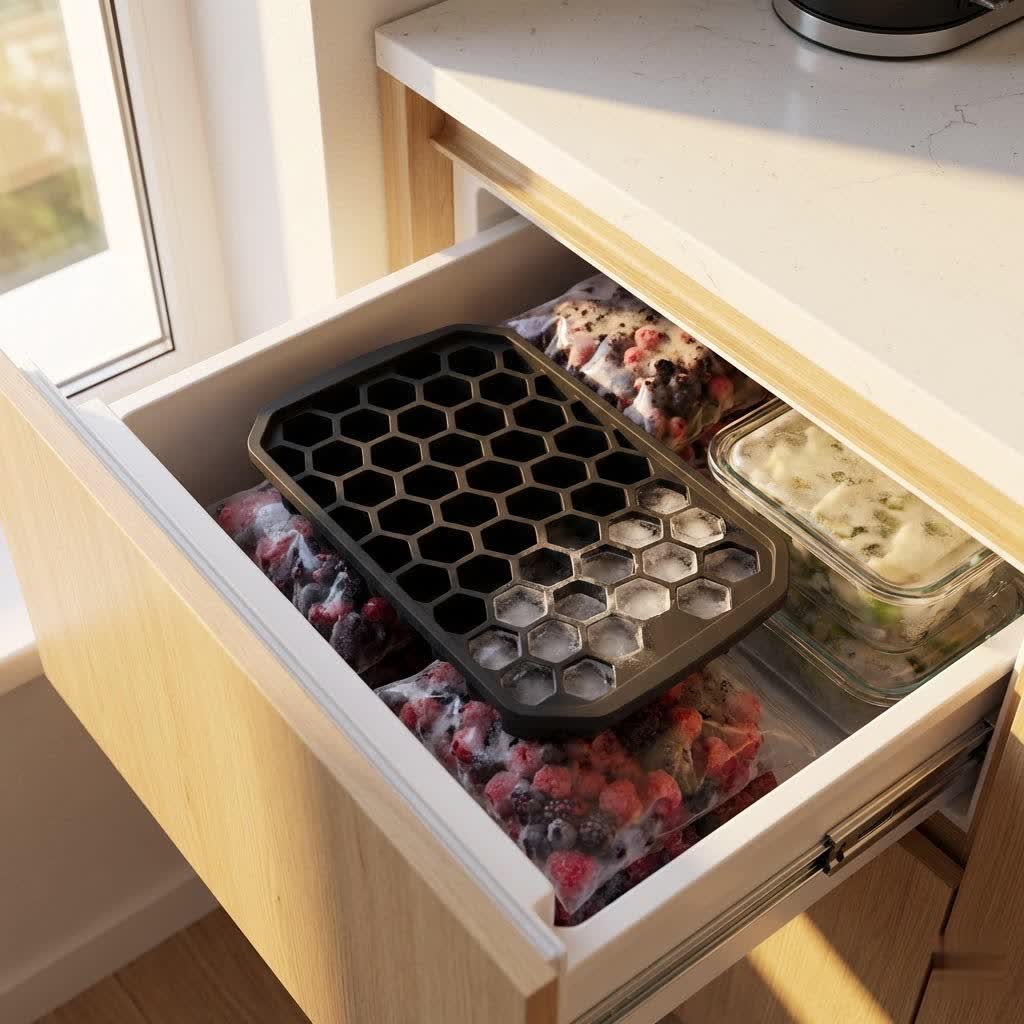
What is a Freezer and Why Organize It?
At its core, a freezer is a vital appliance designed to preserve food by lowering its temperature below freezing point, halting bacterial growth and extending shelf life. From bulk meat purchases and seasonal produce to homemade meals and baked goods, freezers allow us to store a vast array of items, ensuring we always have ingredients on hand and reducing trips to the grocery store.
However, the benefits of owning a freezer are significantly amplified when it’s well-organized. A chaotic freezer can ironically lead to more waste, as items get buried, forgotten, and eventually succumb to freezer burn. An organized freezer helps you quickly find what you need, track inventory, and prevent food from being lost in the depths, ultimately saving you money and time. It also ensures proper air circulation, which is crucial for maintaining consistent temperatures and preventing freezer burn, thereby preserving the quality and taste of your food.
Types of Freezers and Organization Challenges
Different freezer types present unique organizational hurdles, but stackable trays offer versatile solutions across the board. Understanding your freezer’s layout is the first step to conquering its clutter.
- Side-by-Side Freezers: These often have narrow shelves and door bins. The challenge here is making the most of the limited width and ensuring items don’t fall out when the door is opened. Skinny, stackable bins and trays work well here.
- Bottom Freezers (Drawer Style): Characterized by deep drawers, these freezers are prone to items being piled on top of each other, making it difficult to access those at the bottom. Stackable trays are particularly useful for creating layers and categories within these deep spaces.
- Top Freezers: Typically found above refrigerators, these have shelves that can easily become cluttered. Stackable bins can create “drawers” on these shelves, helping to compartmentalize and utilize vertical space effectively.
- Chest Freezers: Known for their deep, cavernous design, chest freezers are notorious for the “black hole” effect, where food items disappear into the abyss. This type of freezer benefits immensely from a tiered, stackable system that allows for layers and easy retrieval.
- Upright Freezers: Similar to refrigerators, these have shelves and sometimes door storage. They offer better visibility than chest freezers but still require a system to prevent items from toppling or getting lost behind others. Stackable trays help create distinct zones on each shelf.
Regardless of your freezer type, the common goal is to prevent items from becoming an indistinguishable block of ice and to make every inch of space work for you.
The Power of Stackable Trays in Freezer Organization
Stackable trays are far more than just ice cube molds; they are a transformative tool for comprehensive freezer organization. These specialized trays, available in various materials and designs, allow you to freeze liquids, individual portions, and even pre-chopped ingredients in a uniform, space-saving manner.
The primary benefit of stackable trays is their incredible space efficiency. By allowing you to freeze items into neat, uniform blocks or portions, they enable you to stack vertically, maximizing every cubic inch of your freezer. This eliminates wasted space from irregularly shaped packages and prevents the chaotic pile-up that plagues many freezers. They also greatly enhance visibility, as items frozen in trays can be easily identified and retrieved, ending the endless digging.
Stackable trays are also excellent for portion control. You can freeze exact serving sizes of soups, sauces, purees, or even individual berries, making meal preparation incredibly convenient. This precise portioning also helps in preventing freezer burn by reducing air exposure. Once frozen, these solid blocks can often be transferred to freezer bags, further reducing bulk and air, which are the main culprits behind freezer burn. Ultimately, stackable trays offer easy access to your frozen goods, streamlining your cooking process and ensuring that no food goes to waste.
A Step-by-Step Guide to Organizing Your Freezer with Stackable Trays
Transforming your freezer into an organized haven is a straightforward process when you leverage the efficiency of stackable trays. Follow these steps for a clutter-free and highly functional freezer.
1. Empty and Clean
|
Our Picks for the Best Ice tray in 2026
As an Amazon Associate I earn from qualifying purchases.
|
||
| Num | Product | Action |
|---|---|---|
| 1 | Ice Cube Trays, Silicone Easy-Release and Flexible 14-Ice Trays with Spill-Resistant Removable Lid, BPA Free, Durable and Dishwasher Safe, 2 Pack |

|
| 2 | ChefAide Ice Cube Tray with Lid, 2 Packs 28 Cubes Durable Stackable Ice Cube Trays for Freezer with Removable Lids, Easy-Release Plastic & Silicone Ice Tray for Cocktail, Coffee |
|
| 3 | WIBIMEN Ice Cube Tray with Lid and Bin - Round Ice Trays for Freezer with Lid - Ice Cube Trays for Freezer with Ice Container (1"-2PACK Blue) |
|
| 4 | Ice Cube Tray 5 Pack, Stackable Silicone Ice Cube Trays with Lid– Easy Release Reusable Ice Tray, BPA-Free Rectangular Ice Cube Mold Set for Cocktails, Coffee, Whiskey & Drinks- Black |
|
| 5 | OXO Good Grips Ice Cube Tray - 2 Pack White |
|
| 6 | Optish 3 Pack Ice Trays for Freezer, 99 PCS Ice Cube Tray with Lid and Bin, Round Ice Cube Mold, Circle Ice Maker for Chilling Drinks (0.8 inch, Blue) |
|
| 7 | ChefAide Ice Cube Tray with Lid, 4 Packs 56 Cubes Durable Stackable Ice Cube Trays for Freezer with Removable Lids, Easy-Release Plastic & Silicone Ice Tray for Cocktail, Coffee |
|
| 8 | NFK Ice Cube Tray with Lid & Bin - 4 Pack 48 Cubes Stackable Silicone Trays for Freezer with Storage Container, Leak-Proof Lids, BPA-Free, Easy Release for Kitchen, RV, Party, Cocktail & Coffee |
|
| 9 | DOQAUS Ice Cube Tray with Lid and Bin - 4 Pack Silicone Ice Cube Trays for Freezer, Stackable Ice Bucket Kits with Storage Container & Scoop for Kitchen, RV, Cocktail, Coffee |
|
| 10 | WIBIMEN Mini Ice Cube Trays, 0.55” Tiny Pebble Ice for Iced Coffee & Cocktails, Fast Chill, Easy Twist Release, Stackable with Lid & Storage Bin (2 Pack, Blue) |
|
Start by completely emptying your freezer. Take out every single item and place them in insulated bags or coolers to keep them frozen. As you remove items, critically evaluate each one. Discard anything that’s expired, freezer-burned beyond recognition, or that you know you won’t use. Once empty, give your freezer a thorough cleaning with a solution of warm water and baking soda or a mild all-purpose cleaner. This eliminates any lingering odors and provides a fresh start for your new system.
2. Categorize and Sort
With all your frozen goods laid out, group them into logical categories. Common categories include:
- Meats: Chicken, beef, pork, fish
- Vegetables: Frozen peas, corn, spinach, pre-chopped onions
- Fruits: Berries, sliced bananas, fruit purees
- Prepared Meals: Soups, stews, casseroles, sauces
- Baked Goods: Breads, muffins, cookies
- Dairy/Other: Butter, cheese, ice cream
This step helps you understand the volume of each category and decide on the appropriate stackable trays and containers.
3. Choose the Right Stackable Trays
Selecting the right stackable trays is crucial. Consider the types of food you typically freeze and the dimensions of your freezer.
- Silicone Trays: Excellent for freezing liquids like broth, purees, sauces, or even individual eggs. Their flexibility makes it easy to pop out frozen portions, which can then be transferred to freezer bags.
- Freezer-Safe Plastic Bins/Trays: Ideal for holding bagged items, pre-portioned meals, or groups of smaller items. Look for BPA-free options with tight-fitting lids for stacking.
- Wire Baskets/Metal Trays: Great for larger items or for creating a tiered system, especially in chest freezers where they can be lifted to access items below. Ensure they are freezer-safe and allow for airflow.
- Meal Prep Trays: Many specifically designed meal prep containers are stackable and freezer-safe, perfect for individual grab-and-go meals.
4. Portion and Freeze Strategically
This is where stackable trays truly shine.
- Liquids and Semi-Liquids: Pour soups, stocks, tomato sauce, or even coffee into silicone trays. Once frozen solid, pop them out and transfer the frozen blocks into labeled freezer bags or larger containers. This creates perfectly portioned, compact blocks.
- Individual Portions: Freeze individual portions of cooked rice, mashed potatoes, cookie dough balls, or even herbs in oil in smaller stackable trays.
- Pre-Chopped Ingredients: Freeze pre-chopped onions, bell peppers, or ginger in thin layers on a sheet pan, then transfer to a stackable container or bag.
- Baked Goods: Freeze muffins, pastries, or bread slices in single layers in stackable trays before transferring them to bags to prevent them from sticking together.
5. Stack and Store for Maximum Efficiency
Now, arrange your categorized and contained items in the freezer.
- Utilize Vertical Space: Stack your chosen trays and bins to make the most of your freezer’s height. This prevents “dead space” and allows for a more organized overview.
- Zone Your Freezer: Designate specific areas or shelves for particular categories (e.g., top shelf for baked goods, middle for prepared meals, bottom for meats).
- Prioritize Access: Place frequently used items or those with shorter shelf lives at the front or on top of stacks for easy retrieval. Less frequently accessed bulk items can go further back or at the bottom of a chest freezer.
- Ensure Airflow: Avoid packing your freezer too tightly. While a full freezer runs more efficiently, overcrowding can restrict airflow, leading to warmer spots and potential freezer burn. Stackable trays with some ventilation are beneficial.
6. Label Everything Clearly
This step cannot be overstated. Every single item or container in your freezer should be clearly labeled. Include:
- Item Name: (e.g., Chicken Broth, Beef Stew, Spinach Puree)
- Date Frozen: (e.g., 2026-02-08)
- Quantity/Portions: (e.g., 2 cups, 4 servings)
Use permanent markers, freezer tape, or dedicated freezer labels. This prevents mystery meals and ensures you use items before they spoil.
7. Create an Inventory System
For larger freezers or comprehensive meal planning, an inventory system is a game-changer.
- Physical List: Keep a whiteboard on the freezer door or a notepad nearby to list items as they go in and come out.
- Digital App: Use a freezer inventory app on your phone.
- Visual Chart: A simple chart can help you track categories and quantities.
An inventory system helps you avoid overbuying, easily plan meals, and ensures nothing gets forgotten.
8. Maintain Your System
Freezer organization isn’t a one-time event; it’s an ongoing process.
- Regular Checks: Periodically review your freezer contents, perhaps once a month, to ensure everything is still labeled and nothing is nearing its expiration.
- Rotate Stock: Practice FIFO (First In, First Out) by using older items before newer ones.
- Re-organize as Needed: Life changes, and so do your freezer contents. Adjust your system as your needs evolve.
Beyond Trays: Additional Freezer Organization Tips
While stackable trays are a cornerstone of efficient freezer organization, several other practices can further enhance your system.
- Vacuum Sealing: For long-term storage of meats, fish, and prepared meals, vacuum sealing is invaluable. It removes air, which is the primary cause of freezer burn, significantly extending food quality.
- Remove Bulky Packaging: Whenever possible, remove items from their original bulky boxes (e.g., cereal boxes for frozen waffles, large cardboard boxes for frozen pizzas). Transfer them to freezer bags or smaller, more efficient containers once frozen.
- Flatten Freezer Bags: When freezing items in freezer bags (like ground meat, vegetables, or sauces), flatten them into thin, uniform sheets before freezing. These flat “slabs” can then be stacked vertically like files, saving immense space.
- Utilize Door Shelves: In freezers with door storage, use these narrow shelves for smaller, frequently accessed items like ice packs, herbs, or nuts. Skinny, stackable containers can help keep these areas tidy.
- DIY Dividers: For chest freezers, consider using sturdy cardboard boxes, milk crates, or even laundry baskets (cleaned, of course) as large dividers to create zones before placing your stackable trays and bins.
“A well-organized freezer isn’t just about aesthetics; it’s a strategic move for efficient meal planning, budget management, and reducing daily kitchen stress. Stackable solutions are the unsung heroes of this transformation.” – Alex Chen, Home Organization Expert
Conclusion
Taming the freezer beast might seem daunting, but with the right approach and the power of stackable trays, it’s an incredibly rewarding endeavor. By implementing a systematic approach – from initial decluttering and categorization to strategic freezing with versatile stackable trays and diligent labeling – you can transform your freezer from a source of frustration into a beacon of efficiency. Not only will you save time and money by reducing food waste and simplifying meal preparation, but you’ll also gain peace of mind knowing exactly what treasures lie within your frosty domain. Embrace the stackable solution and unlock the full potential of your freezer. What small change will you make today to start organizing your freezer?
Frequently Asked Questions
What are the best materials for stackable freezer trays?
The best materials for stackable freezer trays include flexible silicone for liquids and individual portions, and durable, BPA-free plastic for general storage and grouping items. Wire baskets are also excellent for creating tiers and zones, especially in deep chest freezers, allowing for good airflow and visibility.
How do stackable trays prevent freezer burn?
Stackable trays prevent freezer burn by allowing you to freeze items into solid, uniform blocks or portions. Once frozen, these can often be transferred to airtight containers or vacuum-sealed bags, significantly reducing exposure to air. This minimizes the risk of ice crystal formation and dehydration, which are the main causes of freezer burn.
Can I use regular food containers for stacking in the freezer?
While many regular food containers are freezer-safe, not all are designed for efficient stacking or for creating individual frozen portions. Look for containers explicitly labeled “stackable” or those with interlocking lids and bases to ensure stability and maximize vertical space. Silicone portion trays are ideal for freezing liquids into stackable blocks.