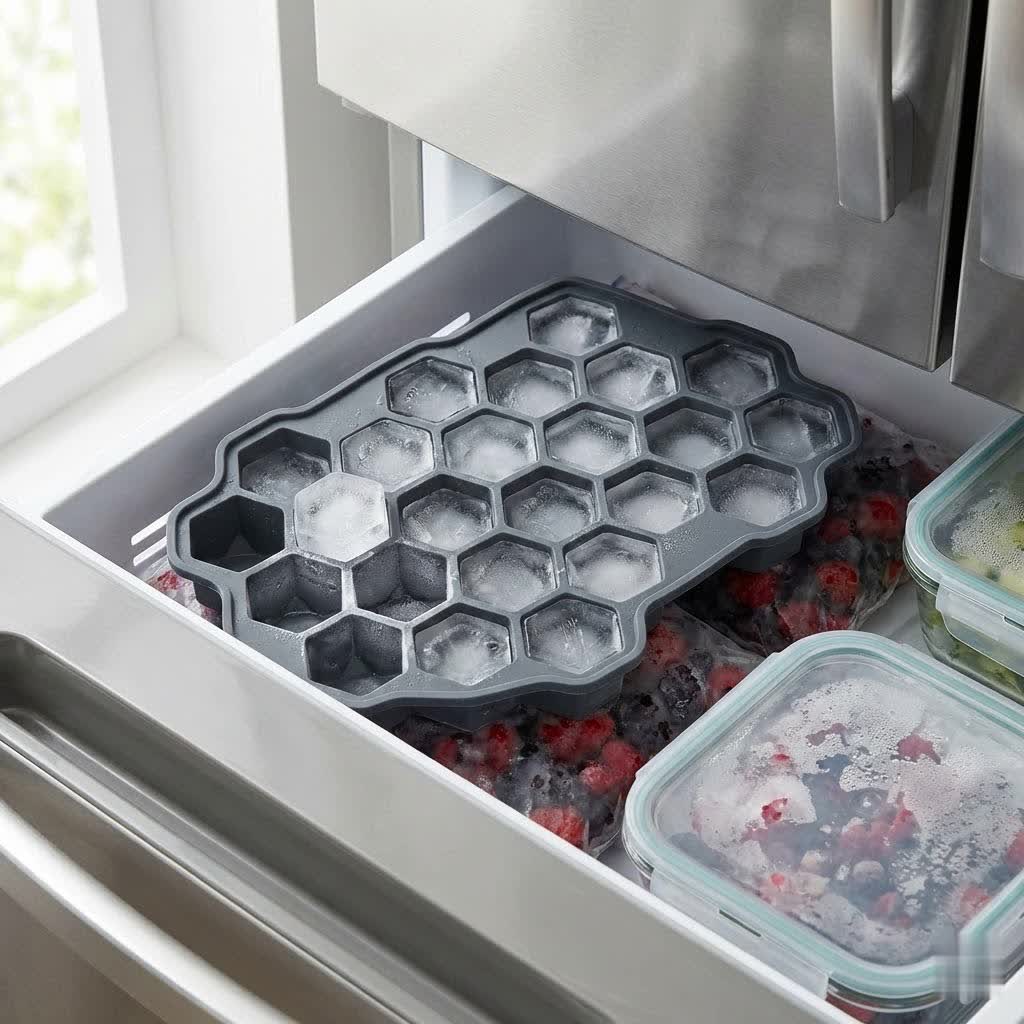
Have you ever wondered why your homemade ice cubes often appear cloudy, while those in upscale bars are perfectly transparent? The secret isn’t a complex piece of equipment; it often starts with a simple step you can take right in your kitchen: boiling your water before freezing. This seemingly counterintuitive practice can dramatically improve the quality and appearance of your ice, enhancing everything from your morning iced coffee to sophisticated evening cocktails. This guide will delve into the science behind cloudy ice and reveal how boiling, alongside other techniques, can help you achieve that coveted crystal-clear result.
Understanding Cloudy Ice: The Science Behind the Haze
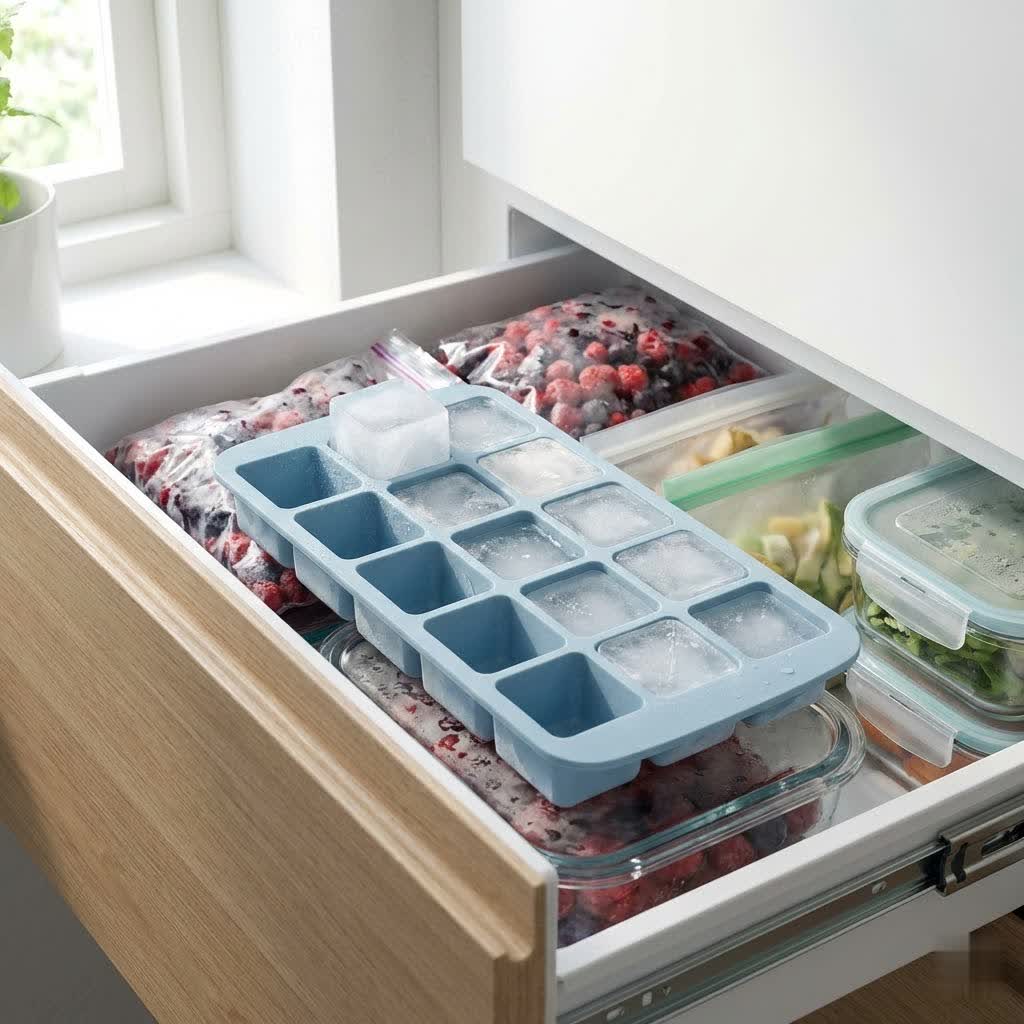
The cloudiness in regular ice cubes isn’t a sign of dirty water, but rather a common phenomenon rooted in the physical and chemical properties of water. Tap water contains dissolved gases, primarily oxygen and nitrogen, and various mineral impurities. When water begins to freeze in a standard ice tray, it typically freezes from the outside in, or from all sides simultaneously. As the water molecules crystallize into ice, they push these dissolved gases and impurities towards the center, or the last part of the water to freeze.
These trapped gases form microscopic air bubbles within the ice structure, which then reflect light, giving the ice its characteristic opaque, milky, or cloudy appearance. The faster the water freezes, the less time these elements have to escape, resulting in a higher concentration of trapped bubbles and a cloudier cube. Essentially, the cloudy center of your ice cube is a miniature collection of everything the freezing process tried to expel.
The Boiling Advantage: How Heat Transforms Water for Ice
Boiling water before freezing offers a significant advantage in the quest for clearer ice by tackling the root causes of cloudiness.
Eliminating Dissolved Gases
|
Our Picks for the Best Ice tray in 2026
As an Amazon Associate I earn from qualifying purchases.
|
||
| Num | Product | Action |
|---|---|---|
| 1 | OXO Good Grips Ice Cube Tray - 2 Pack White |

|
| 2 | Ice Cube Trays, Silicone Easy-Release and Flexible 14-Ice Trays with Spill-Resistant Removable Lid, BPA Free, Durable and Dishwasher Safe, 2 Pack |
|
| 3 | DOQAUS Ice Cube Tray with Lid and Bin - 4 Pack Silicone Ice Cube Trays for Freezer, Stackable Ice Bucket Kits with Storage Container & Scoop for Kitchen, RV, Cocktail, Coffee |
|
| 4 | WIBIMEN Ice Cube Tray with Lid and Bin - Round Ice Trays for Freezer with Lid - Ice Cube Trays for Freezer with Ice Container (1"-2PACK Blue) |
|
| 5 | WIBIMEN Mini Ice Cube Trays, 0.55” Tiny Pebble Ice for Iced Coffee & Cocktails, Fast Chill, Easy Twist Release, Stackable with Lid & Storage Bin (2 Pack, Blue) |
|
| 6 | Optish 3 Pack Ice Trays for Freezer, 99 PCS Ice Cube Tray with Lid and Bin, Round Ice Cube Mold, Circle Ice Maker for Chilling Drinks (0.8 inch, Blue) |
|
| 7 | Ice Cube Tray 5 Pack, Stackable Silicone Ice Cube Trays with Lid– Easy Release Reusable Ice Tray, BPA-Free Rectangular Ice Cube Mold Set for Cocktails, Coffee, Whiskey & Drinks- Black |
|
| 8 | ChefAide Ice Cube Tray with Lid, 2 Packs 28 Cubes Durable Stackable Ice Cube Trays for Freezer with Removable Lids, Easy-Release Plastic & Silicone Ice Tray for Cocktail, Coffee |
|
| 9 | NFK Ice Cube Tray with Lid & Bin - 4 Pack 48 Cubes Stackable Silicone Trays for Freezer with Storage Container, Leak-Proof Lids, BPA-Free, Easy Release for Kitchen, RV, Party, Cocktail & Coffee |
|
| 10 | ChefAide Ice Cube Tray with Lid, 4 Packs 56 Cubes Durable Stackable Ice Cube Trays for Freezer with Removable Lids, Easy-Release Plastic & Silicone Ice Tray for Cocktail, Coffee |
|
The primary reason boiling works is its effectiveness in removing dissolved gases from the water. As water heats up and reaches its boiling point, the dissolved gases become less soluble and escape into the atmosphere. This process de-aerates the water, significantly reducing the number of air bubbles that can become trapped during freezing. With fewer gas molecules to get in the way, the water can freeze into a more uniform and transparent crystalline structure, resulting in clearer ice.
Reducing Impurities
Beyond gases, tap water also contains various mineral impurities like calcium carbonate and magnesium carbonate. While boiling doesn’t remove all impurities, it can cause some of these mineral salts to precipitate out or settle. This means that when you use boiled and cooled water, there are fewer suspended solids to contribute to the cloudy appearance of your ice. The result is not just a reduction in air bubbles but also a slight purification of the water that lends itself to a cleaner freeze.
“Boiling water is a fundamental first step in crafting superior ice. By expelling dissolved gases, you’re setting the stage for a purer, more visually appealing cube that truly elevates any drink.” – Dr. Elena Petrova, Food Science Innovator
Beyond the Boil: Achieving Truly Crystal Clear Ice
While boiling is a powerful step, achieving truly crystal-clear ice often requires an understanding of how water freezes and implementing a technique known as directional freezing.
The Role of Slow, Directional Freezing
The key to perfect clarity lies in controlling the freezing process to mimic how clear ice forms in nature, such as in lakes. When a lake freezes, it does so from the top down, or from one primary direction. This slow, unidirectional freezing allows dissolved gases and impurities to be pushed downwards and out of the freezing ice layer, concentrating them into the last remaining unfrozen water. If this unfrozen, impurity-laden water is then removed, the result is a perfectly clear block of ice.
Methods for Directional Freezing
Combining boiling with directional freezing yields the best results. Here are popular methods:
- Cooler Method: Fill a small hard-sided cooler with boiled and cooled water. Place it in your freezer with the lid off. The insulation of the cooler slows down the freezing process, causing the water to freeze predominantly from the top down. After 18-24 hours, you’ll typically find a large block of clear ice on top, with a cloudy, unfrozen (or partially frozen) section at the bottom containing the expelled impurities. You can then cut the clear ice from this block.
- Insulated Tray Systems: Several commercial products are designed to achieve directional freezing in regular freezer compartments. These systems typically involve a mold placed within an insulated container, ensuring that water freezes slowly from one direction.
Step-by-Step Guide: How to Boil and Freeze for Clearer Ice
Ready to upgrade your ice game? Here’s a simple guide to using boiled water for clearer ice cubes:
- Boil Your Water: Fill a pot or kettle with tap water. Bring it to a rolling boil for at least 5 minutes. For even better results, some enthusiasts advocate for a double boil: let the water cool completely after the first boil, then bring it to a boil a second time. This maximizes the removal of dissolved gases.
- Allow to Cool: Crucially, let the boiled water cool down to room temperature before pouring it into your ice trays. Pouring hot water directly into plastic ice trays can damage them or release chemicals, and it also wastes energy as your freezer works harder.
- Pour into Trays: Once cooled, carefully pour the de-aerated water into your ice cube trays. Don’t overfill them to prevent spillage and allow for ice expansion.
- Cover (Optional, but Recommended): Cover the ice trays with plastic wrap or a lid. This helps prevent freezer odors from being absorbed by the water and further minimizes the introduction of air.
- Freeze Slowly: Place the covered trays in your freezer. If you’re using standard trays, placing them in a slightly warmer part of the freezer (like towards the front) or in an insulated container can promote slower freezing, contributing to clearer ice. Freeze for at least 4-6 hours, or until solid.
Benefits of Clearer Ice Cubes
Beyond the visual appeal, clearer ice cubes offer several tangible advantages:
- Elevated Aesthetics and Presentation: Crystal-clear ice cubes instantly elevate the appearance of any drink, making cocktails look more professional and refreshing beverages more inviting. They reflect light beautifully, adding a touch of elegance.
- Slower Melting Rate: Because clear ice contains fewer trapped air bubbles, it is denser than cloudy ice. This density means it melts more slowly, which is crucial for preventing rapid dilution of your drinks. Your whiskey on the rocks stays strong, and your iced tea remains flavorful for longer.
- Purer Taste Experience: By reducing dissolved gases and some impurities, the water used for clear ice is often “purer” in taste. This ensures that your ice doesn’t impart any unwanted flavors or odors to your beverages, allowing the true notes of your drink to shine through.
- Enhanced Sensory Experience: The combination of visual appeal, slower dilution, and purer taste creates an overall superior sensory experience. It’s not just about what you drink, but how you drink it.
Common Myths and Misconceptions
Despite the benefits, there are a few common misconceptions about boiling water for ice:
- Boiling alone guarantees perfect clarity: While boiling significantly improves clarity, it typically won’t result in the perfectly transparent, artisan-style ice you might see in high-end bars. For that, you often need to combine boiling with directional freezing techniques. Boiling is an excellent starting point, but not a magical cure-all for ultimate clarity.
- Boiling removes all impurities: Boiling primarily removes dissolved gases and can precipitate some mineral salts. It does not purify water entirely, nor does it remove all dissolved solids or contaminants. For extremely pure ice, using distilled or demineralized water in conjunction with boiling and directional freezing would be necessary.
Conclusion
The journey from cloudy, everyday ice to clearer, more refined cubes begins with a simple yet effective technique: boiling your water. By eliminating dissolved gases and reducing mineral impurities, you can significantly enhance the visual appeal, taste, and longevity of your ice. While combining boiling with directional freezing methods will yield the most spectacular, crystal-clear results, even a single boil can make a noticeable difference in your ice-making endeavors. This small effort transforms ordinary drinks into extraordinary experiences, proving that attention to detail, even with something as simple as ice, truly matters. So, why not try boiling your water tonight and discover the difference for yourself? What’s your favorite drink to enjoy with perfectly clear ice?
Frequently Asked Questions
Why do my regular ice cubes look cloudy?
Regular ice cubes appear cloudy due to dissolved gases and mineral impurities trapped within the water as it freezes. As water solidifies, these elements are pushed to the center, forming tiny air bubbles that reflect light, creating an opaque appearance.
Does boiling water make ice cubes freeze faster?
While there’s a phenomenon called the Mpemba effect where hot water can sometimes freeze faster than cold water under specific conditions, the primary reason for boiling water for ice cubes is to remove dissolved gases for clarity, not to accelerate the freezing process. For optimal clarity, slow freezing is generally preferred.