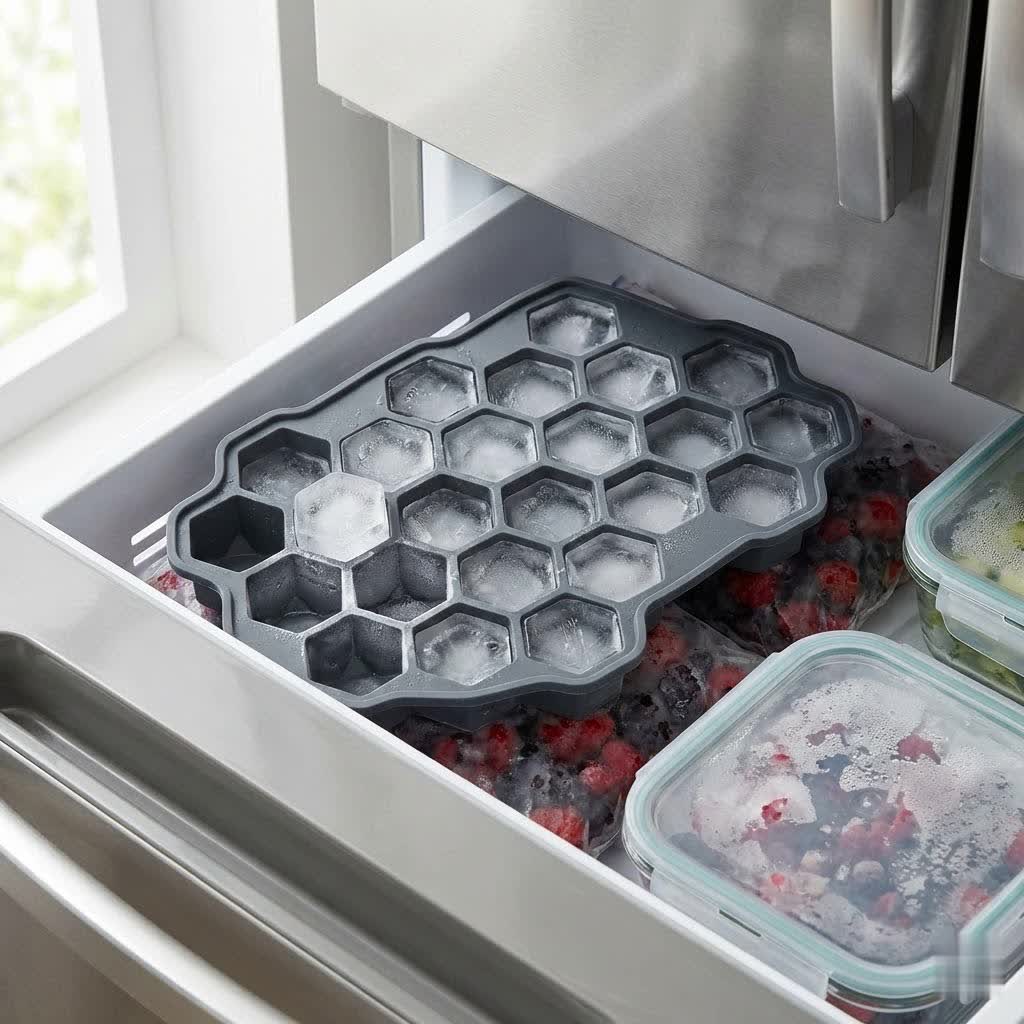
There’s nothing quite like a refreshing iced latte on a warm day, but the enjoyment can quickly diminish as melting ice dilutes your perfectly crafted drink. If you’ve ever experienced the disappointment of a watery iced coffee, you’re not alone. The solution, however, is simpler and more delicious than you might imagine: coffee ice cubes. These ingenious frozen blocks of coffee ensure your iced beverages stay robust and flavorful from the first sip to the last, transforming your homemade latte experience. This guide will walk you through everything you need to know to create your own coffee cubes, keeping your drinks bold and undiluted.
What are Coffee Cubes and Why You Need Them?
Coffee cubes are precisely what they sound like: brewed coffee frozen into ice cube form. Their primary role is to prevent the inevitable dilution that occurs when regular water ice melts into your iced coffee or latte. Instead of diluting your drink with plain water, coffee ice cubes slowly release more coffee flavor as they melt, maintaining the richness and intensity of your beverage. This simple trick is a game-changer for anyone who savors their iced drinks slowly or enjoys a strong coffee taste.
Beyond their main purpose in iced lattes, coffee cubes offer versatile applications in your kitchen and at your home bar. They can be used to add a coffee kick to smoothies, create unique coffee cocktails, or even quickly cool down a fresh hot brew without sacrificing flavor. Their rise in popularity stems from their practicality and ability to elevate a simple drink into a consistently enjoyable experience. From reducing waste by freezing leftover coffee to providing a convenient base for quick iced beverages, coffee cubes are a smart addition to any coffee lover’s routine.
Choosing the Right Coffee and Tray for Your Cubes
The quality of your coffee cubes begins with the coffee you choose and the tray you freeze them in. Selecting the right components ensures a flavorful result and an easy process.
When it comes to the type of coffee, almost any brewed coffee can be used. For a truly impactful flavor, many enthusiasts recommend brewing your coffee slightly stronger than usual, as freezing can sometimes mellow the intensity. Cold brew concentrate is an excellent choice for its smooth, low-acid profile, while espresso shots or strong drip coffee work equally well. Even instant coffee can be brewed strong and frozen. Consider using decaf coffee if you want to enjoy a flavorful iced latte in the evening without the caffeine kick. The key is to use a coffee you genuinely enjoy, as its flavor will be concentrated in the cubes.
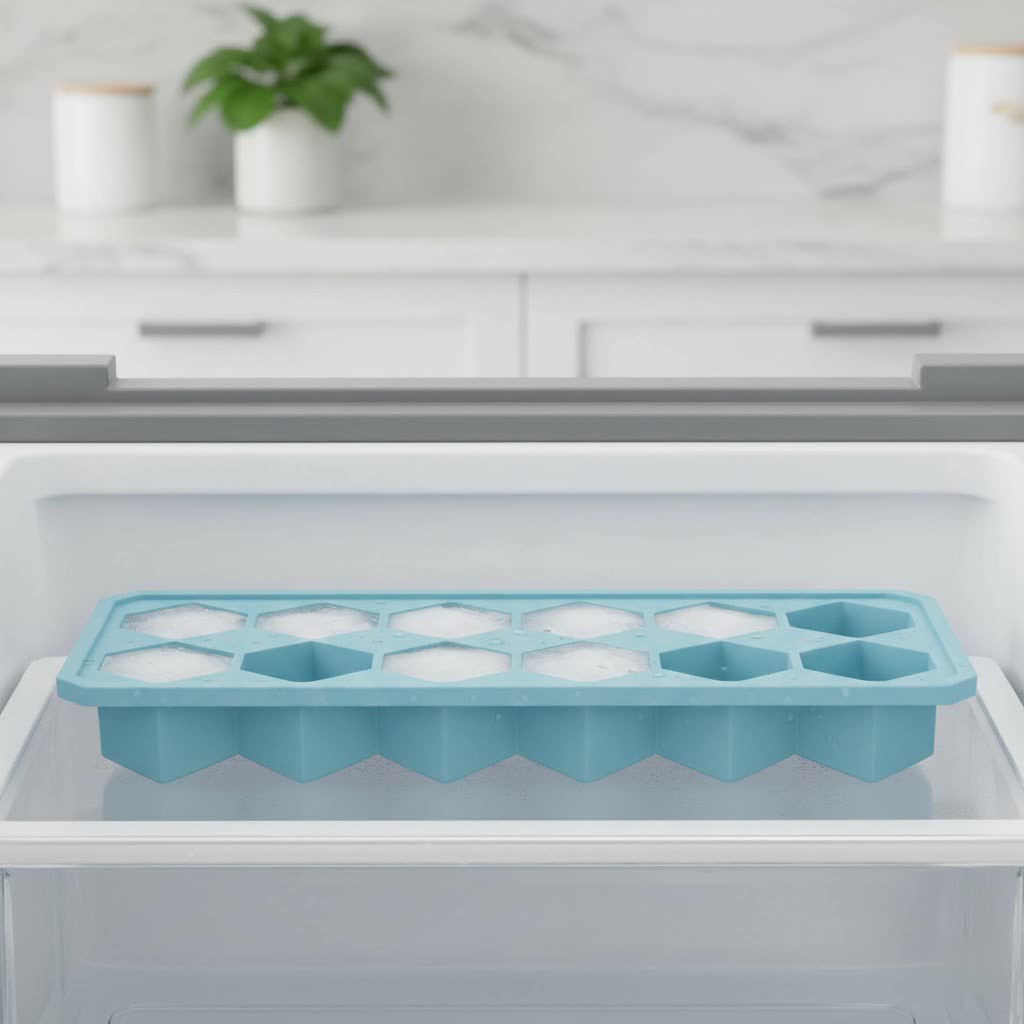
For ice tray materials, each type offers distinct advantages and disadvantages when freezing coffee. Silicone ice trays are widely favored due to their flexibility, which makes releasing frozen coffee cubes incredibly easy. They are also generally BPA-free and durable. However, silicone can sometimes absorb odors if not cleaned thoroughly, so it’s wise to dedicate a tray specifically for coffee. Plastic ice trays are inexpensive and readily available, but they can be rigid, making cube removal more challenging, and some older models may contain BPA. They are also prone to cracking over time. Stainless steel ice trays are durable, easy to clean, and non-reactive, ensuring no unwanted flavors. However, they are typically the most expensive option and can be challenging to release cubes from without a specific lever mechanism. Consider trays that produce larger cubes, as they melt slower, further prolonging the undiluted flavor of your drink.
Step-by-Step: How to Freeze Coffee Cubes Perfectly
Crafting perfect coffee cubes is a straightforward process that requires minimal effort but yields maximum enjoyment. Follow these simple steps for consistently great results.
Brewing the coffee: Start by brewing your favorite coffee. Whether it’s espresso, drip, French press, or cold brew, aim for a slightly stronger concentration than you typically would for drinking hot. This ensures a rich flavor that won’t get lost when combined with milk or other ingredients in your latte. If you’re using leftover coffee from your morning pot, that works wonderfully too, making coffee cubes an excellent way to reduce waste.
Cooling the coffee: This is a crucial step that many overlook. After brewing, allow your coffee to cool completely to room temperature before pouring it into the ice cube trays. Pouring hot coffee directly into trays, especially plastic ones, can cause the material to warp and can also lead to a cloudy appearance in your frozen cubes. Cooling also helps prevent thermal shock in your freezer, which can affect other frozen items.
Pouring into trays: Once cooled, carefully pour the coffee into your chosen ice cube trays. Avoid overfilling, as liquids expand when frozen. Filling them about 90% full is usually ideal to prevent spillages and ensure neat cubes. If you’re using a silicone tray, place it on a flat surface or a small baking sheet before filling to provide stability when transferring it to the freezer.
Freezing process: Gently transfer the filled trays to your freezer. For best results, place them on a level shelf where they won’t be disturbed. Allow them to freeze for at least 3 to 4 hours, or preferably overnight, until they are completely solid. A consistent freezer temperature of 0°F (-18°C) is optimal for efficient freezing.
Storage: Once the coffee cubes are fully frozen, pop them out of the trays. To prevent freezer burn and to keep them tasting fresh, transfer them to an airtight freezer-safe container or a resealable freezer bag. This also frees up your ice cube trays for more coffee batches or regular ice. Stored properly, coffee cubes can last for several weeks, ready to enhance your iced lattes whenever you crave them.
Detailed Comparison Table: Ice Tray Types for Coffee Cubes
| Feature | Plastic Ice Trays | Silicone Ice Trays | Stainless Steel Ice Trays |
|---|---|---|---|
| Price | Low | Medium | High |
| Ease of Release | Difficult (requires twisting) | Very Easy (flexible) | Difficult (can stick) |
| Durability | Low (prone to cracking) | Medium | High (very robust) |
| Odor Absorption | Low | Medium (can absorb) | Low |
| BPA-Free Options | Varies | Common | Always |
| Versatility | Basic cube shapes | High (various shapes/sizes) | Basic cube shapes |
Pro Tips for Elevating Your Coffee Cubes
Beyond the basic freezing process, there are several ways to enhance your coffee cubes and take your iced lattes to the next level. These simple adjustments can add layers of flavor and convenience.
Consider flavor infusions to add a delightful twist to your coffee cubes. A few drops of vanilla extract, a pinch of cinnamon, or a teaspoon of cocoa powder stirred into the cooled coffee before freezing can create subtly flavored cubes that complement your latte. For a richer, sweeter touch, you could even add a splash of your favorite coffee syrup. These infused cubes add complexity without needing extra ingredients in your finished drink.
For an even richer and creamier iced latte experience, try layering with milk or cream. Instead of just freezing plain coffee, you can add a bit of milk, half-and-half, or even a dairy-free alternative to your coffee before freezing. Some people even create two-tone cubes by partially freezing coffee, then adding a layer of milk and freezing again. This introduces a creamy element that slowly melts into your latte, enhancing its texture and taste.
Using leftover coffee is not only economical but also an excellent way to reduce food waste. Instead of pouring out that last bit of cold coffee from your morning pot, transform it into future iced latte gold. This practice ensures that no drop of your precious brew goes to waste and keeps your freezer stocked with ready-to-use cubes.
Finally, consider batch freezing to ensure you always have a supply of coffee cubes on hand. Dedicate a few ice cube trays to coffee, and once a week, make a large batch. Once frozen, transfer them to a large freezer-safe bag or container. This makes grab-and-go iced lattes incredibly convenient, saving you time during busy mornings and ensuring you’re never without your favorite diluted-free treat.
Top Picks: Recommended Ice Trays for Coffee Cubes
Choosing the right ice tray can significantly impact the ease and enjoyment of making coffee cubes. Based on user reviews and features ideal for coffee, here are some top recommendations:
-
OXO Good Grips Silicone Ice Cube Tray: This tray is a favorite for its durable silicone construction and a unique lid that helps prevent spills and freezer odors from permeating your coffee. The silicone makes releasing cubes effortless, and the capacity is perfect for standard iced latte servings. It’s also dishwasher safe for easy cleaning.
-
Kootek 2-Pack Large Silicone Ice Cube Trays: For those who prefer larger, slower-melting cubes, the Kootek trays are an excellent choice. They produce oversized cubes (often 2-inch squares), which are fantastic for big iced lattes or cold brew. Made from food-grade silicone, they are flexible and come with lids, making them a practical option for batch freezing.
-
W&P Peak Ice Works Silicone Everyday Ice Tray: Known for their sleek design and high-quality construction, W&P offers silicone trays that are both functional and aesthetically pleasing. Their trays often feature a steel frame for easy transport and a tight-fitting lid, making them ideal for freezing coffee without spills. The cubes are well-formed and release cleanly.
These trays are chosen for their ease of use, durability, and ability to keep your coffee cubes fresh and ready for your next iced latte.
“Freezing your leftover coffee is a brilliant way to prevent waste and ensure your iced drinks never get diluted. It’s a simple habit that significantly upgrades your home coffee bar experience.” – Sarah Thompson, Barista & Coffee Consultant
Conclusion
Embracing coffee cubes is a simple yet revolutionary step in enjoying consistently delicious iced lattes at home. By preventing dilution, these frozen delights ensure every sip of your favorite beverage remains as rich and flavorful as the first. From selecting the right coffee and ice tray to mastering the freezing and storage techniques, you now have all the knowledge to transform your iced coffee routine. Experiment with different coffee types and subtle flavor infusions to customize your cubes, making each iced latte a unique and satisfying experience. Say goodbye to watered-down drinks and hello to a world of perfectly chilled, full-bodied coffee enjoyment. What new flavor combinations will you create with your next batch of coffee cubes?
Frequently Asked Questions
Can I use any type of coffee for coffee cubes?
|
Our Picks for the Best Ice tray in 2026
As an Amazon Associate I earn from qualifying purchases.
|
||
| Num | Product | Action |
|---|---|---|
| 1 | ChefAide Ice Cube Tray with Lid, 4 Packs 56 Cubes Durable Stackable Ice Cube Trays for Freezer with Removable Lids, Easy-Release Plastic & Silicone Ice Tray for Cocktail, Coffee |

|
| 2 | Ice Cube Trays, Silicone Easy-Release and Flexible 14-Ice Trays with Spill-Resistant Removable Lid, BPA Free, Durable and Dishwasher Safe, 2 Pack |
|
| 3 | Optish 3 Pack Ice Trays for Freezer, 99 PCS Ice Cube Tray with Lid and Bin, Round Ice Cube Mold, Circle Ice Maker for Chilling Drinks (0.8 inch, Blue) |
|
| 4 | ChefAide Ice Cube Tray with Lid, 2 Packs 28 Cubes Durable Stackable Ice Cube Trays for Freezer with Removable Lids, Easy-Release Plastic & Silicone Ice Tray for Cocktail, Coffee |
|
| 5 | Ice Cube Tray 5 Pack, Stackable Silicone Ice Cube Trays with Lid– Easy Release Reusable Ice Tray, BPA-Free Rectangular Ice Cube Mold Set for Cocktails, Coffee, Whiskey & Drinks- Black |
|
| 6 | NFK Ice Cube Tray with Lid & Bin - 4 Pack 48 Cubes Stackable Silicone Trays for Freezer with Storage Container, Leak-Proof Lids, BPA-Free, Easy Release for Kitchen, RV, Party, Cocktail & Coffee |
|
| 7 | DOQAUS Ice Cube Tray with Lid and Bin - 4 Pack Silicone Ice Cube Trays for Freezer, Stackable Ice Bucket Kits with Storage Container & Scoop for Kitchen, RV, Cocktail, Coffee |
|
| 8 | WIBIMEN Ice Cube Tray with Lid and Bin - Round Ice Trays for Freezer with Lid - Ice Cube Trays for Freezer with Ice Container (1"-2PACK Blue) |
|
| 9 | WIBIMEN Mini Ice Cube Trays, 0.55” Tiny Pebble Ice for Iced Coffee & Cocktails, Fast Chill, Easy Twist Release, Stackable with Lid & Storage Bin (2 Pack, Blue) |
|
| 10 | OXO Good Grips Ice Cube Tray - 2 Pack White |
|
Yes, absolutely! You can use virtually any brewed coffee—drip, espresso, cold brew, or even instant coffee. For the best flavor in your iced lattes, consider brewing your coffee a bit stronger than usual, as freezing can slightly mellow its taste.
How long do coffee cubes last in the freezer?
When stored in an airtight container or freezer-safe bag, coffee cubes can last in the freezer for up to 2-4 weeks without significant loss of flavor. Beyond that, they might start to develop freezer burn or absorb freezer odors.
Do coffee cubes make my iced latte too strong?
Coffee cubes are designed to maintain the strength of your iced latte rather than making it excessively strong. As they melt, they release more coffee, not water, ensuring your drink retains its original flavor intensity from start to finish.
What’s the best way to store coffee cubes?
After freezing, remove the coffee cubes from their trays and transfer them to an airtight freezer-safe container or a resealable freezer bag. This prevents freezer burn, protects them from absorbing other freezer odors, and keeps them fresh for longer.
Can I add milk or sweeteners to coffee cubes before freezing?
You can! For a creamy or pre-sweetened kick, stir in a splash of milk, cream, or a small amount of sweetener (like sugar or syrup) to your cooled coffee before freezing. This creates flavored cubes that can further enhance your iced lattes.
Are silicone trays better than plastic for coffee cubes?
Silicone trays are generally preferred for coffee cubes due to their flexibility, which makes releasing the frozen cubes much easier. Plastic trays can be more rigid, making removal challenging, though they are often more affordable.