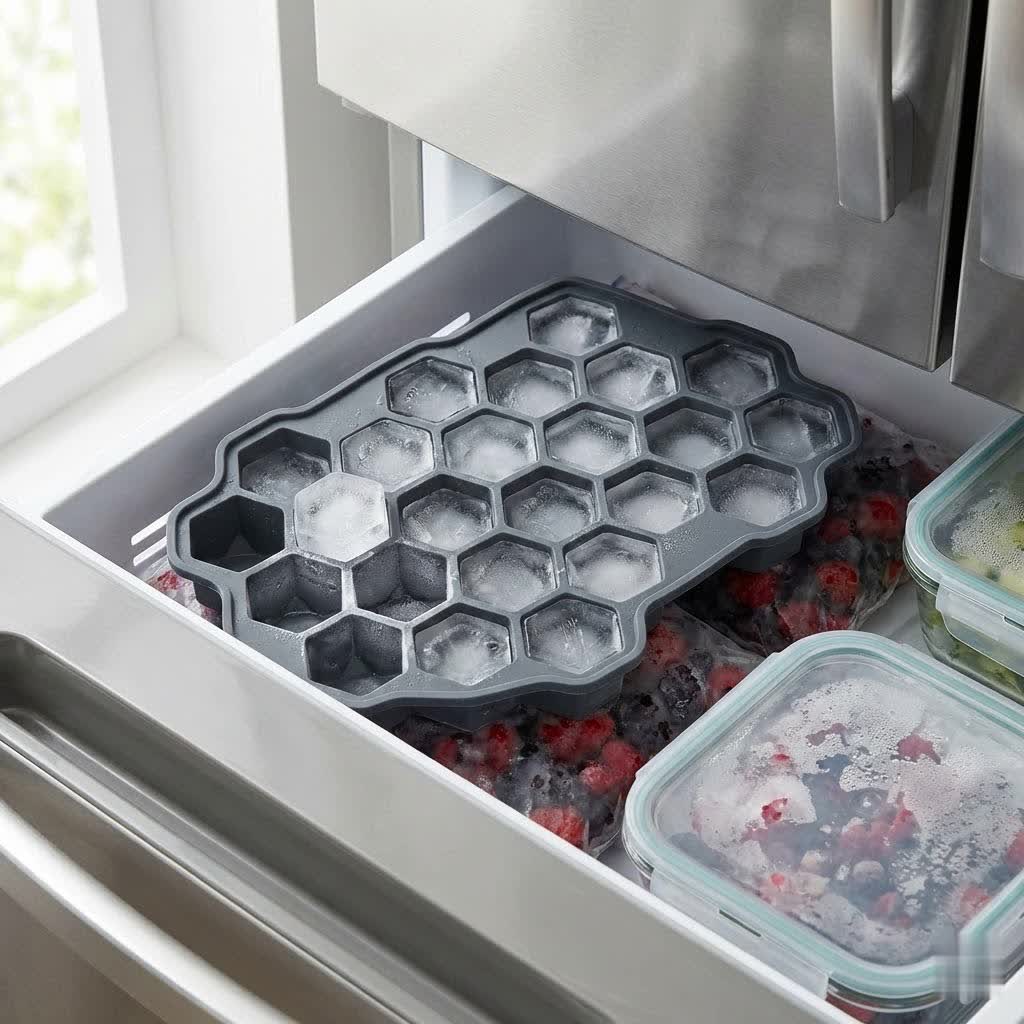
The humble ice tray, often overlooked, holds a crucial role in our daily routines, from chilling refreshing drinks to preserving herbs. But have you ever considered what your ice tray is made of and how it might impact your health? In an era where consumer awareness around plastics and their potential effects on well-being is at an all-time high, understanding the importance of BPA-free plastic ice trays is more critical than ever, especially as we navigate 2026 and evolving global standards.
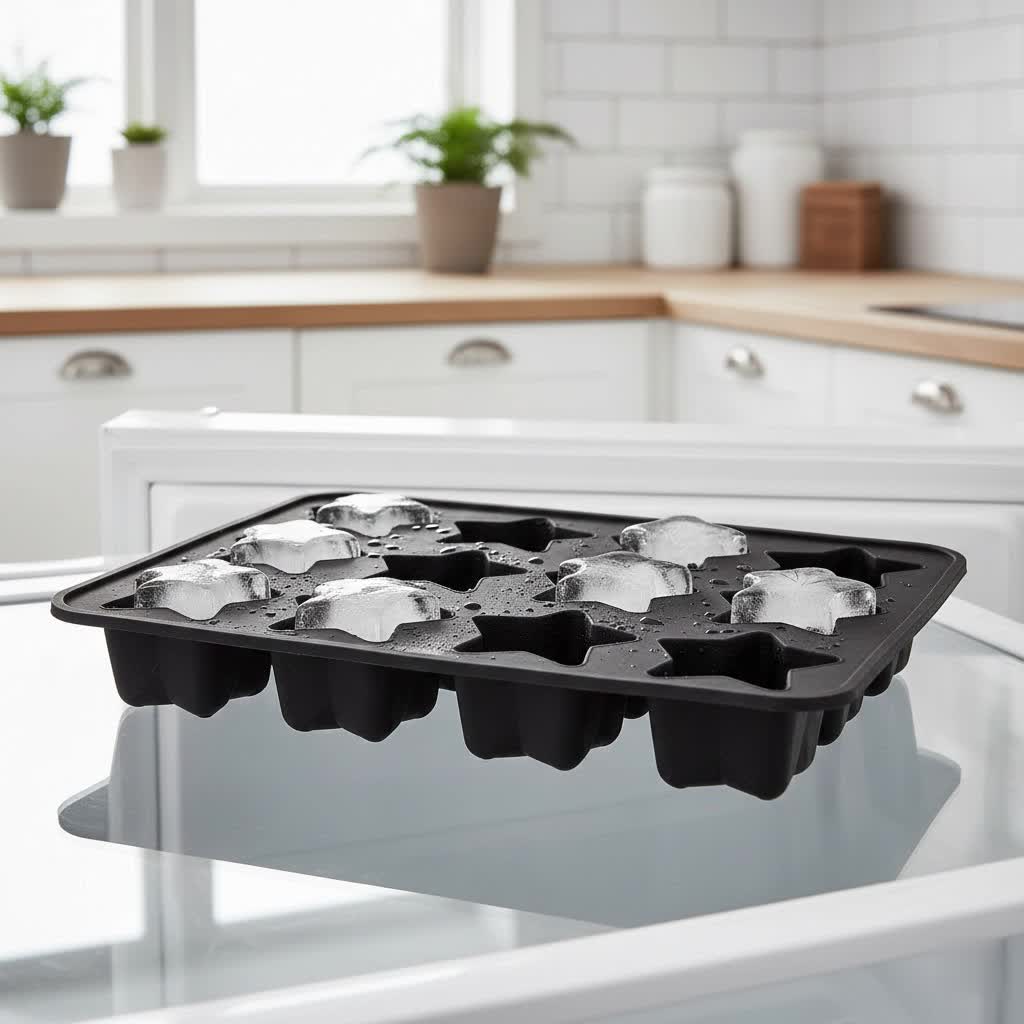
Understanding BPA: The Unwanted Chemical in Your Ice Tray
Bisphenol A (BPA) is an industrial chemical widely used since the 1960s to make certain plastics, primarily polycarbonate, and epoxy resins. These materials have historically been common in various consumer products, including food and beverage containers, water bottles, and, yes, even ice trays. The primary concern with BPA stems from its ability to leach into food and beverages. This leaching can occur more readily when the plastic is exposed to heat, such as during washing, or when it becomes scratched and worn over time. Intriguingly, research indicates that BPA can transfer into ice cubes even at freezing temperatures, meaning you could be consuming small amounts of this chemical with every sip.
Once ingested, BPA is known to act as an endocrine disruptor, meaning it can mimic estrogen and interfere with the body’s natural hormonal balance. This disruption has been linked to a range of potential health problems. Studies suggest connections to hormone-related cancers, including breast and prostate cancer, as well as reproductive disorders like infertility and Polycystic Ovary Syndrome (PCOS). Furthermore, BPA exposure is a particular concern for vulnerable populations, such as fetuses, infants, and young children, due to possible effects on brain development and behavior. Beyond these, researchers have explored links between BPA and metabolic issues like type 2 diabetes and obesity, as well as cardiovascular conditions, including increased blood pressure.
The Nuance of “BPA-Free”: A Closer Look at Alternatives
The rise in awareness regarding BPA’s potential health implications has led to a significant market shift, with many manufacturers proudly labeling their products “BPA-free.” While this label offers a sense of reassurance, it’s vital to understand that “BPA-free” doesn’t automatically equate to complete safety. In some cases, manufacturers replace BPA with similar chemicals like Bisphenol S (BPS) or Bisphenol F (BPF).
These bisphenol alternatives, while chemically different from BPA, can possess similar endocrine-disrupting properties. Ongoing research suggests that BPS and BPF may also interfere with hormonal regulation, brain development, and metabolic functions, raising concerns about their long-term health effects. Unfortunately, the presence of these substitute chemicals is rarely disclosed on product labels, and they can still leach into food and drinks, particularly under conditions of heat or prolonged storage. Therefore, while “BPA-free” is a step in the right direction, it underscores the need for consumers to remain vigilant and consider the specific type of plastic used.
Navigating the Materials: What to Look for in 2026
When choosing an ice tray, understanding different materials is crucial for making an informed decision about safety and durability.
Plastic Types
Not all plastics are created equal. Older plastic ice trays, especially those manufactured before 2012, are more likely to contain BPA. To identify potentially problematic plastics, look for products marked with recycling codes #3 (PVC) or #7 (“Other”), as these may contain BPA unless explicitly labeled otherwise. It’s generally best to avoid these for food contact if safety is a primary concern.
For safer plastic alternatives, several types are widely used:
- Polypropylene (PP), identified by recycling code #5: This material is considered one of the safest for food storage due to its versatility and excellent chemical resistance. It’s often found in various food applications.
- High-Density Polyethylene (HDPE), identified by recycling code #2: Another highly recommended option for food contact, HDPE is known for its durability and safety profile.
- Tritan co-polyester: This is a popular BPA-free plastic alternative, especially for transparent products, lauded for its toughness, clarity, and resistance to harsh cleaning protocols [cite: 1, 5 (Eastman)].
|
Our Picks for the Best Ice tray in 2026
As an Amazon Associate I earn from qualifying purchases.
|
||
| Num | Product | Action |
|---|---|---|
| 1 | ChefAide Ice Cube Tray with Lid, 2 Packs 28 Cubes Durable Stackable Ice Cube Trays for Freezer with Removable Lids, Easy-Release Plastic & Silicone Ice Tray for Cocktail, Coffee |

|
| 2 | OXO Good Grips Ice Cube Tray - 2 Pack White |
|
| 3 | Optish 3 Pack Ice Trays for Freezer, 99 PCS Ice Cube Tray with Lid and Bin, Round Ice Cube Mold, Circle Ice Maker for Chilling Drinks (0.8 inch, Blue) |
|
| 4 | WIBIMEN Mini Ice Cube Trays, 0.55” Tiny Pebble Ice for Iced Coffee & Cocktails, Fast Chill, Easy Twist Release, Stackable with Lid & Storage Bin (2 Pack, Blue) |
|
| 5 | WIBIMEN Ice Cube Tray with Lid and Bin - Round Ice Trays for Freezer with Lid - Ice Cube Trays for Freezer with Ice Container (1"-2PACK Blue) |
|
| 6 | DOQAUS Ice Cube Tray with Lid and Bin - 4 Pack Silicone Ice Cube Trays for Freezer, Stackable Ice Bucket Kits with Storage Container & Scoop for Kitchen, RV, Cocktail, Coffee |
|
| 7 | Ice Cube Trays, Silicone Easy-Release and Flexible 14-Ice Trays with Spill-Resistant Removable Lid, BPA Free, Durable and Dishwasher Safe, 2 Pack |
|
| 8 | NFK Ice Cube Tray with Lid & Bin - 4 Pack 48 Cubes Stackable Silicone Trays for Freezer with Storage Container, Leak-Proof Lids, BPA-Free, Easy Release for Kitchen, RV, Party, Cocktail & Coffee |
|
| 9 | Ice Cube Tray 5 Pack, Stackable Silicone Ice Cube Trays with Lid– Easy Release Reusable Ice Tray, BPA-Free Rectangular Ice Cube Mold Set for Cocktails, Coffee, Whiskey & Drinks- Black |
|
| 10 | ChefAide Ice Cube Tray with Lid, 4 Packs 56 Cubes Durable Stackable Ice Cube Trays for Freezer with Removable Lids, Easy-Release Plastic & Silicone Ice Tray for Cocktail, Coffee |
|
While these plastics are generally safer, remember that repeated exposure to high heat (e.g., in a dishwasher) can still degrade plastics over time, potentially leading to chemical leaching regardless of their initial BPA-free status.
Beyond Plastic
For those seeking alternatives entirely free from plastic, two materials stand out:
- Food-Grade Silicone: Silicone ice trays have surged in popularity due to their flexibility, which makes ice release effortless. They are generally considered healthier than many plastic options, being free from BPA and phthalates, heat-resistant, and non-reactive. However, quality matters; ensure you choose trays made from 100% platinum or food-grade silicone to avoid undisclosed fillers and additives.
- Stainless Steel: Often hailed as the healthiest and most durable choice, stainless steel ice trays are non-toxic and do not leach harmful chemicals. They are highly resistant to odors and stains, can last for years without cracking or warping, and may even freeze ice quicker than non-metal alternatives. While typically a higher upfront investment, their longevity makes them a sustainable and cost-effective choice in the long run.
Global Shifts: BPA Regulations and What 2026 Means
The regulatory landscape concerning BPA in food contact materials is continually evolving, reflecting increased scientific understanding and public health priorities. Notably, the European Union has taken a decisive stance, implementing a comprehensive ban on BPA in all food contact materials [cite: 2, 1 (EU)]. This ban officially came into effect for BPA-containing plastics, such as polycarbonate, in January 2025 [cite: 5 (Eastman)].
For consumers and businesses, understanding the transitional periods set by these regulations is particularly important, especially as we look at 2026. For single-use final food contact articles that contain BPA, many finished products could still be sold until July 20, 2026 [cite: 1 (EU), 2 (EU)]. Some specific categories, like packaging for certain fruits, vegetables, and fishery products, or items with BPA-containing varnishes applied only to an exterior metal surface, may have a longer derogation until January 20, 2028 [cite: 1 (EU), 2 (EU)].
For reusable food contact articles, including items like certain ice trays, products containing BPA could be first placed on the market until July 20, 2026, and remain on the market until July 20, 2027 [cite: 2 (EU), 3 (EU)]. Professional food production equipment with BPA might see an even longer grace period, remaining on the market until January 20, 2029 [cite: 3 (EU)]. These dates, clarified by Regulation (EU) 2026/250 in February 2026, underscore a clear global movement towards eliminating BPA from our food chain [cite: 2 (EU), 3 (EU)]. This means that by 2026 and beyond, you can expect to see fewer BPA-containing plastic products, reinforcing the importance of choosing explicitly BPA-free options for your home.
Choosing Your Perfect Ice Tray: A Buyer’s Guide
Selecting the ideal ice tray goes beyond just the material; it involves a thoughtful consideration of your lifestyle and health priorities.
- Assess Your Needs: Consider how frequently you use ice and for what purpose. Do you need small cubes for everyday drinks, large spheres for cocktails, or specialized shapes for baby food? Your usage will guide your material and design choices.
- Prioritize Safety & Transparency: Always look for clear “BPA-free” labeling. Don’t hesitate to research the specific plastic type (e.g., PP or HDPE) or opt for inherently safer materials like food-grade silicone or stainless steel to minimize exposure to all bisphenols.
- Check Recycling Codes (for plastics): If a plastic tray isn’t explicitly labeled BPA-free, be cautious with items marked with recycling codes #3 or #7. Prefer #2 (HDPE) or #5 (PP) when choosing plastic.
- Read User Reviews: Gain insights from other consumers about a product’s durability, ease of use, and whether it retains odors or stains over time. Real-world experiences can be invaluable.
- Consider Size and Form Factor: Think about your freezer space and how easily the trays stack. Lidded trays are excellent for preventing spills and odors but may take up more vertical space.
Maximizing Safety and Longevity: Care Tips for Your Ice Trays
Proper care can extend the life of your ice trays and further reduce any potential chemical exposure.
- Initial Wash: Always wash new ice trays thoroughly with warm, soapy water before their first use to remove any manufacturing residues or dust.
- Don’t Overfill: Fill trays only to the recommended level to prevent cubes from sticking together and making a mess in your freezer.
- Use Filtered Water: For clearer, cleaner-tasting ice and to minimize potential contaminants, consider using filtered water.
- Regular Cleaning: Wash your ice trays frequently. This prevents the buildup of bacteria, odors, and mineral deposits, ensuring fresh-tasting ice every time.
- Avoid Extreme Heat: While some BPA-free plastics are dishwasher-safe, prolonged exposure to high heat can still stress any plastic, potentially leading to degradation. Handwashing can be a gentler option to preserve the material’s integrity over time. Store trays away from direct sunlight or heat sources.
Top Picks: Recommended BPA-Free Ice Tray Options
In today’s market, excellent BPA-free ice tray options abound across various materials, offering both safety and convenience.
- Premium Stainless Steel Trays: For those seeking the ultimate in durability and chemical-free peace of mind, high-quality stainless steel trays are an unparalleled choice. They are built to last a lifetime, resist odors, and add a touch of timeless elegance to your kitchen.
- High-Quality Food-Grade Silicone Trays: Offering superior flexibility for easy ice removal, food-grade silicone trays are a popular and safe option. Look for products made from 100% platinum-cured silicone, often featuring reinforced rims and snug-fitting lids to prevent spills and keep ice fresh. They come in a multitude of shapes and sizes, from classic cubes to sophisticated spheres.
- Durable BPA-Free Plastic (PP/HDPE) Options: If you prefer the lightweight and often more affordable nature of plastic, select trays explicitly made from Polypropylene (#5) or High-Density Polyethylene (#2). Many modern designs incorporate features like easy-release mechanisms and stackable lids, combining convenience with certified BPA-free materials.
Conclusion: Making an Informed Choice for Healthier Hydration
Choosing BPA-free plastic ice trays, or opting for alternatives like silicone and stainless steel, is a significant step towards safeguarding your health and ensuring what you consume is pure. With growing scientific understanding and stricter regulations taking hold in 2026, the shift away from harmful chemicals like BPA is no longer just a trend, but a standard. By understanding the risks, recognizing truly safe materials, and making conscious purchasing decisions, you empower yourself to create a healthier home environment. Invest in your health—and your daily refreshment—by selecting the best ice tray for your needs.
What changes will you make to your ice routine this year to ensure a safer, healthier future for you and your family?
Frequently Asked Questions
Are all “BPA-free” plastics safe?
No, “BPA-free” doesn’t automatically guarantee complete safety. Some manufacturers replace BPA with similar chemicals like BPS or BPF, which are also linked to endocrine-disrupting effects and are still under scientific scrutiny. It’s advisable to look for products made from well-established safe plastics like polypropylene (#5), HDPE (#2), or non-plastic alternatives such as food-grade silicone or stainless steel.
Can BPA leach from ice trays even when frozen?
Yes, studies indicate that BPA can leach from plastic containers into food and beverages, including ice cubes, even at freezing temperatures. While heat can accelerate the leaching process, the chemical transfer can still occur over time, especially if the plastic is scratched or worn.
How often should I replace my plastic ice trays?
If you have older plastic ice trays (pre-dating 2012) or any not explicitly labeled “BPA-free,” it’s wise to consider replacing them immediately. Even newer BPA-free plastic trays can degrade over time with repeated use, washing, and freezing cycles, potentially leading to microplastic release or chemical leaching. Regularly inspect your trays for cracks, discoloration, or a cloudy appearance, and replace them if you notice any signs of wear.
What is the best material for ice cube trays?
The healthiest materials for ice cube trays are generally considered to be stainless steel and food-grade silicone. Stainless steel is highly durable, non-toxic, and resists odors. High-quality food-grade silicone is flexible for easy ice removal, non-reactive, and free from BPA and phthalates. Both offer excellent, long-lasting alternatives to traditional plastic.
What do recycling codes mean for BPA content?
Recycling codes, particularly #3 (PVC) and #7 (“Other”), have historically been associated with plastics that may contain BPA unless the product is specifically labeled “BPA-free”. Plastics with codes #1 (PET/PETE), #2 (HDPE), and #5 (PP) are generally considered BPA-free. Always prioritize products explicitly labeled “BPA-free” and consider the specific plastic type for food contact items.