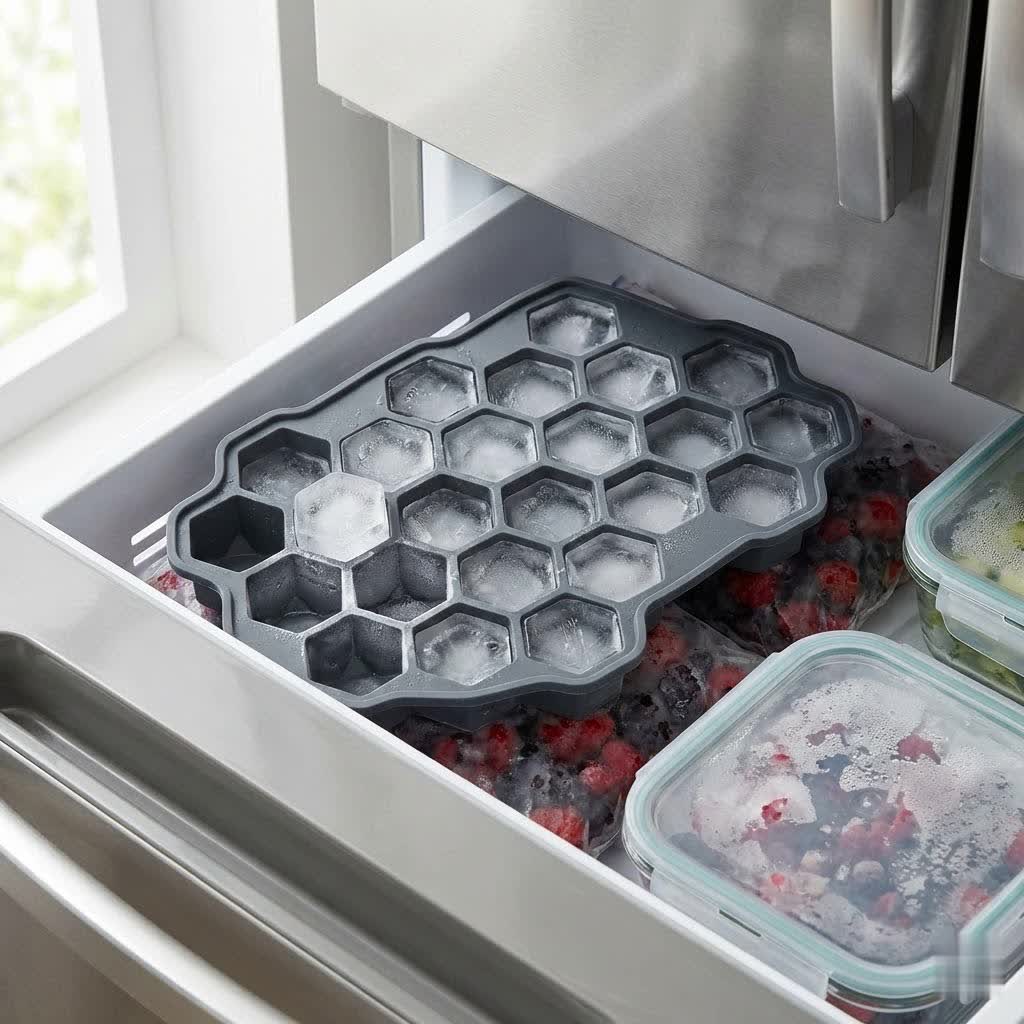
Embarking on the exciting journey of introducing solids to your baby is a significant milestone, filled with new flavors and textures. For many parents, preparing homemade baby food purees is a labor of love, offering control over ingredients and nutrition. However, the convenience of pre-made purees can’t be beaten on busy days. This is where the right ice tray for baby food becomes an indispensable tool, allowing you to batch-prepare and freeze perfectly portioned meals. This comprehensive guide will help you navigate the world of baby food ice trays, ensuring you choose the best option for safety, convenience, and your little one’s growing appetite.
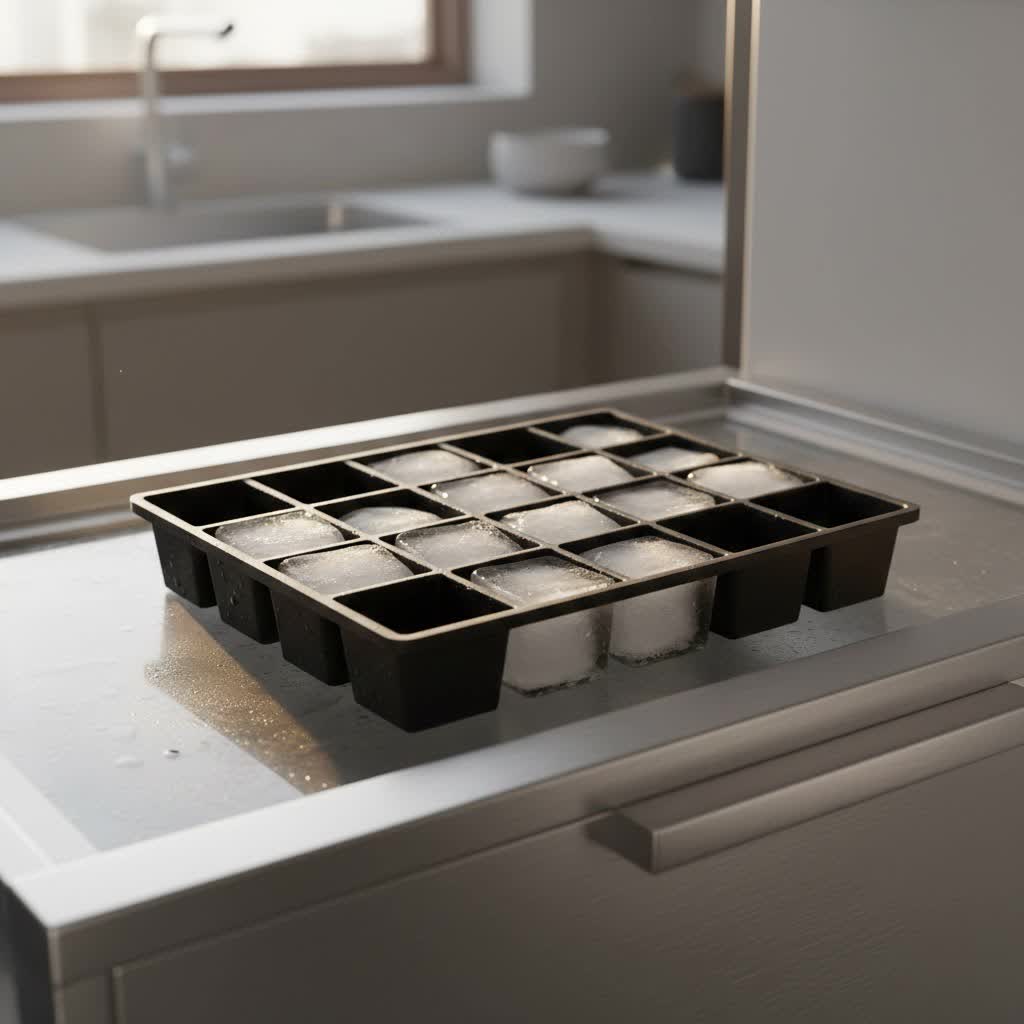
What Are Ice Trays and Why You Need Them for Baby Food?
|
Our Picks for the Best Ice tray in 2026
As an Amazon Associate I earn from qualifying purchases.
|
||
| Num | Product | Action |
|---|---|---|
| 1 | ChefAide Ice Cube Tray with Lid, 2 Packs 28 Cubes Durable Stackable Ice Cube Trays for Freezer with Removable Lids, Easy-Release Plastic & Silicone Ice Tray for Cocktail, Coffee |

|
| 2 | NFK Ice Cube Tray with Lid & Bin - 4 Pack 48 Cubes Stackable Silicone Trays for Freezer with Storage Container, Leak-Proof Lids, BPA-Free, Easy Release for Kitchen, RV, Party, Cocktail & Coffee |
|
| 3 | ChefAide Ice Cube Tray with Lid, 4 Packs 56 Cubes Durable Stackable Ice Cube Trays for Freezer with Removable Lids, Easy-Release Plastic & Silicone Ice Tray for Cocktail, Coffee |
|
| 4 | WIBIMEN Mini Ice Cube Trays, 0.55” Tiny Pebble Ice for Iced Coffee & Cocktails, Fast Chill, Easy Twist Release, Stackable with Lid & Storage Bin (2 Pack, Blue) |
|
| 5 | DOQAUS Ice Cube Tray with Lid and Bin - 4 Pack Silicone Ice Cube Trays for Freezer, Stackable Ice Bucket Kits with Storage Container & Scoop for Kitchen, RV, Cocktail, Coffee |
|
| 6 | Ice Cube Trays, Silicone Easy-Release and Flexible 14-Ice Trays with Spill-Resistant Removable Lid, BPA Free, Durable and Dishwasher Safe, 2 Pack |
|
| 7 | Optish 3 Pack Ice Trays for Freezer, 99 PCS Ice Cube Tray with Lid and Bin, Round Ice Cube Mold, Circle Ice Maker for Chilling Drinks (0.8 inch, Blue) |
|
| 8 | WIBIMEN Ice Cube Tray with Lid and Bin - Round Ice Trays for Freezer with Lid - Ice Cube Trays for Freezer with Ice Container (1"-2PACK Blue) |
|
| 9 | OXO Good Grips Ice Cube Tray - 2 Pack White |
|
| 10 | Ice Cube Tray 5 Pack, Stackable Silicone Ice Cube Trays with Lid– Easy Release Reusable Ice Tray, BPA-Free Rectangular Ice Cube Mold Set for Cocktails, Coffee, Whiskey & Drinks- Black |
|
While traditional ice trays are designed for freezing water, specialized ice trays for baby food are crafted with features that cater specifically to the needs of infant nutrition. These trays transform homemade purees, breast milk, or even broths into perfectly sized, single-serving portions that can be easily stored, thawed, and served. The primary benefit of using these trays is unparalleled convenience; imagine a freezer stocked with a variety of nutritious meals, ready to go in minutes. This approach significantly reduces food waste by allowing you to thaw only what’s needed, saves time by enabling large-batch cooking, and ensures your baby enjoys fresh, homemade goodness without daily preparation. Beyond purees, these versatile trays can also be used for freezing breast milk for later use, or even small portions of fruit for toddlers.
Popular Types of Ice Trays for Baby Food
The market offers a range of ice trays, each with distinct characteristics that influence their suitability for baby food. Understanding these differences is key to making an informed choice.
-
Silicone Ice Trays: These are a favorite among parents, primarily due to their remarkable flexibility. Made from food-grade silicone, they are generally non-toxic and free from harmful chemicals like BPA, phthalates, PVC, and lead.
- Pros: Their pliable nature makes popping out frozen portions incredibly easy, often without needing to twist or bang the tray. They are durable, long-lasting, and typically safe for use in the freezer, dishwasher, microwave, and even oven, offering great versatility beyond baby food. Many come with secure lids.
- Cons: Silicone trays can be a higher initial investment compared to plastic options. They may also absorb odors if not cleaned promptly and thoroughly after use.
-
Plastic Ice Trays: A more budget-friendly and widely available option, plastic trays can also serve the purpose of freezing baby food, provided they meet strict safety standards.
- Pros: They are lightweight and generally easy to clean. When specifically designed for baby food, they are often BPA-free and may feature innovative release mechanisms.
- Cons: Regular plastic trays can be rigid, making it challenging to extract frozen cubes without cracking the tray or leaving some food behind. They are also more prone to cracking or warping, especially if exposed to heat in a dishwasher. It is crucial to choose only those explicitly labeled as BPA-free, phthalate-free, and PVC-free to avoid chemical leaching into your baby’s food.
-
Ice Trays with Lids: Regardless of the material, a tight-fitting lid is a crucial feature for any baby food ice tray.
- Pros: Lids protect purees from absorbing freezer odors, prevent freezer burn, and keep contaminants out. They also allow for convenient stacking, maximizing freezer space and organization. Some advanced designs feature sliding covers that let you release individual portions without exposing the entire tray.
- Cons: While highly beneficial, lids can sometimes add a bit of bulk to the trays. Flimsy lids might not provide an adequate seal, negating their purpose.
-
Large vs. Small Portion Trays: Baby food trays come with varying individual cup capacities, typically ranging from 0.75 ounces to 5 ounces per portion.
- Pros: Smaller portions are ideal for introducing solids or for babies with smaller appetites, ensuring no food goes to waste. Larger portions are perfect for older babies or for freezing breast milk and larger snacks. Many trays even feature internal measurement markings for precise portion control.
- Cons: Selecting a tray with an inappropriate portion size for your baby’s current stage could lead to either food waste or the need to combine multiple cubes for a single meal.
Detailed Comparison Table of Ice Tray Types for Baby Food
| Feature | Plastic Ice Trays | Silicone Ice Trays |
|---|---|---|
| Cost | Low | Medium to High |
| Durability | Moderate (prone to cracking/warping) | High (flexible, resistant to cracking) |
| Safety | Must be BPA/Phthalate/PVC-free | Food-grade, BPA/Phthalate/PVC/Lead-free |
| Ease of Release | Can be difficult; requires twisting | Very easy; flexible material allows popping out |
| Cleaning | Easy to wash, may stain | Easy to wash, can absorb odors if not cleaned well |
| Temp. Range | Freezer, Dishwasher (some may warp) | Freezer, Dishwasher, Oven, Microwave safe |
| Lids | Often included, varying seal quality | Often included, typically provides a better seal |
| Stackability | Common with lids | Common with lids |
Guide to Choosing the Right Ice Tray for Your Baby
Selecting the perfect ice tray for your baby food requires a thoughtful approach, focusing on safety, practicality, and your family’s lifestyle.
- Assess Your Needs: Begin by considering how often you plan to make baby food and in what quantities. Do you need a few small portions for a newborn’s first tastes, or larger batches for an older, hungrier infant? Will you be freezing purees, breast milk, or other liquids?
- Prioritize Safe Materials: This is paramount for baby products. Always opt for food-grade silicone or high-quality plastic explicitly labeled as BPA-free, phthalate-free, PVC-free, and lead-free. These certifications ensure that no harmful chemicals leach into your baby’s delicate food.
- Consider Portion Sizes and Markings: Look for trays that offer portion sizes appropriate for your baby’s age and eating habits. Many silicone trays feature internal measurement lines, allowing for precise and consistent serving sizes as your baby grows.
- Look for Secure Lids: A tight-fitting lid is non-negotiable. It protects your baby’s food from freezer burn, prevents cross-contamination from other freezer items, and keeps unwanted odors at bay. Lids also enable convenient stacking, making freezer organization a breeze.
- Ease of Use and Cleaning: A flexible tray, particularly one made of silicone, will significantly ease the process of releasing frozen food cubes. Dishwasher-safe trays are a huge time-saver for busy parents, ensuring proper sanitation with minimal effort.
Tips for Using and Storing Baby Food Ice Trays
Maximizing the lifespan and effectiveness of your baby food ice trays, and ensuring the safety of your baby’s meals, involves a few simple best practices.
- Clean Before First Use and After Each Use: Always wash new trays thoroughly with warm, soapy water before their initial use to remove any manufacturing residues. After each batch, clean the trays promptly to prevent lingering food particles or odors, especially with silicone.
- Do Not Overfill: Filling each compartment to just below the brim allows for expansion during freezing, preventing the cubes from fusing together or overflowing. This also ensures the lid can seal properly.
- Use Filtered Water for Purees: If using water to thin your purees, filtered water can contribute to clearer, purer ice cubes, free from tap water impurities or tastes.
- Transfer Frozen Cubes for Long-Term Storage: Once your baby food cubes are completely frozen, typically after 4-6 hours, pop them out of the tray. Transfer these individual portions into airtight freezer bags or containers. This frees up your trays for new batches and further protects the food from freezer burn or odor absorption.
- Label and Date: Always label your storage bags or containers with the type of food and the date it was prepared. This helps you track freshness and rotate your stock effectively, ensuring your baby consumes the food within recommended storage guidelines.
- Store in a Clean Freezer: Maintain a clean and organized freezer to prevent potential contamination and keep your baby’s food fresh.
Top Picks: Ideal Ice Tray Features for Baby Food
While specific product names may change, the best ice trays for baby food consistently share certain features that ensure safety, convenience, and optimal food preservation.
- Flexible, Food-Grade Silicone Trays with Secure Lids: These are often the gold standard. Look for models with deep, rounded cups that allow for generous portions and easy removal. Many come with clip-on or snug-fitting silicone lids that offer a superior seal against freezer burn and contamination. Their multi-functional design often allows them to transition from freezing purees to baking mini muffins or making large ice cubes for adults.
- Durable, BPA-Free Plastic Trays with Innovative Release: For those who prefer plastic, top choices include sturdy, certified BPA-free plastic trays. Some designs feature unique sliding covers or flexible bases that simplify the release of frozen cubes. These often offer smaller, more precise portion sizes and are highly stackable, making them excellent for organized freezer storage.
- High-Capacity Starter Kits for Batch Freezing: Many parents appreciate multi-tray sets that allow for freezing large quantities of different purees simultaneously. These kits typically offer numerous 1-ounce portions, which are perfect for early introductions to solids and batch preparation. Look for designs that are wide and flat for efficient freezer space utilization, accompanied by tight-fitting, stackable lids.
Conclusion
Choosing the right ice tray for your baby food is a small step that can make a significant difference in your daily routine, offering immense convenience and peace of mind. By prioritizing safe, food-grade materials, opting for trays with secure lids, and considering appropriate portion sizes, you can ensure your little one enjoys nutritious, homemade meals with ease. The flexibility of silicone, the affordability of safe plastic, and the practicality of stackable, lidded designs all contribute to a smoother and more enjoyable baby-feeding journey. With the perfect ice tray, you’re not just freezing food; you’re preserving precious time and nourishing your baby with love. What delightful and nutritious purees are you excited to prepare for your little one first?
Frequently Asked Questions
Are regular ice cube trays safe for baby food?
While regular ice cube trays can freeze liquids, they are generally not ideal for baby food. They often lack secure lids, making food susceptible to freezer burn and odor absorption. Additionally, many are made from plastic that isn’t certified BPA-free, which is a crucial safety consideration for baby products.
How long can I store frozen baby food?
When properly stored in airtight containers or bags in the freezer, most frozen baby food purees are safe to consume for up to 3 months. Always label your portions with the date to keep track of freshness and ensure timely consumption.
How do I get baby food out of the tray easily?
Silicone trays are the easiest for release due to their flexible nature – simply push the bottom of the compartment. For plastic trays, you might need to run the bottom of the tray under warm water for a few seconds to slightly loosen the cubes before twisting the tray to pop them out.
Can I put hot purees directly into the tray?
It’s best to allow purees to cool down to room temperature before pouring them into ice trays and placing them in the freezer. Putting hot food directly into the freezer can raise the freezer’s temperature, potentially impacting other frozen items and making your freezer work harder.
What are the best portion sizes for baby food?
The best portion size depends on your baby’s age and appetite. For babies just starting solids (around 4-6 months), 1-ounce portions are usually sufficient. As they grow and their appetite increases, you can move to 2-ounce, 3-ounce, or even 5-ounce portions, or combine multiple smaller cubes for a single meal.