Is there anything more disappointing than a lukewarm drink on a hot day, or a perfectly crafted cocktail diluted by flimsy, fast-melting ice? While refrigerators with built-in ice makers have become common, the humble ice tray remains an indispensable tool in countless kitchens. Far from being a mere utilitarian object, today’s ice trays have evolved into sophisticated tools, offering a diverse range of materials, sizes, and designs to elevate your chilling experience. Whether you’re a home mixologist, a meal prep enthusiast, or simply someone who enjoys a perfectly chilled beverage, selecting the right ice tray in 2026 can make all the difference.
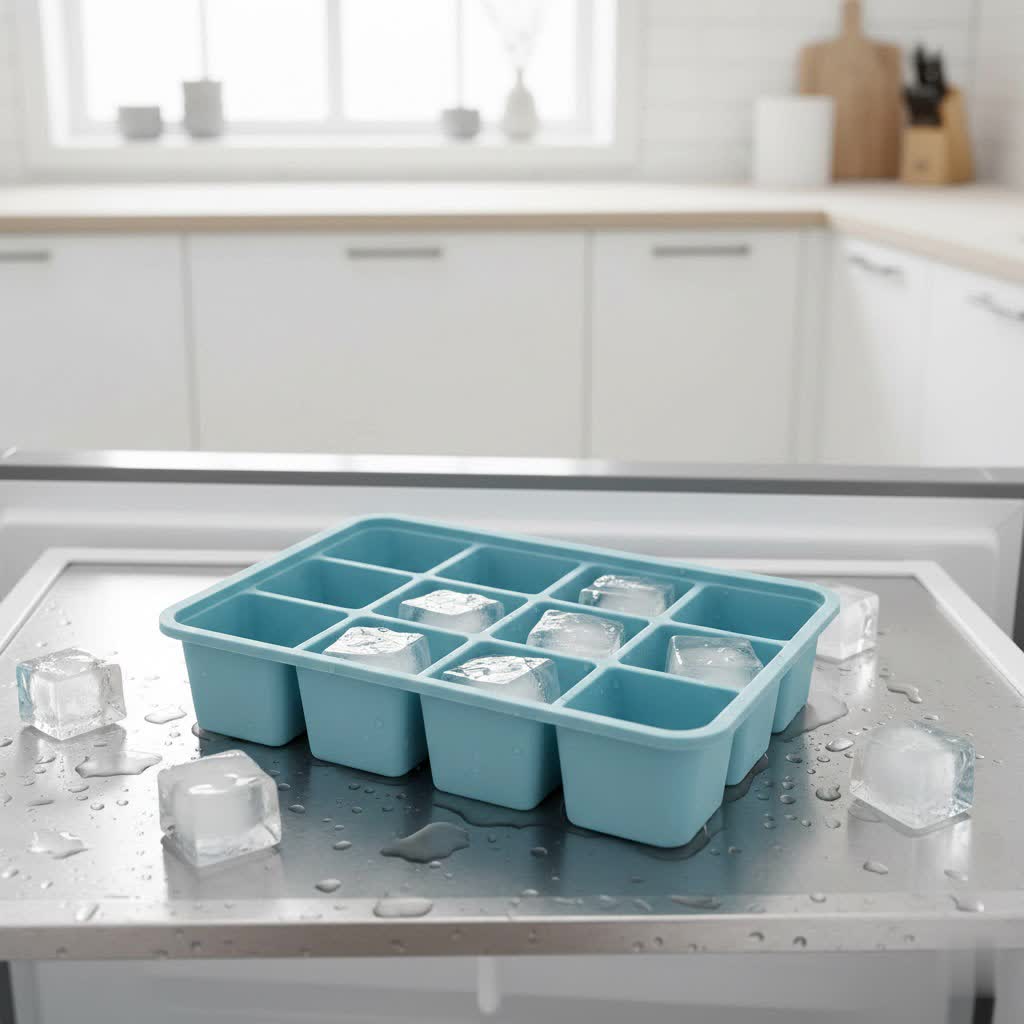
This comprehensive guide will navigate you through the world of ice trays, from understanding their fundamental importance to exploring the latest innovations and helping you choose the best options to keep your drinks, and your life, perfectly cool.
What Are Ice Trays and Why Do You Need Them?
At its core, an ice tray is a mold designed to freeze water into individual ice cubes, transforming liquid into a solid, cooling agent. While seemingly simple, these essential kitchen tools play a vital role in countless daily scenarios, ensuring your beverages are refreshing and your culinary creations are perfectly preserved.
Beyond simply chilling a glass of water, ice trays have a myriad of applications. They are indispensable for cooling cocktails, iced coffee, and sodas, providing that crisp refreshment we all crave. Their utility extends into the kitchen for food preparation, allowing you to freeze herb purees, broths, baby food portions, or even leftover coffee for iced drinks without dilution. Historically, ice trays began as simple metal or plastic molds. Over time, advancements in materials and design have led to the sophisticated, easy-release, and specialty models we see dominating the market today.
Common Types of Ice Trays on the Market
The market offers a wide array of ice tray types, each with unique characteristics catering to different preferences and needs. Understanding these variations is key to finding your perfect freezer companion.
Plastic Ice Trays
Table is empty.Plastic trays remain a staple due to their affordability and widespread availability. They are often lightweight and come in multi-packs, making them a budget-friendly option for many households. However, standard plastic can be prone to cracking over time, especially with repeated twisting for ice release. It’s crucial to opt for BPA-free plastic to ensure no harmful chemicals leach into your ice. While easy to find, some plastic trays can develop a “freezer taste” if not properly cleaned or if exposed to strong odors in the freezer compartment.
Silicone Ice Trays
Silicone ice trays have soared in popularity for their exceptional flexibility and easy-release capabilities. Made from food-grade silicone, they are non-toxic, durable, and can withstand extreme temperatures. Their pliable nature makes popping out ice cubes a breeze, minimizing mess and effort. Many silicone trays also come in fun shapes and sizes, from large spheres to miniature cubes. A potential drawback is that some users report a slight silicone taste in their ice initially, and if not thoroughly cleaned and dried, silicone can absorb odors from the freezer. They also require careful handling when full of water to prevent spills before freezing.
Stainless Steel Ice Trays
For those seeking a premium, durable, and eco-conscious option, stainless steel ice trays are an excellent choice. They are incredibly robust, naturally resistant to odors and stains, and do not leach any chemicals into your ice, ensuring a clean, pure taste. Stainless steel also tends to freeze water faster than silicone due to its superior thermal conductivity. The main considerations for stainless steel are their higher price point and the fact that some traditional designs might require a lever mechanism or a short thaw to release cubes, which might not be as effortless as silicone. They offer a luxurious feel and exceptional longevity.
Ice Trays with Lids
Many modern ice trays, regardless of material, now come equipped with lids. These covers are a game-changer for hygiene, spill prevention, and odor protection. A lid prevents freezer burn and keeps your ice from absorbing unwanted smells from other foods in the freezer, ensuring fresh-tasting cubes. Lids also enable secure stacking, optimizing freezer space, which is especially beneficial in smaller freezers. While offering convenience, some lids can be flimsy or add a bit more bulk to the tray’s profile.
Large/Small Cube and Specialty Ice Trays
The size and shape of your ice cubes dramatically impact their melting rate and aesthetic appeal.
- Large Cubes/Spheres: Ideal for whiskey, cocktails, and highball glasses, larger ice cubes melt much slower, preventing rapid dilution of your drink and keeping it colder for longer. Spherical and large square molds are particularly popular for craft beverages.
- Small Cubes/Pebble Ice: These smaller, often “nugget” or “pebble”-style cubes, are perfect for iced coffee, blended drinks, and situations where you want rapid chilling and a chewable ice experience.
- Novelty Shapes: For parties or adding a touch of whimsy, novelty trays offer ice in various shapes like stars, hearts, or even animal figures, making drinks more enjoyable, especially for children.
Detailed Comparison Table of Ice Tray Types
| Feature | Plastic Ice Trays | Silicone Ice Trays | Stainless Steel Ice Trays |
|---|---|---|---|
| Price | Low | Medium | High |
| Durability | Low (prone to cracking) | Medium (flexible, resists breaking) | High (long-lasting, robust) |
| Safety | Can contain BPA (choose BPA-free) | Safe (food-grade, non-toxic) | Safe (non-toxic, doesn’t leach) |
| Ease of Ice Release | Difficult (requires twisting) | Very Easy (flexible push-out) | Difficult (can stick, may need lever/thaw) |
| Cleaning | Easy | Easy (dishwasher safe) | Easy (dishwasher safe) |
| Temperature Resistance | Poor (can become brittle) | Excellent (-40°F to 446°F) | Excellent |
| Odor Absorption | Medium (can absorb odors) | Medium (can absorb if not cleaned) | Low (naturally resistant) |
| Freezing Speed | Medium | Slow (insulating properties) | Fast (conducts cold efficiently) |
| Stackability | Varies (better with lids) | Varies (better with lids) | Good (often sturdy design) |
Guide to Choosing the Perfect Ice Tray
Choosing the ideal ice tray involves more than just picking the first one you see. With so many options available in 2026, a thoughtful approach ensures you get the most value and satisfaction.
First, determine your primary needs and usage. Are you looking for everyday ice for water and soda, or do you need specialty cubes for entertaining and craft cocktails? Perhaps you’re freezing purees for cooking or baby food. Your intended purpose will heavily influence the best type of tray for you. For daily hydration and general use, a simple and efficient tray with a lid might suffice. For mixology, larger, slower-melting cubes are key.
Next, prioritize safe materials. Given increasing awareness of health and environmental impact, opt for food-grade silicone or high-quality stainless steel. If choosing plastic, always ensure it is explicitly labeled as BPA-free to avoid chemical contamination. These materials offer peace of mind and contribute to better-tasting ice.
Consider the size and shape of the cubes. Large cubes are excellent for spirit-forward drinks as they melt slowly, preserving the drink’s integrity. Smaller cubes or pebble ice chill beverages quickly and are great for soft drinks or blended concoctions. For water bottles or tumblers, elongated “stick” ice or large cylindrical molds can be particularly effective, fitting perfectly without excessive dilution.
Before making a final decision, always read user reviews and expert recommendations. Real-world experiences can highlight practical pros and cons that aren’t apparent from product descriptions alone, such as actual ease of release, durability issues, or how well a lid seals. This insight offers an objective perspective on performance.
Finally, compare prices and consider the long-term investment. While plastic trays are cheap upfront, their shorter lifespan might make them less economical in the long run. Silicone and stainless steel trays, though pricier initially, offer superior durability and safety, making them a worthwhile investment for years of reliable use. Look for value, not just the lowest price, and consider features like stackability and easy-release mechanisms that enhance convenience.
Tips for Using and Maintaining Ice Trays
Proper use and regular maintenance are crucial for extending the life of your ice trays and ensuring your ice is always clean, fresh, and free of odors.
Firstly, always wash your new ice trays thoroughly before their initial use. This helps remove any manufacturing residues, dust, or unwanted odors. A simple wash with warm, soapy water is usually sufficient.
When filling, avoid pouring water too full. Water expands as it freezes, and overfilling can cause cubes to merge, making them difficult to release, or even warp the tray over time. Leaving a small gap at the top of each cavity is a good practice. For the clearest, best-tasting ice, consider using filtered water instead of tap water, which can contain minerals and impurities that affect the ice’s appearance and flavor.
Regular cleaning is paramount to prevent the buildup of mineral deposits, bacteria, and absorbed freezer odors. For general cleaning, warm water and mild dish soap are adequate. For a deeper clean, especially if your ice has a lingering taste, soak the trays in a mixture of equal parts white vinegar and water for 10-15 minutes, then scrub with a soft brush and rinse thoroughly. Baking soda paste can also tackle stubborn stains or odors. Some silicone and stainless steel trays are dishwasher safe, offering convenient cleaning.
After washing, ensure your ice trays are completely dry before refilling and returning them to the freezer. Air drying in a well-ventilated area or wiping them down with a clean towel will prevent mold and mildew growth.
Finally, store your ice trays smartly. If your trays don’t have lids, consider placing them in a sealed container or a large freezer bag once the ice is frozen. This creates a barrier against airborne contaminants and helps prevent the ice from absorbing pungent smells from other frozen foods, keeping your ice cubes tasting like pure water. For silicone trays, support them with two hands when transporting them to the freezer, as their flexibility can lead to spills.
Top Picks: The Most Popular Ice Tray Models of Today
The ice tray market in 2026 boasts an impressive selection, with innovation focusing on user experience, material safety, and diverse ice shapes. Based on current trends and consistent top ratings, here are some of the most popular types of ice trays that continue to win over users:
One standout is the DOQAUS Ice Cube Tray with Easy Release. These trays often feature a clever hybrid design, combining a sturdy BPA-free plastic frame with flexible silicone bottoms, allowing for incredibly easy ice removal with a simple push. Their stackable nature, often accompanied by protective lids, makes them a practical and affordable choice for everyday use, preventing spills and freezer odors. They consistently rank high for their blend of functionality and value.
For those prioritizing pure silicone flexibility and versatile shapes, the W&P Peak Silicone Everyday Ice Tray is a perennial favorite. Crafted from high-quality, food-grade silicone, these trays are renowned for their effortless ice release and durability. They come in various sizes, including standard cubes and larger formats, often featuring a rigid frame or a protective lid that makes transport to the freezer less messy and enables stable stacking. Their clean design and safe material make them a go-to for many.
When the goal is elegant, slow-melting ice for cocktails, specialty molds like the Tovolo Sphere Ice Molds are highly sought after. These typically silicone molds produce perfectly round ice spheres that melt at a significantly slower rate than traditional cubes, minimizing dilution and enhancing the aesthetic of any drink. They are particularly favored by home bartenders and those who appreciate the art of a well-chilled beverage.
Finally, for the ultimate in durability, purity, and eco-friendliness, Onyx Stainless Steel Ice Cube Trays represent a top-tier choice. Valued for their robust construction, these trays eliminate any concern about plastic leaching or odor absorption. They often come with a classic lever design for ice release, a testament to their enduring appeal and reliability. While an investment, their longevity and the unadulterated taste of the ice they produce make them a favored pick for those seeking a premium, non-toxic kitchen upgrade.
“Modern ice trays are no longer just about freezing water; they’re about enhancing your entire beverage and culinary experience with thoughtful design and safe materials.”
Conclusion
The journey to finding the perfect ice tray in 2026 is an exciting one, driven by innovative designs and a renewed focus on material safety and user convenience. From the budget-friendly versatility of plastic-silicone hybrids to the effortless release of pure silicone and the unmatched durability of stainless steel, there’s a top-rated option for every household and every need. Remembering to consider your usage habits, prioritize safe and reliable materials, and follow simple maintenance tips will ensure your chosen ice tray serves you faithfully for years to come. So, why settle for mediocre ice when you can elevate every sip?
What type of ice tray will you choose to perfectly chill your life in 2026?
Frequently Asked Questions
How often should I clean my ice tray?
For trays used solely for water, a deep clean once a month is usually sufficient. However, if you use your ice tray for freezing broths, purees, or flavored liquids, it’s best to clean it immediately after each use to prevent residue buildup and odor absorption.
Can silicone ice trays go in the dishwasher?
Yes, most food-grade silicone ice trays are dishwasher safe. Placing them on the top rack is generally recommended. Always check the manufacturer’s instructions to be sure.
Why does my ice taste bad or like the freezer?
Ice can absorb odors from other foods in your freezer. This is often prevented by using ice trays with well-fitting lids, or by storing filled trays in a sealed bag or container. Regularly cleaning your ice tray and placing an open box of baking soda in the freezer can also help.
Are plastic ice trays safe to use?
Plastic ice trays can be safe, but it’s crucial to choose ones explicitly labeled as “BPA-free” to avoid potential chemical leaching. Silicone and stainless steel are often preferred for their inherent non-toxic properties.
What are the benefits of large ice cubes?
Large ice cubes melt significantly slower than smaller ones because they have less surface area relative to their volume. This means they chill your drink without diluting it quickly, making them ideal for whiskey, cocktails, and other beverages where flavor preservation is key.